

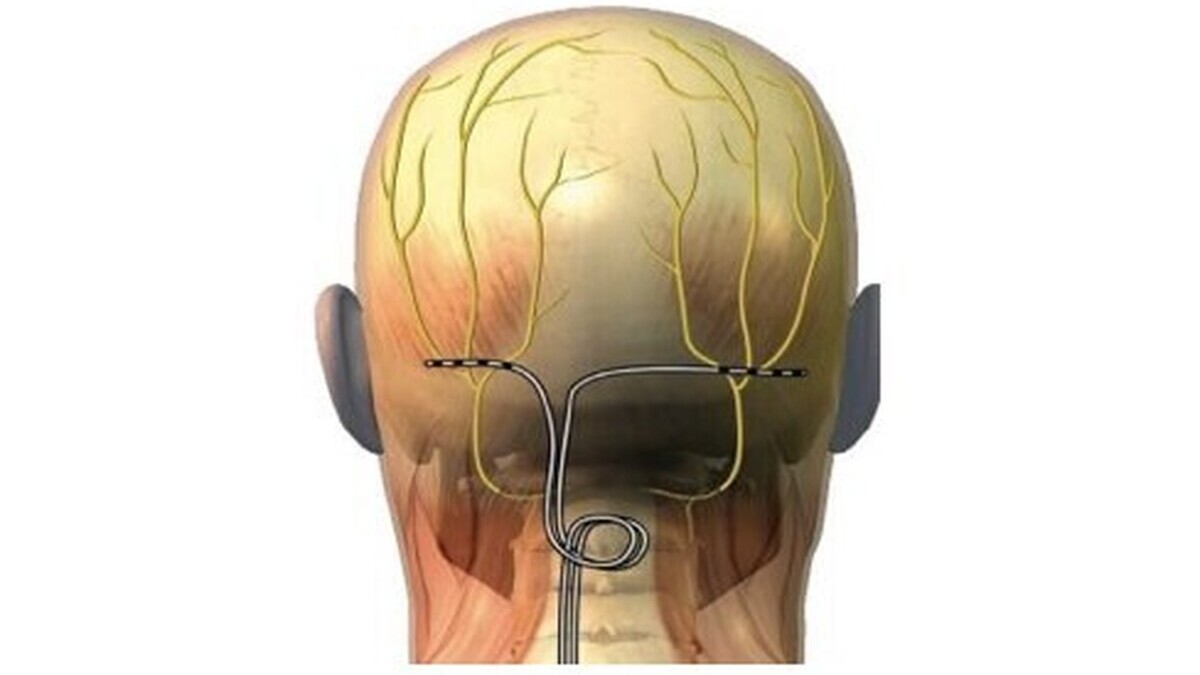
Extremely intense pain behind one eye, accompanied by watery eyes, nasal congestion, and uncontrollable restlessness: these symptoms may indicate cluster headaches. This neurological condition, sometimes confused with migraines, causes repeated attacks whose intensity is among the highest described in pain disorders. Specific treatments, however, can quickly relieve some attacks and reduce their frequency.
Cluster headaches belong to the family of trigeminal autonomic cephalalgias, neurological disorders characterized by pain along the trigeminal nerve distribution and symptoms affecting the eyes and nose. The exact mechanisms remain incompletely understood, but certain brain regions, particularly the hypothalamus, appear to play a significant role. This structure is involved in regulating biological rhythms, which could explain why attacks frequently occur at similar times. The condition affects men more often and typically begins in young adulthood, although it can appear at various ages.
Violent attacks that can wake you up in the middle of the night
The pain usually appears suddenly, around one eye, in the temple, or behind the eye socket, always on one side during an attack. It can be felt as a deep burning, unbearable pressure, or a piercing sensation. Without treatment, episodes typically last between fifteen minutes and three hours and can recur several times a day. Unlike people with migraines, who often seek quiet and darkness, patients with cluster headaches frequently feel the need to walk, move, or constantly change position because the pain is so intense.
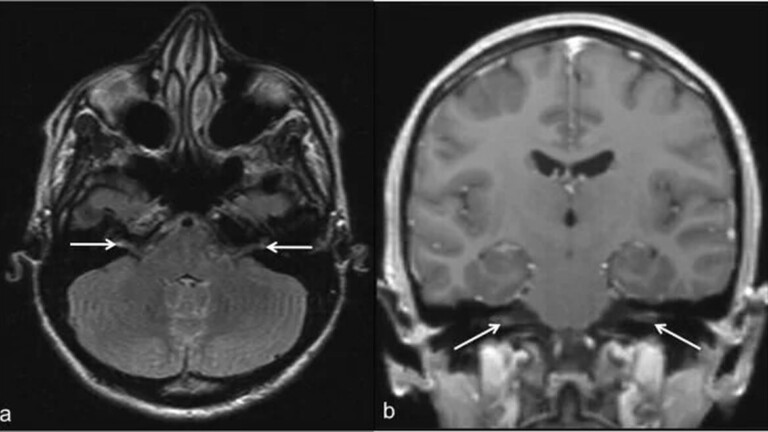
Other symptoms usually accompany attacks on the same side as the pain. The eye may become red and watery, the eyelid may swell or droop slightly, while the nose may become blocked or runny. The disease most often progresses in periods of daily attacks lasting several weeks or months, interspersed with periods of remission. However, some chronic forms present few or no prolonged periods of remission. Diagnosis is based primarily on the description of the symptoms and their pattern of occurrence. A brain MRI may be performed to rule out certain lesions that could cause similar symptoms.
Medical oxygen, a treatment capable of quickly relieving certain crises
Conventional painkillers are generally ineffective, primarily because their onset of action is too slow relative to the rapid onset of pain. One of the main treatments for acute pain involves the administration of high-flow medical oxygen, using a suitable mask and according to a doctor's prescription. This method can eliminate pain within minutes for many patients. Certain medications in the triptan family, particularly sumatriptan administered by subcutaneous injection, can also be used when their prescription is compatible with the patient's medical condition.
Preventive treatment may be offered during periods of acute attacks to reduce their frequency and intensity. Verapamil is one of the most commonly used medications for this purpose, but it requires regular cardiac monitoring. Corticosteroids may also be prescribed temporarily in certain situations, particularly while waiting for maintenance therapy to become effective. During active periods of the disease, alcohol can trigger attacks in some patients. Management must also consider the psychological and professional impact of this condition, as repeated episodes can profoundly disrupt sleep and quality of life.
Cluster headaches remain relatively rare, and not all pain around one eye is indicative of this condition. However, extremely intense attacks, recurring at similar times and accompanied by tearing or nasal congestion on one side, warrant a neurological consultation. A sudden and severe headache, a decrease in vision, or associated neurological symptoms necessitate urgent evaluation. Despite the severity of its symptoms, cluster headaches can often be better controlled with specific treatments, provided the diagnosis is correctly established.








Respond to the article
Be the first to comment on this article.