

A sudden sensation that the whole room is spinning, severe nausea, and difficulty standing: these symptoms can indicate vestibular neuritis. This condition affects the balance system located in the inner ear and can cause particularly intense vertigo. While its prognosis is generally favorable, its initial manifestations can resemble those of a stroke.
Vestibular neuritis is an acute condition affecting the vestibular nerve, which transmits information from the inner ear structures responsible for balance to the brain. When this system malfunctions suddenly and asymmetrically, the brain receives conflicting information about the body's position and movement. This results in an intense sensation of spinning, even when the person is standing still. Inflammation of the nerve is often suspected, sometimes linked to a viral mechanism, but the precise cause is not always identified. Unlike some other inner ear disorders, vestibular neuritis does not usually cause hearing loss or tinnitus.
A sudden dizziness that can prevent walking
Symptoms usually appear suddenly. The person experiences intense and continuous spinning vertigo, often accompanied by nausea, vomiting, and significant unsteadiness. Head movements worsen the sensation, to the point that some patients prefer to remain perfectly still with their eyes closed. The vertigo can last for several hours or days before gradually subsiding. However, balance problems may persist for several weeks, particularly during rapid movements or in visually complex environments. This duration distinguishes vestibular neuritis from benign paroxysmal positional vertigo (BPPV), which typically causes much shorter attacks.
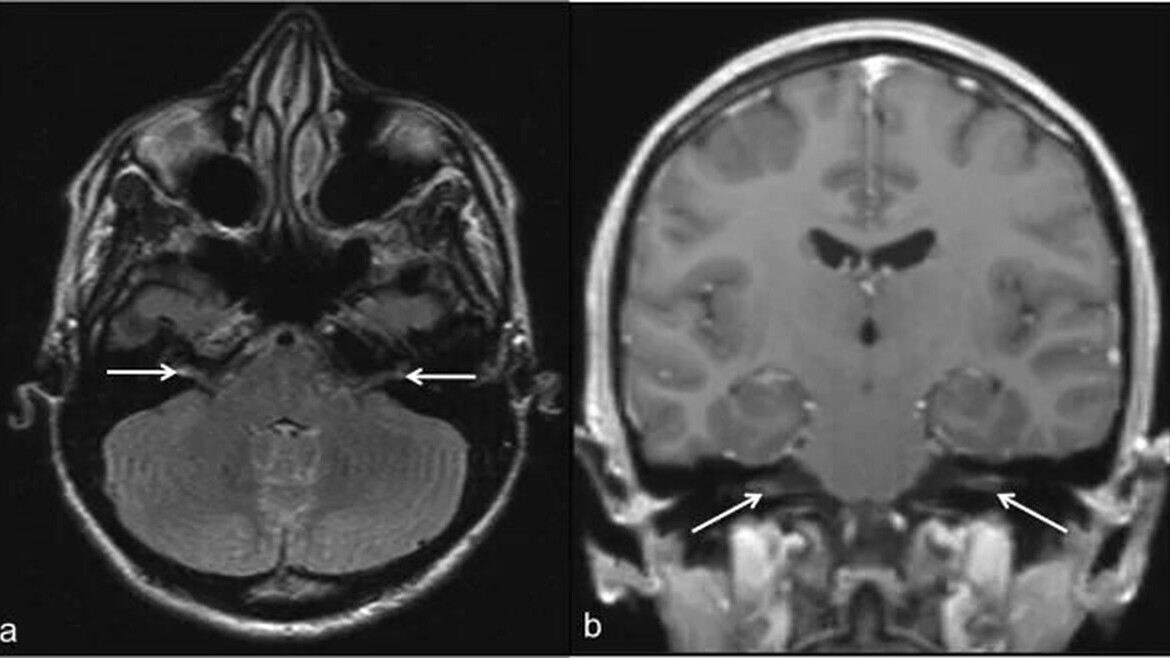
Diagnosis relies on a thorough clinical examination, including neurological and vestibular assessments. The doctor looks for involuntary eye movements called nystagmus and evaluates the reflexes that help stabilize gaze when the head moves. Specialized tests can help identify damage to the peripheral vestibular system. However, the main challenge in cases of sudden and persistent vertigo is to rule out a central neurological cause, particularly a stroke affecting the cerebellum or brainstem. The absence of arm weakness or speech difficulties is not sufficient to exclude a stroke. Therefore, brain imaging may be necessary depending on the circumstances and the results of the examination.
Recovery facilitated by vestibular rehabilitation
Treatment initially aims to alleviate the most debilitating symptoms, particularly nausea and vomiting. Anti-vertigo or antiemetic medications may be used for a short period, but prolonged use can slow down certain compensatory mechanisms in the brain. The benefit of corticosteroids remains debated, and their prescription depends on the clinical context. Once the acute phase has passed, progressive mobilization and vestibular rehabilitation play a crucial role. These exercises allow the brain to adapt to the now asymmetrical information coming from the two inner ears.
Recovery is often gradual. In some patients, vertigo disappears within a few days and balance returns within a few weeks. Others retain a feeling of instability, particularly in crowded places, during rapid movement, or in the dark. Appropriate rehabilitation can then improve symptoms and reduce the risk of persistent problems. In some cases, chronic vertigo may develop, requiring more prolonged treatment. The outcome depends in particular on the severity of the vestibular impairment and the nervous system's ability to compensate for the deficit.
Sudden vertigo should never be automatically attributed to a benign inner ear problem. Sudden difficulty walking, vision problems, muscle weakness, changes in speech, or an unusual headache require urgent evaluation. Even without these signs, a first episode of intense and persistent vertigo warrants prompt consultation to rule out a stroke. When vestibular neuritis is confirmed, recovery is generally favorable, but rehabilitation often plays a crucial role in regaining satisfactory balance.







Respond to the article
Be the first to comment on this article.