

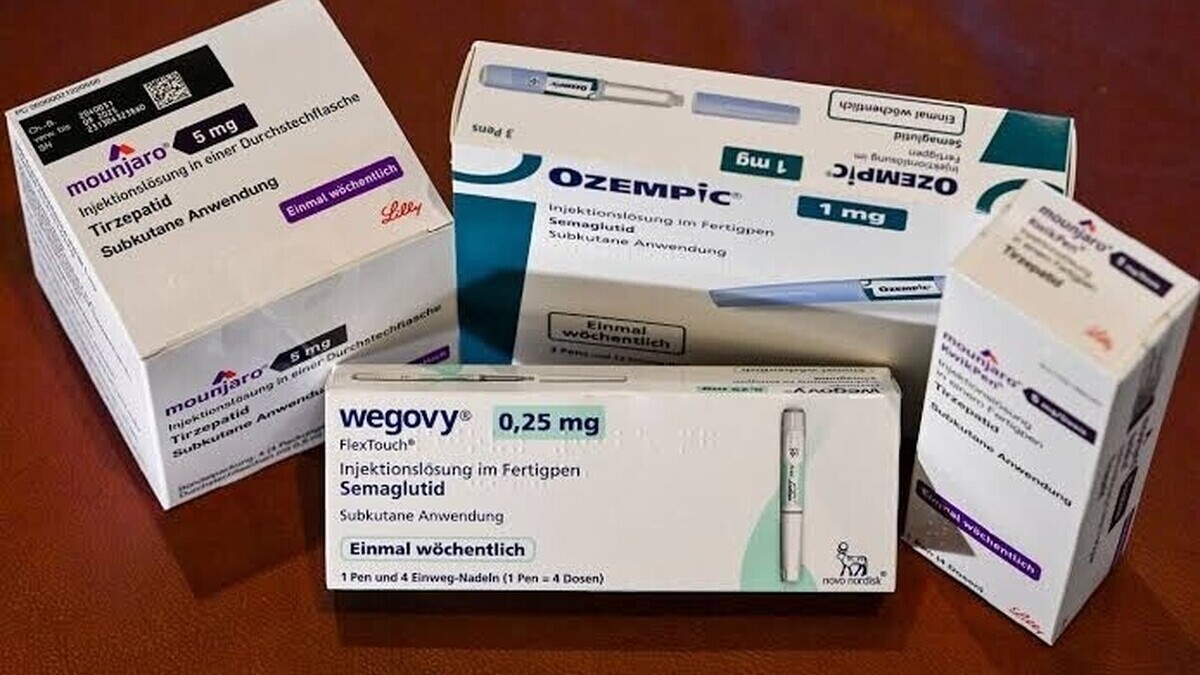
A new study reveals that the widespread use of GLP-1-based treatments, such as Ozempic or Wegovy, could profoundly transform the global food system and significantly reduce the cultivated land needed on a planetary scale.
GLP-1 appetite suppressants are already known for their effects on weight loss. However, their potential consequences for the environment and global agriculture are much less documented. This is precisely what a team of researchers has just explored using computer simulations, with results that extend far beyond the medical field.
The initial reasoning is simple: the global food system is driven by demand. The less people eat, the less producers produce, which affects prices, trade, and the amount of agricultural land used. By modeling different scenarios for the adoption of these treatments, researchers have estimated that their widespread use in obese adults could, by 2050, free up to 32 million hectares of agricultural land—an area slightly larger than Italy.
The most optimistic projections concern global access to these medications, not just their distribution in high-income countries. In this scenario, reducing calorie intake worldwide could prevent up to 6,6 million deaths per year by mid-century related to obesity-related illnesses.
These newly available lands could be allocated to other uses: reforestation, biodiversity preservation, or conversion to less intensive farming. The study thus highlights that the impact of these treatments extends beyond the individual sphere to potentially affect the organization of agriculture on a global scale.








Respond to the article
Be the first to comment on this article.