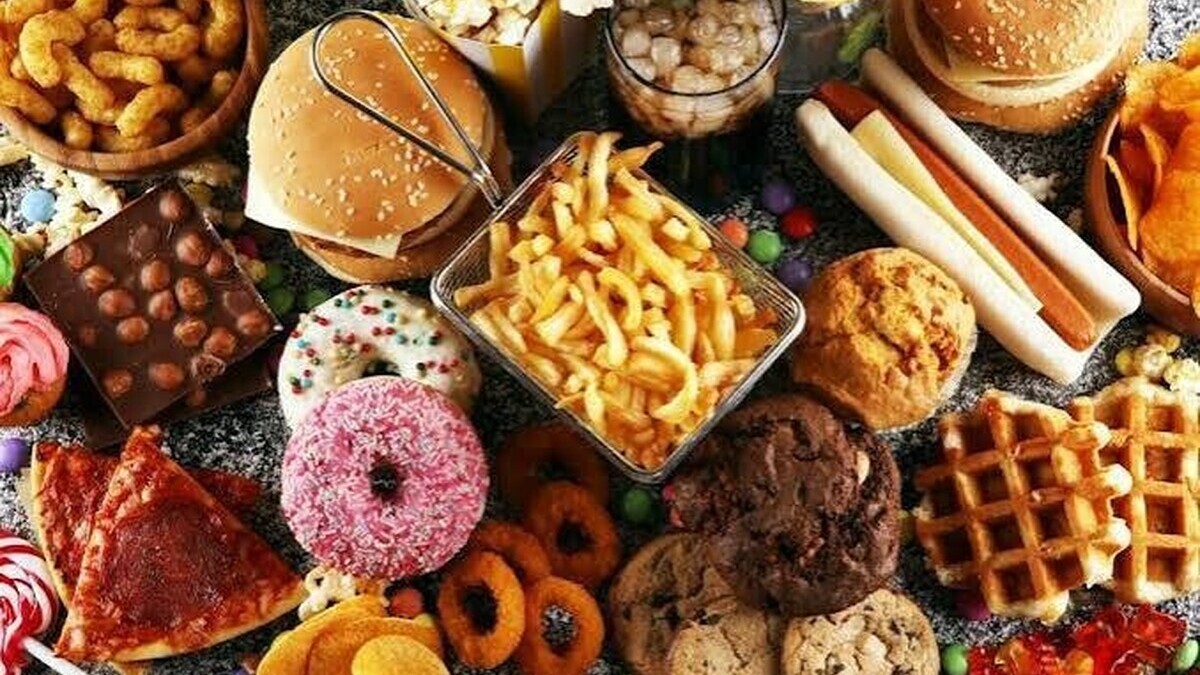
Industrial cookies, sugary drinks, ready-made meals, and certain breakfast cereals play a significant role in contemporary eating habits. Many of these products fall into the category of ultra-processed foods, characterized by complex industrial processes and the use of ingredients or additives rarely found in home cooking. Their popularity stems from several factors: ease of storage, speed of preparation, availability, and often a very appealing taste. However, their high consumption is raising increasing concerns among researchers and healthcare professionals. Several observational studies have highlighted associations between a diet rich in ultra-processed foods and various health problems, although all the underlying mechanisms have not yet been definitively established.
The concept of ultra-processed food is not the same as simple food processing. Plain yogurt, traditional bread, or frozen vegetables can undergo manufacturing processes while still retaining a valuable nutritional profile. Conversely, some ultra-processed products contain significant amounts of sugar, salt, or fat, while providing relatively little fiber. Their texture and presentation can also encourage rapid consumption. The NOVA classification , used in numerous studies, distinguishes foods according to their degree of processing. However, it is the subject of scientific debate, particularly because products within the same category can have very different nutritional compositions.
How to make better choices about your food on a daily basis?
Nutritional recommendations generally favor a varied diet rich in fruits, vegetables, legumes, whole grains, and minimally processed foods. For consumers, reading labels is a useful first step. The ingredient list, along with sugar, salt, and fiber content, provides a better understanding of a product's composition. The Nutri-Score, when present, offers additional information about its nutritional quality but doesn't directly indicate its degree of processing. It's therefore preferable to consider several criteria rather than assuming a food is necessarily bad simply because it's processed.
Reducing the amount of ultra-processed foods you consume doesn't mean you have to cook every meal from scratch or give up all convenient options. Canned vegetables, frozen plain vegetables, eggs, and canned legumes can make preparing balanced meals easier. Price, available time, and living conditions strongly influence food choices, making it difficult to apply recommendations uniformly. Researchers are continuing their work to distinguish the effects of nutritional composition from those of industrial processes. While awaiting more precise results, diversifying your diet and limiting foods high in sugar, salt, or saturated fats remains a sensible approach to maintaining good health.