Tingling in the feet, muscle weakness that gradually spreads up the legs and sometimes to the arms: these symptoms can indicate Guillain-Barré syndrome. This rare neurological disorder often occurs after an infection and can lead to rapid paralysis. In its most severe forms, it affects the respiratory muscles and requires emergency hospitalization.
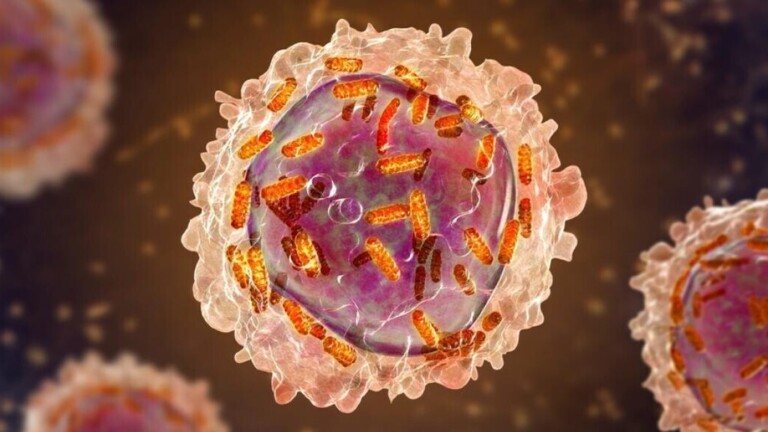
Guillain-Barré syndrome is an acute inflammatory disease of the peripheral nervous system, that is, the nerves that connect the brain and spinal cord to the rest of the body. It occurs when the immune system, normally responsible for fighting infections, mistakenly attacks certain nerve structures. This reaction can damage the myelin sheath that protects nerve fibers or, in some cases, the fibers themselves. The syndrome frequently occurs in the weeks following a respiratory or gastrointestinal infection. Certain bacteria, notably Campylobacter jejuni , as well as several viruses, can be involved in triggering this immune response.
Muscle weakness that can progress rapidly
The first symptoms often include tingling, numbness, or pain in the feet and hands. Muscle weakness then develops, usually in the legs, and may gradually spread to the arms and face. Patients may experience difficulty climbing stairs, rising from a chair, or walking normally. Unlike many chronic neurological conditions, the progression can be particularly rapid, sometimes within a few days. Tendon reflexes are often diminished or absent on neurological examination.
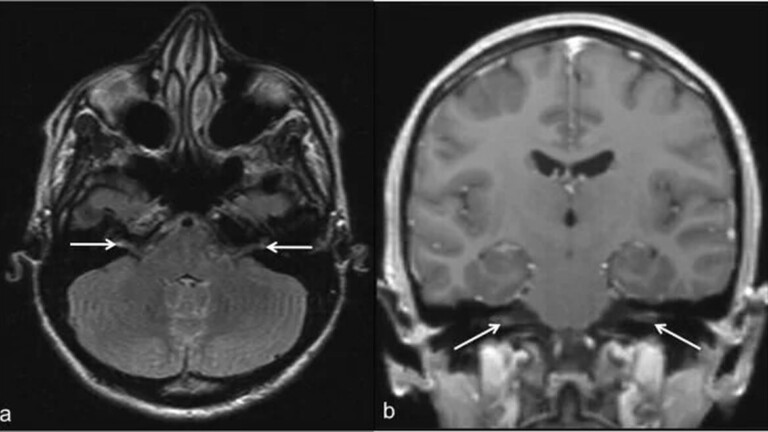
The main complication involves damage to the muscles necessary for breathing. When weakness becomes significant, respiratory support may be required, justifying close hospital monitoring. The syndrome can also disrupt the autonomic nervous system, which is responsible for regulating heart rate and blood pressure. Significant fluctuations in blood pressure or arrhythmias may then occur. Diagnosis is based on a neurological examination, supplemented, depending on the situation, by a lumbar puncture and electrophysiological tests to study nerve function.
Treatments to limit the immune attack
Treatment primarily relies on two approaches designed to reduce the effects of the immune response: intravenous immunoglobulin administration or plasma exchange. These treatments can accelerate recovery and limit the severity of the illness when used appropriately. However, they do not instantly repair nerves that have already been damaged. Management also includes preventing complications related to immobilization, controlling pain, and, when necessary, providing respiratory support in intensive care.
Recovery can be lengthy and sometimes requires several months of rehabilitation. Many patients regain significant independence, but some experience persistent muscle weakness, neuropathic pain, or fatigue. The prognosis depends in particular on the severity of the initial condition, the patient's age, and the promptness of treatment. In a minority of cases, significant long-term effects may persist. Guillain-Barré syndrome therefore remains a potentially serious illness despite advances in its treatment.
Isolated tingling in the feet does not necessarily mean that a person has Guillain-Barré syndrome. However, recent muscle weakness that worsens rapidly, especially when it affects both legs and progresses upwards, requires urgent medical evaluation. Difficulty breathing, swallowing, or walking are particularly concerning signs. The speed of progression makes all the difference: recognizing the symptoms allows for intervention before neurological or respiratory complications become severe.