A hand that loses strength, unusual difficulty walking, or a voice that gradually changes: the first signs of ALS (Lou Gehrig's disease) may seem insignificant. However, this serious neurological condition progressively destroys the nerve cells that control the muscles. While treatments remain limited, advances in research are opening new avenues, particularly for certain genetic forms.
Amyotrophic lateral sclerosis, or ALS, more commonly known as Lou Gehrig's disease, is a neurodegenerative disease that affects motor neurons, the nerve cells responsible for transmitting commands from the brain to voluntary muscles. Their progressive loss leads to muscle weakness and then paralysis, which spreads over time. The disease most often appears in adulthood, generally between the ages of 50 and 70, but can also affect younger people. The majority of cases occur without a known family history of the disease, while a minority are associated with inherited genetic mutations.
Muscle weakness that gradually spreads
The initial symptoms vary from patient to patient. In some, the disease begins with weakness in a hand, difficulty grasping objects, or trouble walking. In others, it first manifests as speech or swallowing difficulties. Involuntary muscle contractions, called fasciculations, may also appear, accompanied by progressive muscle wasting. However, these symptoms are not specific: isolated fasciculations, in particular, are common and do not necessarily mean that a person has ALS. It is primarily the combination of objective muscle weakness and its progressive worsening that leads to the investigation of a neurological disease.
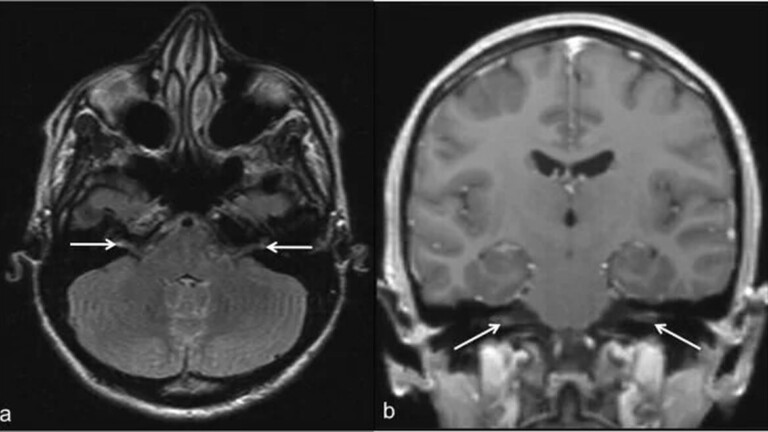
Diagnosis is particularly complex, as there is no single test that can immediately confirm the disease. The neurologist looks for characteristic signs of motor neuron damage and notably uses electromyography (EMG), which studies the electrical activity of muscles and nerves. An MRI and various blood tests may also be performed to rule out other diseases that could cause similar symptoms. According to Inserm, the average time to diagnosis remains around seventeen months, highlighting the difficulty in identifying some early-stage forms.
A disease that is still incurable, but promising therapeutic avenues are being explored.
Charcot's disease progresses gradually and can eventually affect the muscles necessary for breathing, speech, and swallowing. Its prognosis remains poor, although the rate of progression varies considerably from person to person. Management relies on a multidisciplinary team including neurologists, physiotherapists, speech therapists, and specialists in nutrition or respiratory care. Treatments such as riluzole can modestly slow the progression of the disease, while non-invasive ventilation and nutritional support can help manage certain complications.
Research has nevertheless taken a significant step forward with the development of tofersen, a treatment for a rare genetic form of ALS linked to a mutation in the SOD1 gene. This therapy targets the production of a protein involved in neuronal degeneration. Initial long-term follow-up data suggest a slowing of the disease in some patients, although this treatment is only effective for a small minority of patients and its efficacy is still being evaluated. Other genetic approaches are currently being investigated, particularly for forms linked to the FUS gene, in the hope of more precisely targeting the mechanisms responsible for the destruction of motor neurons.
Charcot's disease remains one of the major challenges in modern neurology. Transient muscle weakness or a few involuntary contractions should obviously not cause undue concern. However, persistent and progressive loss of strength, increasing difficulty speaking or swallowing, or unexplained muscle wasting warrants a neurological consultation. The goal is to establish a diagnosis as early as possible, rule out treatable diseases, and ensure that affected patients receive prompt access to specialized care.