

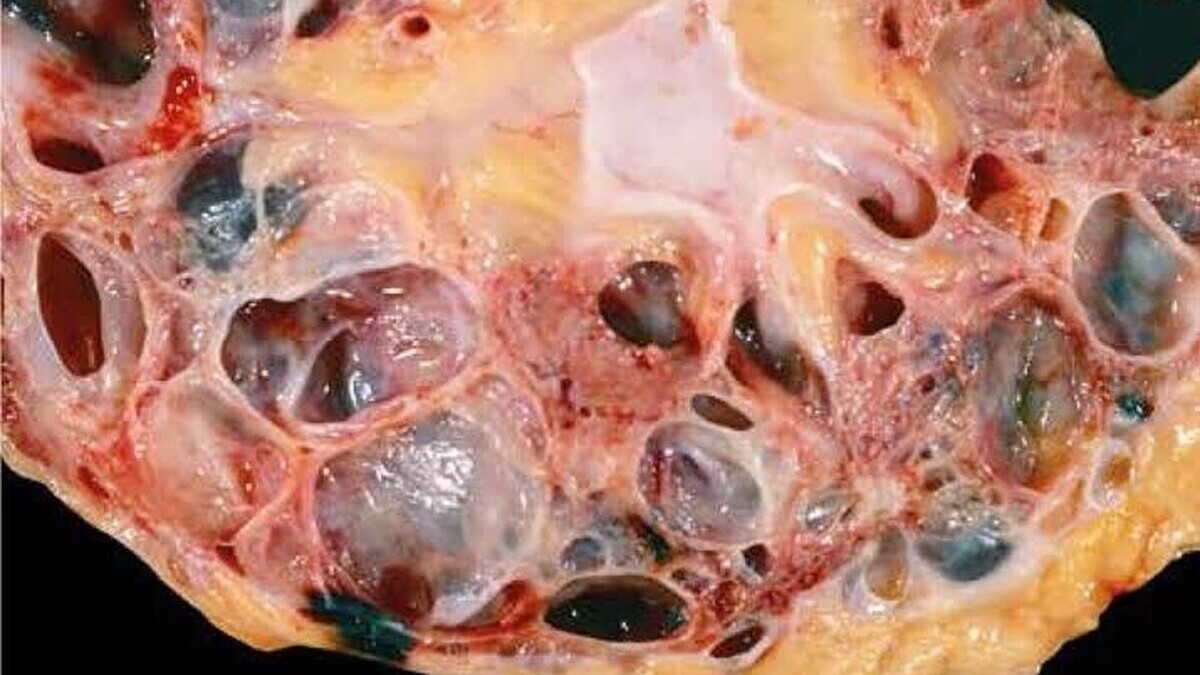
High blood pressure, back pain, blood in the urine, or abdominal distension: these symptoms can sometimes indicate polycystic kidney disease. This genetic disorder is characterized by the progressive formation of numerous cysts in the kidneys. Often asymptomatic for a long time, it can lead to chronic kidney failure requiring, in its most advanced forms, dialysis or a kidney transplant.
Autosomal dominant polycystic kidney disease (ADPKD) is one of the most common inherited kidney diseases. It is primarily caused by abnormalities in the PKD1 and PKD2 genes, which play a role in kidney cell function. These abnormalities promote the formation of fluid-filled cavities called cysts, which gradually increase in size and can compress surrounding tissues. Over time, the kidneys can become significantly enlarged and lose some of their ability to filter blood. When a parent has this form of ADPKD, each child typically has a 50% chance of inheriting the genetic abnormality.
A disease that can remain silent for several decades
The first symptoms often appear in adulthood, although the cysts can begin to develop much earlier. High blood pressure is frequently one of the first signs, sometimes even before kidney function is impaired. Lower back or abdominal pain may occur as the kidneys enlarge. Some patients also experience episodes of blood in the urine, particularly when a cyst bleeds, as well as kidney stones or urinary tract infections. In advanced stages, the enlargement of the kidneys and sometimes the liver can cause a feeling of abdominal bloating and disrupt digestion.
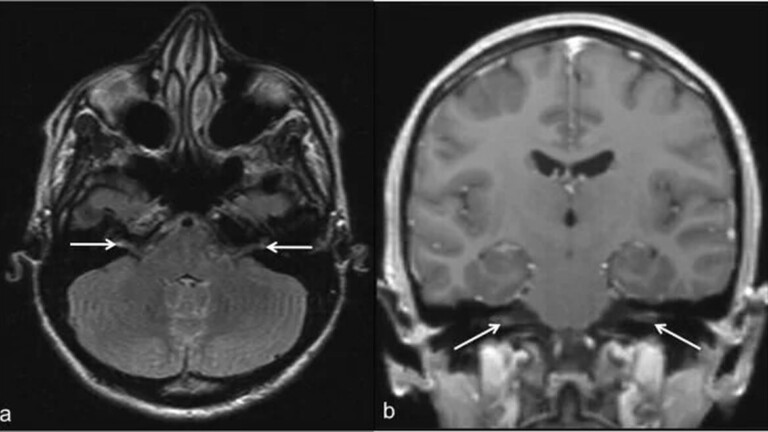
The disease does not exclusively affect the kidneys. Cysts can also develop in the liver, generally without directly impairing its function. Affected individuals also have an increased risk of intracranial aneurysm, although this complication occurs in only a minority of patients. Diagnosis is primarily based on renal ultrasound, which allows visualization of the cysts, as well as on family history. An MRI or genetic testing may be recommended when the diagnosis remains uncertain or to determine the risk of progression. Blood and urine tests are also used to assess kidney function.
Treatments to delay kidney failure
Currently, there is no treatment that can completely eliminate all kidney cysts. Management primarily focuses on slowing kidney damage and preventing complications. Blood pressure control is essential, particularly through appropriate medications and reducing excessive salt intake. In some adults at risk of rapid progression, a medication called tolvaptan may be prescribed to slow the increase in kidney size and the decline in kidney function. However, this treatment requires close monitoring of the liver and can cause a significant increase in urine volume.
The progression of the disease varies considerably from patient to patient. Some people maintain satisfactory kidney function well into old age, while others develop severe kidney failure earlier. When the kidneys can no longer perform their function properly, dialysis or a kidney transplant may become necessary. Nephrological monitoring also allows for adjustments to treatments, prevention of certain cardiovascular complications, and assessment of the benefits of screening for cerebral aneurysms in patients with specific risk factors.
The discovery of a single renal cyst does not necessarily mean that a person has polycystic kidney disease. Simple cysts are common, especially with age, and are generally benign. However, the presence of numerous cysts in both kidneys, particularly when accompanied by a family history or early-onset hypertension, warrants specialist evaluation. Identifying the disease before the onset of significant kidney failure allows for appropriate monitoring and the implementation of measures that can help preserve kidney function in the long term.







Respond to the article
Be the first to comment on this article.