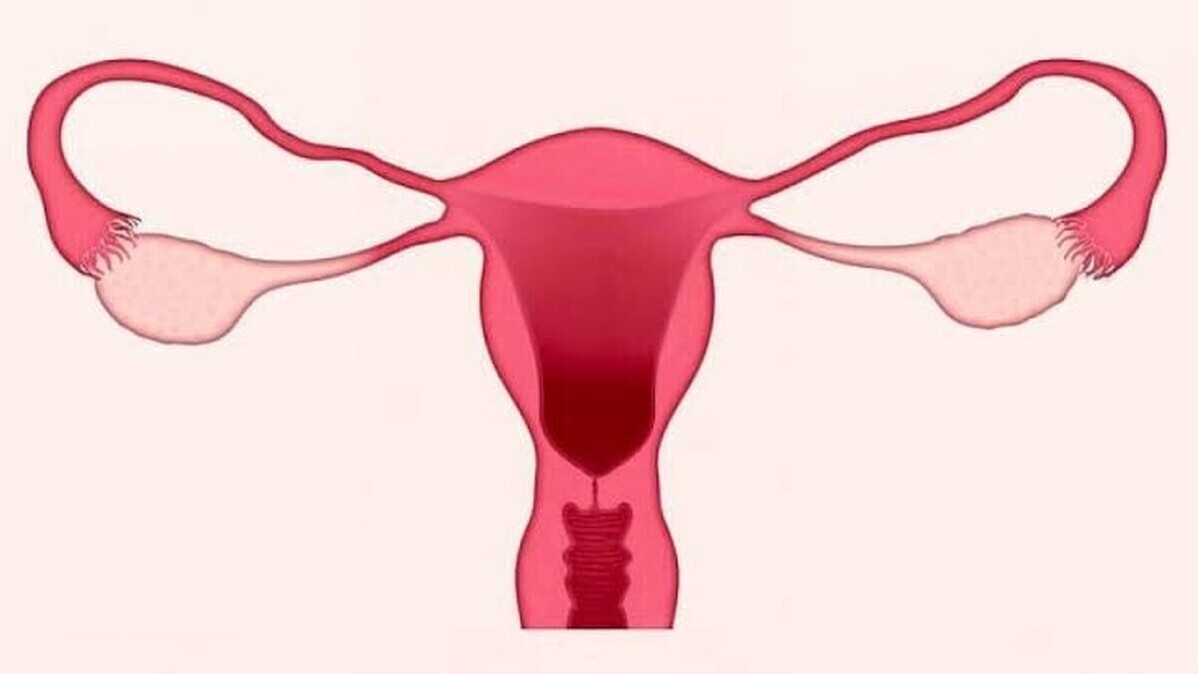
Irregular periods, persistent acne, excessive hair growth, or difficulty conceiving: these symptoms can indicate polycystic ovary syndrome, more commonly known as PCOS. This frequent hormonal condition affects women of reproductive age and can also be accompanied by metabolic disorders, including insulin resistance.
Polycystic ovary syndrome (PCOS) is an endocrine disorder characterized by disrupted ovarian function and certain hormonal mechanisms. It can notably lead to an overproduction of androgens, hormones naturally present in women, but whose concentrations or effects may be increased in this condition. PCOS is also frequently associated with insulin resistance, which can contribute to certain metabolic abnormalities. Contrary to what its name suggests, these are not necessarily true ovarian cysts: the images seen on ultrasound often correspond to numerous small follicles whose development is disrupted.
Irregular periods and sometimes very different symptoms
One of the most common signs is irregular menstrual cycles. Some women experience very infrequent periods, while others may go several months without menstruation. This often indicates ovulation disorders, which can complicate conception. Excess androgens can also cause persistent acne, increased facial or body hair, and androgenetic alopecia. However, the manifestations remain highly variable: some patients experience several significant symptoms, while others discover their PCOS during an evaluation for difficulty conceiving.
Diagnosis is based on symptom analysis, a medical examination, and various additional tests. In adults, it is generally established when several characteristic criteria are met, including ovulation disorders, signs of androgen excess, or a particular ovarian morphology, after ruling out other hormonal diseases. An ultrasound is therefore not always necessary, and its interpretation must take age into account. Blood tests, in particular, can help identify other causes of menstrual irregularities and assess certain metabolic parameters, such as blood glucose and blood lipids.
Treatments tailored to the symptoms and the desire for pregnancy
There is no single treatment that can permanently eliminate PCOS, but several approaches can improve symptoms and prevent certain complications. When a patient does not wish to become pregnant, hormonal contraception can help regulate bleeding and control certain androgen-related symptoms. Specific treatments may be offered for acne or excessive hair growth. When pregnancy is desired, medications to stimulate ovulation can be used under medical supervision. Therefore, management largely depends on each patient's symptoms, metabolic profile, and goals.
PCOS is not just about fertility. Women with PCOS more frequently experience insulin resistance and may have an increased risk of type 2 diabetes, lipid disorders, or other metabolic complications. Being overweight can worsen some symptoms, but it would be wrong to assume that all women with PCOS are obese. Regular physical activity, a balanced diet, and, when indicated, weight loss can help improve certain hormonal and metabolic parameters. Medical monitoring also helps to track the effects of highly irregular cycles on the endometrium.
Polycystic ovary syndrome (PCOS) remains poorly understood, particularly because it doesn't manifest in the same way in all patients. Irregular periods or persistent acne obviously don't automatically mean a woman has PCOS. However, their combination with unusual hair growth, ovulation problems, or difficulty conceiving warrants a consultation. A proper diagnosis allows not only for the treatment of symptoms but also for anticipating the potential metabolic consequences of this chronic condition.