Burning pain in the hands and feet, decreased sweating, small skin lesions, or recurring digestive problems: these symptoms can sometimes indicate Fabry disease. This rare genetic disorder leads to the progressive accumulation of certain fatty substances in cells and can cause, in the long term, complications affecting the kidneys, heart, and brain.
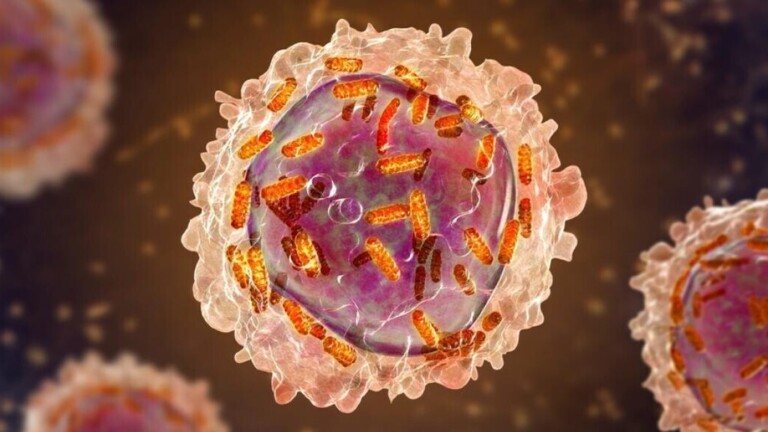
Fabry disease belongs to the family of lysosomal storage disorders. It is caused by abnormalities in the GLA gene, which is responsible for producing an enzyme called alpha-galactosidase A. This enzyme normally breaks down certain lipid molecules in cells. When it malfunctions, substances such as globotriaosylceramide gradually accumulate in various tissues, including blood vessels, kidney cells, and heart muscle. The disease is X-linked: males carrying the mutation may experience severe forms, but females can also develop significant symptoms, which are sometimes long underestimated.
Pain in the extremities from childhood
The first symptoms may appear during childhood or adolescence. Some patients experience burning pain in the hands and feet, called acroparesthesia, which may be aggravated by heat, physical exertion, or fever. Reduced sweating, poor tolerance to high temperatures, and abdominal pain accompanied by diarrhea may also occur. Small, dark red skin lesions, called angiokeratomas, sometimes appear on certain parts of the body. An eye examination may also reveal characteristic deposits on the cornea, which generally do not significantly affect vision.
Over the years, the accumulation of lipid substances can lead to more significant organ damage. The kidneys may gradually lose their ability to filter blood properly, resulting in abnormal protein levels in the urine and, in some cases, kidney failure. The heart may develop thickening of its walls, rhythm disturbances, or heart failure. Neurological complications, including strokes, can also occur. Diagnosis relies on measuring enzyme activity, which is particularly informative in men, and on genetic analysis of the GLA gene. In women, genetic analysis is essential because enzyme activity may remain within normal limits despite the presence of the disease.
Specific treatments to slow down the damage
Treatment focuses on limiting the accumulation of substances responsible for the lesions. Enzyme replacement therapy involves administering a functional version of the deficient enzyme to reduce cellular overload. Some patients with specific genetic mutations may also benefit from an oral treatment called migalastat, which stabilizes certain forms of the enzyme and improves their function. These treatments do not always eliminate existing lesions, but they can help slow the progression of the disease, particularly when initiated before the onset of significant complications.
Medical follow-up must be multidisciplinary and tailored to the affected organs. Regular monitoring of kidney, heart, and nervous system function allows for the early detection of complications. Additional treatments may be necessary to control blood pressure, protect the kidneys, or treat neuropathic pain. Family screening also plays a crucial role, as identifying a genetic abnormality in one patient can lead to the diagnosis of other family members before the onset of severe symptoms. The expression of the disease remains highly variable, even within the same family.
Fabry disease remains rare, and pain in the hands or feet obviously has many more common causes. However, its association with poor heat tolerance, unexplained digestive problems, or kidney and heart abnormalities in a relatively young person may prompt investigation for this condition. Early diagnosis is crucial, as available treatments are generally more effective when started before irreversible damage develops. This disease illustrates the importance of recognizing seemingly unrelated symptoms that may, in fact, stem from the same genetic disorder.