

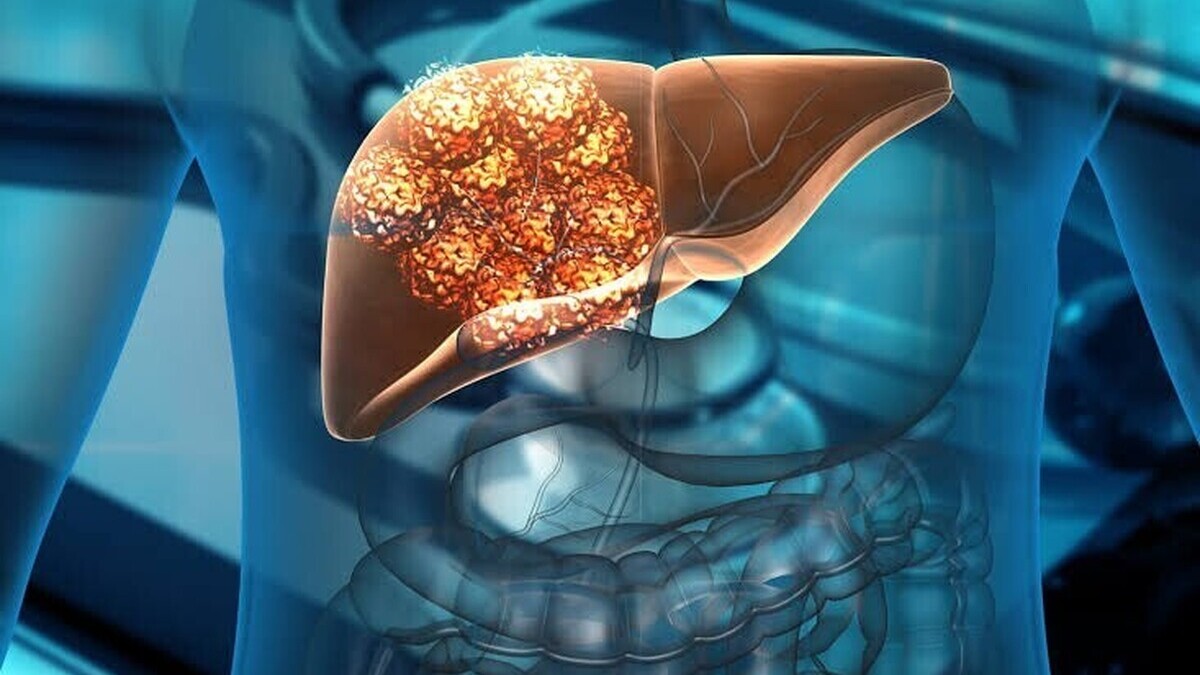
Persistent fatigue, unexplained weight loss, pain in the upper right abdomen, or yellowing of the skin: these symptoms can sometimes indicate liver cancer. This disease frequently develops in a liver already weakened by cirrhosis or a chronic infection. Diagnosis can be delayed, as the early stages often cause no particular symptoms.
Primary liver cancer develops directly from the cells of the liver, unlike liver metastases, which originate from cancers elsewhere in the body. Its most common form is hepatocellular carcinoma, which accounts for the majority of primary liver cancers. It often occurs in people with chronic liver disease, including cirrhosis due to excessive alcohol consumption, viral hepatitis B or C, or certain metabolic liver diseases. Hepatitis B can also contribute to liver cancer even in the absence of cirrhosis. Obesity, diabetes, and some forms of metabolic steatohepatitis also increase the risk.
Symptoms that often appear late
In its early stages, liver cancer can develop without causing pain or any noticeable changes in general health. When symptoms do appear, they are often nonspecific: significant fatigue, loss of appetite, weight loss, or discomfort in the upper right abdomen. Some people experience a feeling of heaviness under the ribs or abdominal distension. In more advanced stages, jaundice, characterized by yellowing of the skin and whites of the eyes, may develop. Fluid accumulation in the abdomen, called ascites, or a rapid worsening of known cirrhosis may also prompt investigation for a tumor.
Diagnosis relies on liver imaging, including ultrasound, CT scan, or MRI. In some individuals with cirrhosis, very specific radiological features can allow for the diagnosis of hepatocellular carcinoma without a biopsy. In other cases, a tissue sample is necessary to confirm the nature of the lesion. Blood tests for alpha-fetoprotein can provide additional information, but they are not sufficient on their own to confirm or rule out cancer. In patients at high risk, particularly those with cirrhosis, regular ultrasound monitoring is generally recommended to detect potential tumors before the onset of symptoms.
Treatments that also depend on the condition of the liver
The unique aspect of liver cancer is that doctors must consider two elements: the tumor itself and the function of the surrounding liver. When cancer is discovered at an early stage, surgery can sometimes remove the affected portion. A liver transplant may also be considered for certain patients who meet specific criteria, with the advantage of treating both the tumor and the underlying liver disease. Local ablation techniques, such as radiofrequency or microwave ablation, may be offered for some small lesions.
When the disease cannot be treated by surgery or local ablation, other approaches exist. Treatments performed directly into the arteries of the liver, such as chemoembolization, can control certain tumors. For advanced forms, advances in immunotherapy and targeted therapies have expanded treatment options. The choice depends on the extent of the cancer, the patient's overall health, and liver function. Prevention remains essential, particularly through vaccination against hepatitis B, treatment of viral hepatitis, reduction of alcohol consumption, and management of metabolic diseases.
Liver cancer serves as a reminder of the importance of monitoring chronic liver diseases before symptoms appear. Isolated fatigue or abdominal pain obviously does not mean a person has a tumor. However, unexplained weight loss, jaundice, or an unusual worsening of general health in a person with cirrhosis requires prompt medical evaluation. Targeted screening of at-risk patients can detect some tumors at a stage where curative treatments are still possible, before the disease causes obvious symptoms.







Respond to the article
Be the first to comment on this article.