

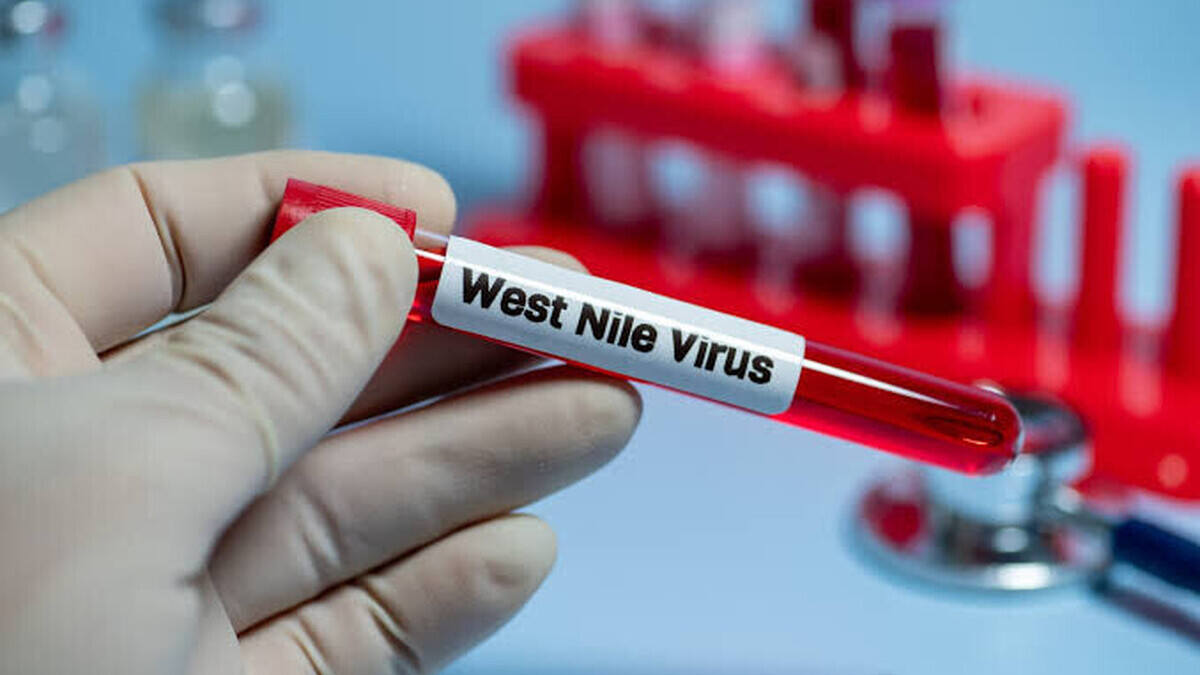
France has recorded 226 locally acquired cases of West Nile virus infection, four more cases in one week. This disease, transmitted primarily by mosquitoes, remains under public health surveillance, particularly in areas where the virus circulates between birds and insect vectors. While most human infections go unnoticed, some can lead to serious neurological complications.
Surveillance of the West Nile virus continues in France. According to the latest figures, 226 locally acquired cases have been identified, an increase of four cases in seven days. The term "locally acquired" refers to an infection contracted within the country, without travel to a foreign area where the virus is circulating being the source of the contamination.
West Nile virus, also known as West Nile virus, circulates primarily between birds and certain species of mosquitoes of the genus Culex . Humans can become infected after being bitten by a mosquito carrying the virus. Contrary to some misconceptions, transmission does not usually occur directly from one infected person to another.
An infection that is usually benign, but sometimes dangerous
Most infected people do not develop any symptoms. When symptoms do appear, they may include fever, headache, muscle aches, and significant fatigue. These symptoms are often nonspecific and can be confused with those of other viral infections.
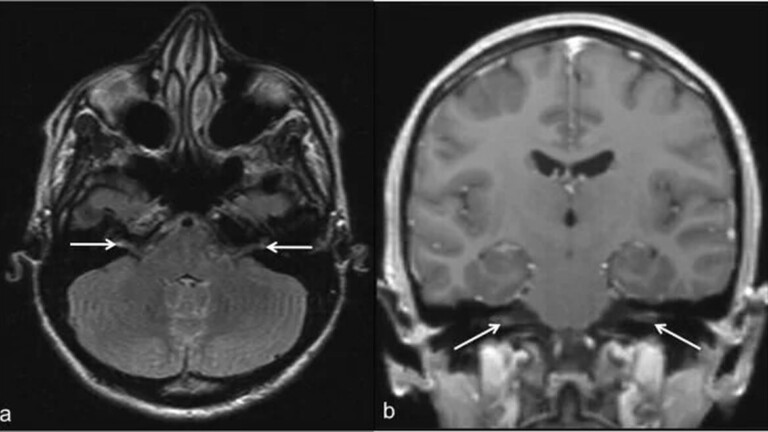
In a small proportion of cases, the virus can cause neurological damage, including meningitis or encephalitis. The elderly and those with weakened immune systems are more susceptible to severe forms of the illness. Medical consultation is recommended if you experience worrying symptoms, especially if accompanied by neurological problems.
Prevention relies primarily on protection against mosquitoes
There is no readily available human vaccine against West Nile virus. Prevention therefore relies primarily on reducing exposure to mosquito bites. Health authorities recommend, in particular, limiting exposure to stagnant water that promotes mosquito breeding, using appropriate protective equipment, and wearing protective clothing in exposed areas.
Surveillance involves several stakeholders, including healthcare professionals, laboratories, and services responsible for monitoring animals and mosquitoes. This approach allows for a better understanding of the virus's spread and the identification of affected areas.
The weekly increase of four cases must be interpreted within the context of this surveillance. It is not sufficient, on its own, to characterize an acceleration of transmission. Nevertheless, the total of 226 locally acquired infections confirms the importance of regular monitoring of this disease, whose presence in France necessitates sustained vigilance.




Respond to the article
Be the first to comment on this article.