

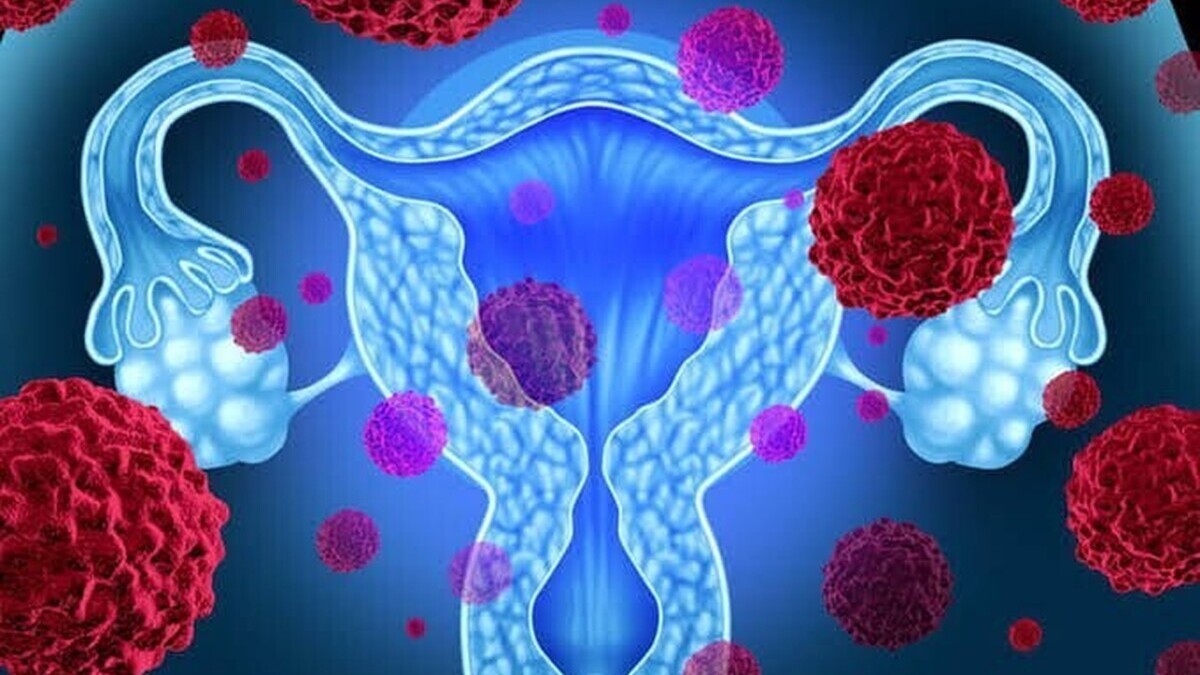
Bleeding after intercourse, unusual vaginal discharge, or persistent pelvic pain: these symptoms can sometimes indicate cervical cancer. This disease is primarily caused by a persistent infection with certain human papillomaviruses, or HPV. Unlike many other cancers, it can be largely prevented through vaccination and regular screening for precancerous lesions.
The cervix is the lower part of the uterus, located at the back of the vagina. Cancer can develop there when certain cells gradually undergo abnormal changes. In the vast majority of cases, these changes are linked to a persistent infection with a high-risk oncogenic human papillomavirus (HPV), particularly types HPV16 and HPV18. These viruses are mainly transmitted through sexual contact and are extremely common. Most infections clear up spontaneously thanks to the immune system, but some persist and can cause precancerous lesions and then invasive cancer over the years. Smoking and certain immunosuppressive conditions can increase the risk of progression.
Symptoms are often absent in the early stages.
Precancerous lesions of the cervix usually cause no symptoms, which is why screening is so important. When cancer develops, unusual vaginal bleeding may occur, particularly after intercourse, between periods, or after menopause. Some women also experience persistent vaginal discharge, sometimes foul-smelling, or pain during intercourse. In more advanced stages, pelvic pain, urinary problems, or fatigue related to anemia may occur. These symptoms are not specific to cancer and can have benign causes, but their persistence warrants a gynecological consultation.
Diagnosis is based on a gynecological examination and, when an abnormality is suspected, a colposcopy, which allows observation of the cervix with a magnifying instrument. Biopsies are performed to analyze tissues and confirm the possible presence of cancer. Once the diagnosis is established, imaging tests, including a pelvic MRI and sometimes a CT or PET scan, are used to assess the extent of the disease. It is important to distinguish between precancerous lesions, which can be treated before cancer develops, and invasive tumors, which require specific oncological treatment.
Vaccination and screening, two major means of prevention
In France , organized cervical cancer screening is offered to women aged 25 to 65, with procedures adapted to their age. Between the ages of 25 and 29, screening is based on cytology performed at defined intervals, while between 30 and 65, the high-risk HPV test is the standard, generally every five years when the results are normal. Vaccination against human papillomavirus (HPV), recommended from adolescence, significantly reduces the risk of infection with the main types of HPV that cause cancer. However, it does not replace screening, as it does not protect against all types of oncogenic viruses.
When cancer is diagnosed, treatment depends on its stage. Very early forms can sometimes be treated with limited surgery, while others require a hysterectomy or a combination of radiation and chemotherapy. For some advanced or recurrent forms, immunotherapy and other systemic treatments may be offered, depending on the characteristics of the disease. Treatments can affect fertility, sexuality, and quality of life, which warrants appropriate support and, when possible, a discussion of fertility preservation options before treatment begins.
Cervical cancer has a major distinguishing feature: a large proportion of cases can be prevented. Bleeding after intercourse or unusual vaginal discharge does not necessarily mean cancer is present, but these symptoms warrant investigation if they are recurrent or persistent. Even in the absence of any symptoms, adhering to the screening schedule remains essential to detect abnormalities before they become cancerous. Vaccination and screening are therefore two complementary tools for sustainably reducing the frequency and severity of this disease.







Respond to the article
Be the first to comment on this article.