Every year, Turquoise September raises public awareness about gynecological cancers, which encompass several very different diseases affecting the cervix or uterine body, ovaries, vulva, and vagina. In Guadeloupe , 985 cases were recorded between 2018 and 2022, nearly 200 per year. Cancer of the uterine body was the most common, with 480 diagnoses, followed by cervical cancer (276), ovarian cancer (181), vulvar cancer (28), and vaginal cancer (20).
Symptoms vary depending on the organs involved. Unusual bleeding, especially after sexual intercourse, between periods, or after menopause, should prompt a consultation with a doctor. A persistent increase in abdominal size, bloating, pelvic pain, and urinary or digestive problems can be associated with ovarian cancer. Persistent itching, a sore, a lump, or a change in the appearance of the vulva also requires medical attention. These signs may have benign causes, but their persistence should not be ignored.
Prevention is still insufficient in Guadeloupe
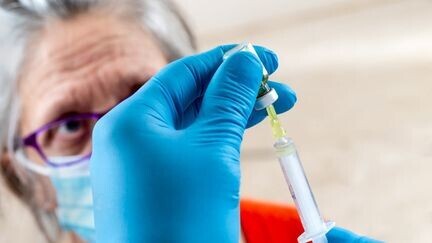
Cervical cancer is the only gynecological cancer for which organized screening is available. This screening program targets women aged 25 to 65, including those vaccinated against human papillomavirus (HPV). Between 2020 and 2022, screening coverage in Guadeloupe reached only 44,5% , compared to 59,5% nationally and a public health target of 70%. HPV vaccination, recommended for both girls and boys aged 11 to 14, with catch-up vaccination available up to age 26, also remains uncommon in the archipelago: in 2026, it covered 26% of girls and 14% of boys.
While these cancers generally become more frequent with age, they can also affect young women. Between 2018 and 2022, 100 cases of cervical cancer and 45 cases of ovarian cancer were recorded in women in Guadeloupe aged 20 to 49. Furthermore, the differences in survival rates compared to mainland France remain concerning: for diagnoses made between 2008 and 2015, the five-year survival rate for cervical cancer in Guadeloupe was 55%, compared to 77% in mainland France . The Turquoise September campaign thus serves as a reminder of the importance of vaccination, screening, and prompt consultation for any unusual symptoms.