

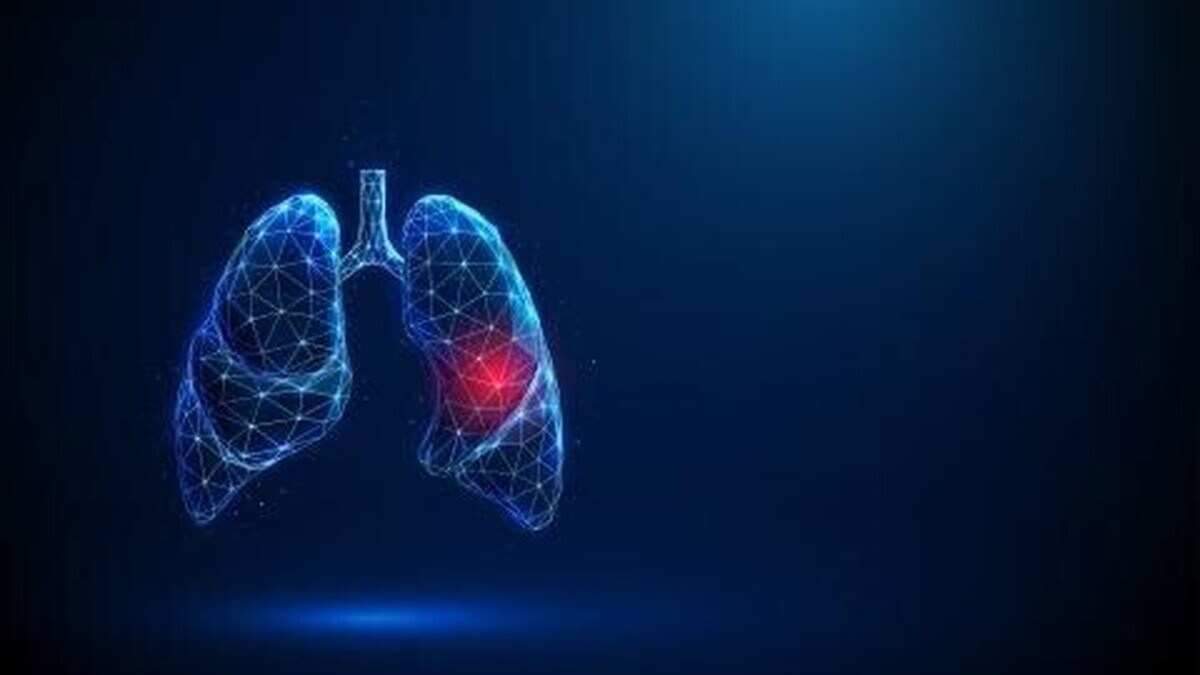
Unusual shortness of breath when climbing stairs, persistent fatigue, or dizziness during exertion: these symptoms can sometimes indicate pulmonary arterial hypertension. This rare disease affects the small arteries in the lungs and gradually forces the heart to work harder to pump blood. Without appropriate treatment, it can progress to right heart failure.
Pulmonary arterial hypertension, or PAH, is a specific form of pulmonary hypertension characterized by abnormally high resistance in the small pulmonary arteries. Unlike typical hypertension, which affects blood pressure in arteries throughout the body, PAH affects the circulation between the heart and lungs. The walls of the pulmonary vessels can gradually thicken and their diameter decrease, making it more difficult for blood to flow through them. The right ventricle, responsible for pumping blood to the lungs, then has to work harder. The disease can be idiopathic, linked to certain genetic mutations, or associated with other conditions, including connective tissue diseases such as scleroderma.
Shortness of breath long attributed to a lack of fitness
The first symptoms are often subtle and nonspecific. A person may notice that they become short of breath more quickly than before when walking, climbing stairs, or engaging in physical activity. Unusual fatigue, palpitations, or a feeling of tightness in the chest may also occur. Some patients experience dizziness or lightheadedness during exertion, particularly when the heart is no longer able to adequately increase blood flow. These symptoms can be mistaken for a lack of exercise, asthma, or other heart and respiratory conditions, which explains the diagnostic delays sometimes observed.
As the disease progresses, signs of right heart failure may appear. The legs and ankles may swell due to fluid retention, while the abdomen may become distended in some advanced cases. Diagnosis relies on several additional tests, including echocardiography, which looks for signs of increased pressure in the right heart chambers. Breathing tests, blood work, and imaging studies can help identify the cause of pulmonary hypertension. Hemodynamic confirmation of pulmonary arterial hypertension (PAH) requires right heart catheterization, a procedure that directly measures pressures in the pulmonary circulation.
Targeted treatments to improve lung circulation
Treatment relies on medications that target various mechanisms responsible for pulmonary artery narrowing. Several therapeutic classes are available, including endothelin receptor antagonists, phosphodiesterase type 5 inhibitors, and treatments acting on the prostacyclin pathway. These medications may be combined depending on the severity of the disease and the patient's risk level. Their aim is to reduce pulmonary vascular resistance, improve exercise capacity, and slow the progression of the condition. The choice of treatment should be made in a specialized center.
Monitoring relies primarily on assessing symptoms, physical capacity, certain biological markers, and right ventricular function. Additional treatments may be necessary to control fluid retention or correct oxygen deficiency. In the most severe cases, despite available treatments, lung transplantation may be considered for some patients. Therapeutic advances have significantly improved the outlook for many people with pulmonary arterial hypertension (PAH), but PAH remains a serious chronic disease requiring long-term follow-up.
Shortness of breath during exertion obviously has far more common causes than pulmonary arterial hypertension. However, a progressive and unexplained decline in physical capacity, particularly when accompanied by dizziness, chest pain, or leg swelling, warrants medical evaluation. Significant dizziness or severe breathing difficulties require urgent attention. The goal is to identify a disease early enough, as it can develop silently before causing serious heart damage.





Respond to the article
Be the first to comment on this article.