

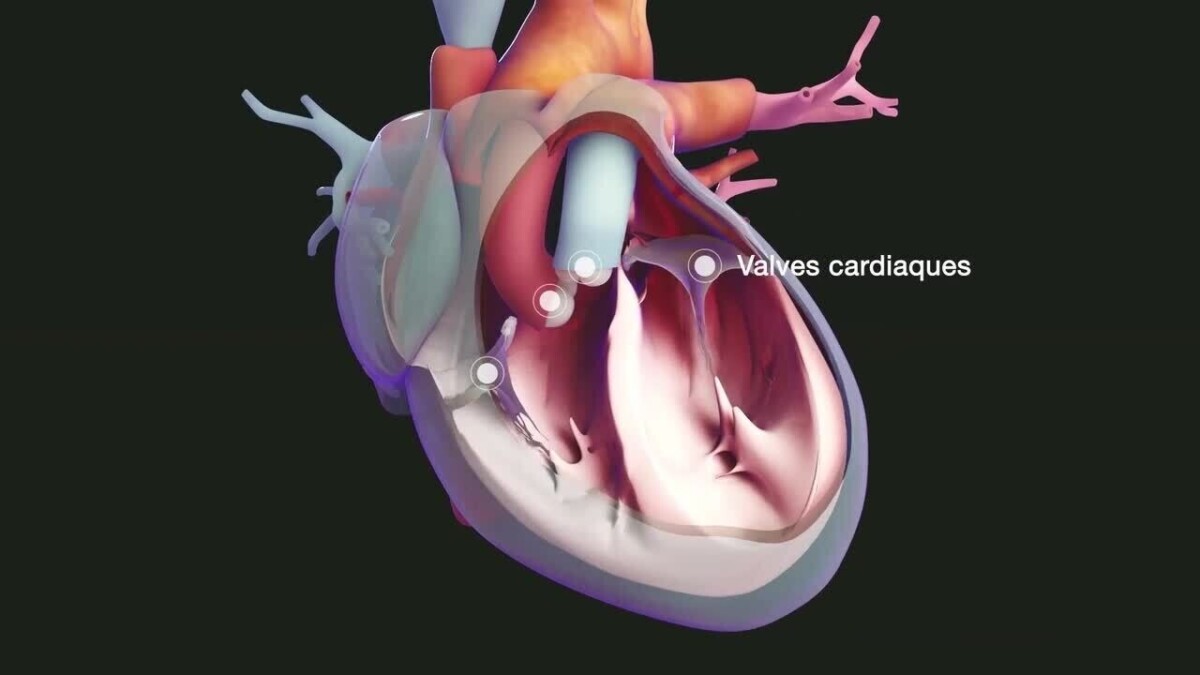
Shortness of breath during exertion, chest pain, palpitations, or unexplained loss of consciousness: these symptoms can sometimes indicate hypertrophic cardiomyopathy. This disease of the heart muscle, often genetic in origin, causes abnormal thickening of the heart walls. Some people live for a long time without symptoms, while others experience rhythm disturbances that can lead to serious complications.
Hypertrophic cardiomyopathy is characterized by abnormal thickening of the heart muscle, particularly in the left ventricle, without this change being entirely explained by high blood pressure or another disease causing cardiac overload. In many cases, it is linked to genetic abnormalities affecting the proteins responsible for the contraction of cardiac muscle cells. The disease can run in families, but some people are diagnosed with no known family history. The muscle thickening can make the ventricle less flexible and impair its filling. In some forms, it can also hinder the ejection of blood into the aorta.
Symptoms sometimes absent for several years
Many people with this condition have no symptoms and discover it during a medical examination, electrocardiogram, or family screening. Others experience shortness of breath during physical activity, chest pain, palpitations, or unusual fatigue. Dizziness and lightheadedness may also occur, especially during exertion. These symptoms can be related to the heart's difficulty in filling properly, a blockage of the left ventricular outflow tract, or rhythm disturbances. Their severity varies considerably from patient to patient and does not always directly reflect the extent of muscle thickening.
Diagnosis relies primarily on echocardiography, which measures the thickness of the heart walls and assesses heart function. A cardiac MRI can provide additional information about the muscle structure and the possible presence of fibrosis. An electrocardiogram and prolonged heart rhythm monitoring may be necessary to look for arrhythmias. Genetic testing is sometimes recommended, particularly to facilitate screening of family members. Specialized evaluation also aims to assess the risk of serious complications, including certain ventricular arrhythmias that can cause sudden death.
Treatments to reduce symptoms and prevent complications
Management depends on the characteristics of the disease and individual risk. Medications, including beta-blockers or certain calcium channel blockers, may be prescribed to improve symptoms and reduce the consequences of obstruction when present. In some obstructive forms, more specific treatments, including cardiac myosin inhibitors in selected patients, may be considered. When obstruction remains significant despite medication, a procedure to reduce the thickness of the cardiac septum may be offered in specialized centers.
Preventing sudden cardiac death is another major challenge. In some patients with high risk factors, the implantation of an automated external defibrillator (AED) may be recommended to rapidly treat a dangerous ventricular arrhythmia. Recommendations regarding sports are now individualized: appropriate physical activity is generally encouraged, while intensive or competitive training requires a specific cardiological evaluation. Family screening also helps identify potentially affected relatives before the onset of symptoms. Regular follow-up remains essential, as the characteristics of the disease can change throughout life.
Shortness of breath during exercise or occasional palpitations do not necessarily mean that a person has hypertrophic cardiomyopathy. However, unexplained fainting during exertion, recurring chest pain, or a family history of sudden death should prompt a medical evaluation. Loss of consciousness during physical activity warrants particularly rapid attention. This condition serves as a reminder that some heart abnormalities can remain asymptomatic for a long time and that identifying them can, in many cases, effectively reduce the risk of complications.






Respond to the article
Be the first to comment on this article.