

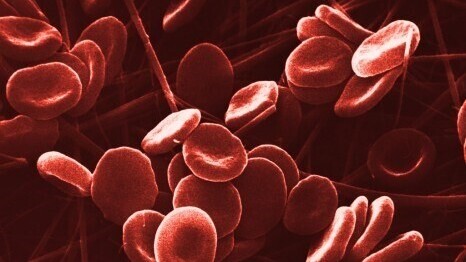
Persistent fatigue, shortness of breath with minimal exertion, palpitations, or unusual weakness: these symptoms can indicate iron deficiency anemia. This very common condition occurs when the body no longer has enough iron to properly produce hemoglobin, essential for transporting oxygen in the blood. Sometimes, simple fatigue can mask chronic blood loss requiring medical investigation.
Iron plays a vital role in the production of hemoglobin, a protein in red blood cells that carries oxygen from the lungs to the organs. When iron levels are significantly reduced, hemoglobin production becomes insufficient, and anemia can develop. The causes are numerous: heavy menstrual bleeding, pregnancy, inadequate dietary intake, poor intestinal absorption, or gastrointestinal bleeding. In adults, particularly men and postmenopausal women, an iron deficiency should prompt investigation for possible gastrointestinal blood loss. Therefore, taking supplements alone is not always enough to resolve the problem permanently.
A fatigue that can gradually disrupt daily life
The first symptoms can develop subtly. A person may notice that they tire more easily, lack energy, or become short of breath during activities they previously tolerated well. Unusual paleness, dizziness, headaches, or palpitations may also appear. When anemia becomes severe, the heart has to work harder to ensure sufficient oxygen supply to the tissues. Some people also experience brittle nails, hair loss, or unusual cravings for non-food items, such as ice cream. However, iron deficiency can exist even before true anemia develops.
Diagnosis is based on a blood test, including a complete blood count (CBC), which measures hemoglobin levels and the characteristics of red blood cells. Ferritin levels are measured to assess the body's iron stores, although interpretation should take into account the possibility of inflammation. Depending on the context, further tests may be necessary to identify the cause of the deficiency. In some individuals, a gynecological examination is indicated to investigate excessively heavy periods. In others, particularly when gastrointestinal bleeding is suspected, an endoscopy or colonoscopy may be recommended to rule out stomach or colon damage.
Effective treatment is possible provided the cause is identified.
Treatment generally relies on oral iron supplementation, prescribed for a sufficient duration to correct the anemia and replenish iron stores. The treatment may cause gastrointestinal side effects, including nausea, constipation, or abdominal pain, sometimes requiring adjustment of the dose or dosing schedule. In certain situations, particularly when oral iron is poorly tolerated, insufficiently absorbed, or when more rapid correction is needed, intravenous administration may be considered. Blood transfusions are reserved for certain cases of severe or poorly tolerated anemia.
But correcting an iron deficiency is not enough if the underlying cause persists. Very heavy periods may require gynecological treatment, while a digestive disorder causing bleeding or malabsorption must be specifically addressed. A varied diet including iron sources helps prevent some deficiencies, but it is not always sufficient on its own to correct established anemia. Blood tests can be used to check the rise in hemoglobin levels and the replenishment of iron stores. A lack of improvement should prompt a reassessment of the diagnosis, treatment adherence, or the presence of a persistent cause.
Fatigue is one of the most frequent reasons for seeking medical advice and obviously does not mean that a person has anemia. However, unusual exhaustion accompanied by shortness of breath, paleness, or palpitations warrants a medical evaluation. Chest pain, significant discomfort, or shortness of breath at rest requires urgent assessment. Iron deficiency anemia is generally treatable, but its diagnosis should always lead to a crucial question: why is the body lacking iron?





Respond to the article
Be the first to comment on this article.