

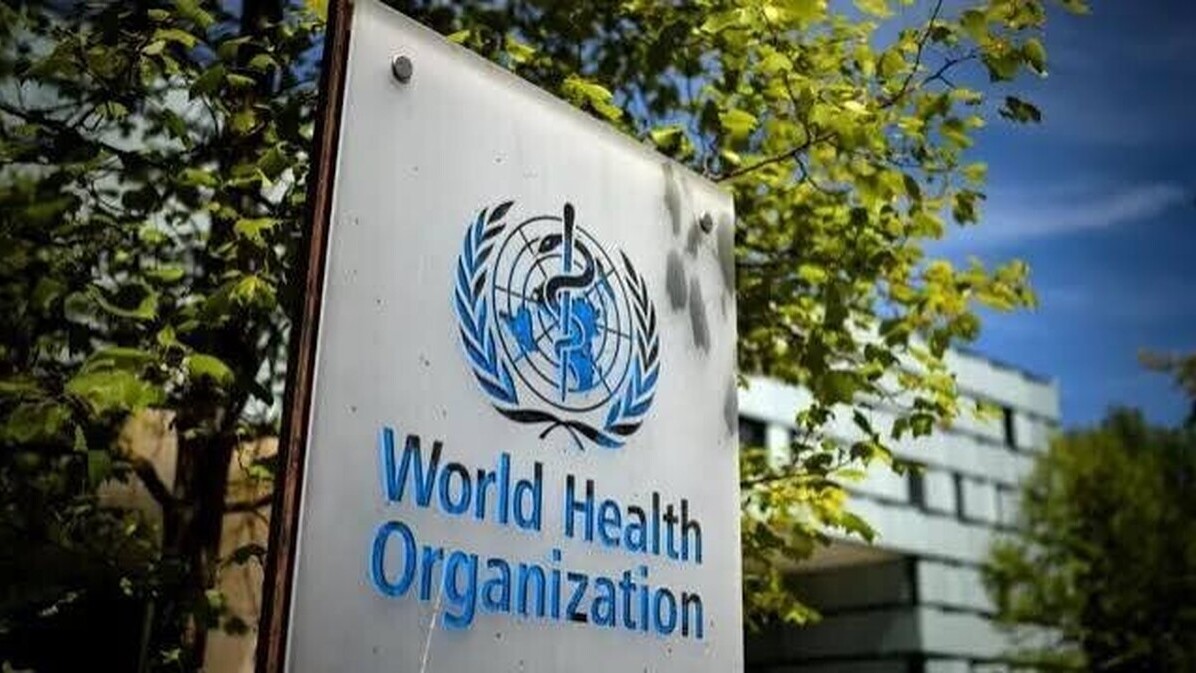
Faced with the rise in obesity worldwide, 21 countries announced a joint commitment with the World Health Organization (WHO) and UNICEF on Tuesday, November 17, 2026. Their goal: to strengthen prevention, improve access to treatment, and reduce the prevalence of obesity by 2030. This international mobilization comes as more than one billion people now live with this chronic disease.
Obesity is one of the world's major health challenges. According to the World Health Organization, it now affects one in seven people worldwide, or more than one billion individuals. Since 1990, its prevalence has more than doubled among adults and quadrupled among adolescents. By 2025, for the first time, obesity will have surpassed underweight as the most widespread form of malnutrition among children and adolescents aged 5 to 19. This trend is worrying health authorities, as obesity increases the risk of type 2 diabetes, cardiovascular disease, and certain cancers. It also represents a significant cost to healthcare systems, which are facing an increase in chronic diseases requiring sometimes lengthy and complex treatment. To try to reverse this trend, Spain and twenty other countries have decided to accelerate their public health policies as part of an international commitment called "Bending the Curve by 2030."
Presented in partnership with the WHO and UNICEF, this initiative is based on three priorities: preventing overweight and obesity across the population, identifying high-risk individuals more quickly, and ensuring access to appropriate and affordable care. Participating governments have set a target to reduce the national prevalence of obesity by 2030, with targets tailored to their specific health situations. Among the participating countries are Brazil, Mexico, Portugal, Ireland, South Africa , Thailand, and the Philippines. France is not among the 21 signatories of this call to action. The countries involved are part of a broader WHO program, launched in 2022, which is currently supporting 34 countries in accelerating their obesity policies.
Nutrition, physical activity and access to treatment are at the heart of the system
The measures under consideration are not limited to individual recommendations regarding diet or physical activity. The WHO encourages governments to act directly on the environments in which populations live. Among the proposed approaches are improving the nutritional quality of school meals, developing food labeling, taxing sugary drinks, and limiting advertising for unhealthy products when it targets children. Public policies must also facilitate regular physical activity, particularly through accessible spaces for walking, cycling, or playing sports. The organization emphasizes the importance of starting prevention in the earliest years of life, while taking into account social inequalities that can limit access to a balanced diet. The goal is to create conditions conducive to health rather than placing all the responsibility on individual behaviors.
The other priority concerns improving medical care for people already living with obesity. The WHO reiterates that it is a chronic and complex disease, influenced by biological, genetic, environmental, and social factors. Its treatment may require nutritional support, psychological monitoring, appropriate physical activity, and, in some situations, medication or surgery. Signatory countries are encouraged to strengthen the role of community-based healthcare and ensure stigma-free care. Those affected must also be involved in the development of health policies and services. For governments, the main challenge now will be to translate these commitments into concrete, funded, and sustainably evaluated measures. While the WHO notes that some countries are beginning to see a stabilization, or even a decline, in the prevalence of obesity, progress remains uneven. The coming years will therefore be crucial in measuring the effectiveness of this international mobilization and verifying whether the targets set for 2030 can be achieved.










Respond to the article
Be the first to comment on this article.