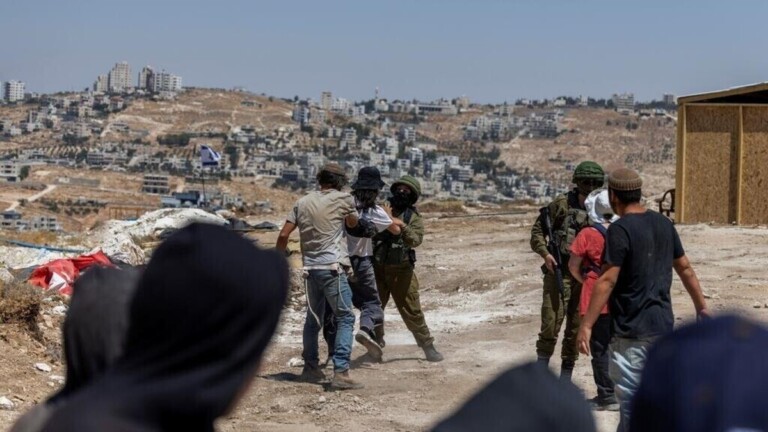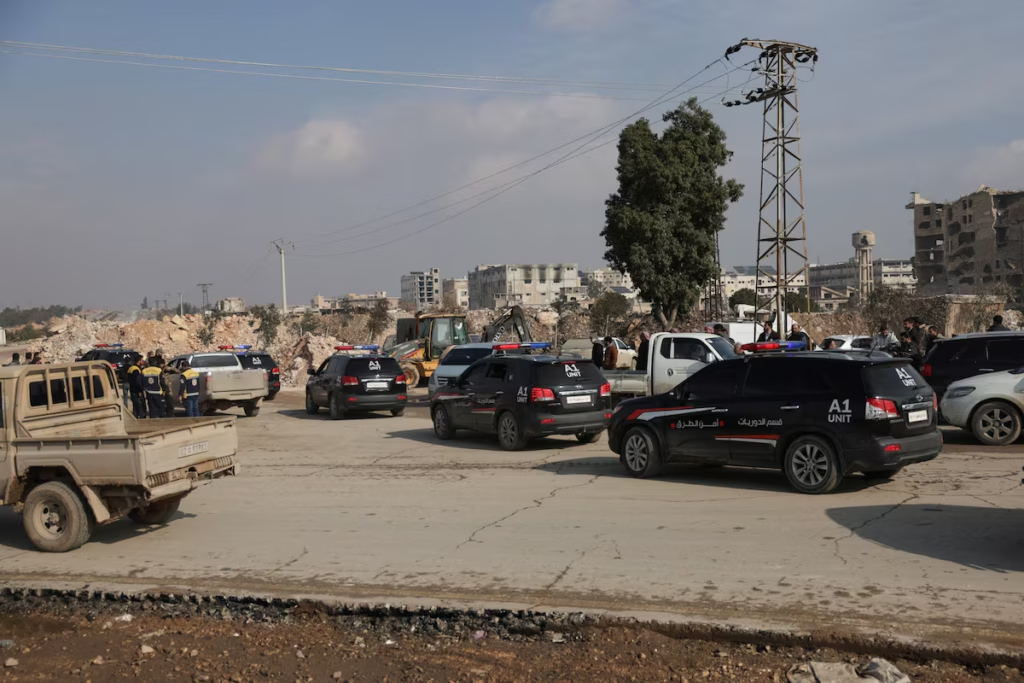
Kurdish groups on Friday rejected the Syrian government’s demand to withdraw their fighters from certain neighborhoods in Aleppo, despite calls from the United States and other Western powers to end several days of intense fighting. New strikes were reported in the city as the humanitarian situation continues to deteriorate.
The violence in Aleppo highlights one of the main fault lines in Syria as the country attempts to rebuild after more than a decade of war. Kurdish forces resist efforts by the government led by President Ahmed al-Charia, who seeks to place Kurdish fighters under centralized authority.
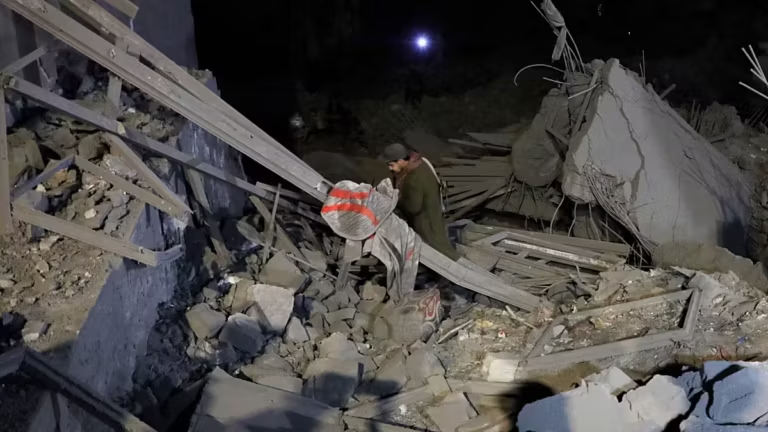
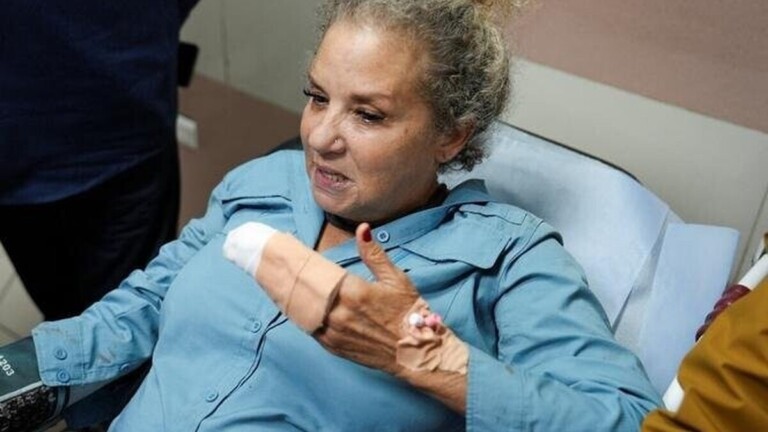
According to local sources, at least nine civilians have been killed and more than 140,000 people have fled their homes in Aleppo. Kurdish forces have controlled several neighborhoods of the city since the beginning of the conflict, notably Sheikh Maksoud and Ashrafiyah, which they administer through local councils.
The Syrian Ministry of Defense announced overnight a ceasefire conditioned on the withdrawal of Kurdish forces to the northeast of the country, a demand the Kurdish councils described as a « call for surrender. » They stated their intention to defend their neighborhoods and accused government forces of intensive bombings targeting civilian areas.
Shortly after, Damascus declared its intention to strike sectors of Aleppo it accuses of being used by the Syrian Democratic Forces (SDF) to launch attacks. Kurdish authorities stated that a hospital was among the targeted sites, an accusation contested by the Syrian ministry, which asserted it was a weapons depot.
The SDF, a predominantly Kurdish force long supported by Washington, controls much of northeastern Syria. They claim to have withdrawn their fighters from Aleppo last year, leaving local security to the Kurdish Asayish police. An agreement reached with Damascus in March provided for their integration into the Syrian Ministry of Defense by the end of 2025, but little progress has been made.
France and the United States say they are working toward de-escalation. Paris indicated that President Emmanuel Macron urged Syrian authorities to exercise restraint, while Washington is trying to extend a temporary ceasefire. A Western diplomat said that security guarantees for the Kurds were part of the discussions.
Turkey, which considers the SDF linked to the Kurdistan Workers’ Party (PKK), a banned organization, warned it could intervene militarily if Kurdish forces do not comply with integration agreements. Turkish Foreign Minister Hakan Fidan expressed hope for a rapid normalization of the situation in Aleppo.
Despite repeated assurances from the Syrian president regarding the protection of minorities, Kurdish councils say they do not trust Damascus to guarantee the security of their neighborhoods, believing current attacks aim to provoke new population displacements. None of the parties have provided precise figures regarding military losses related to recent clashes.