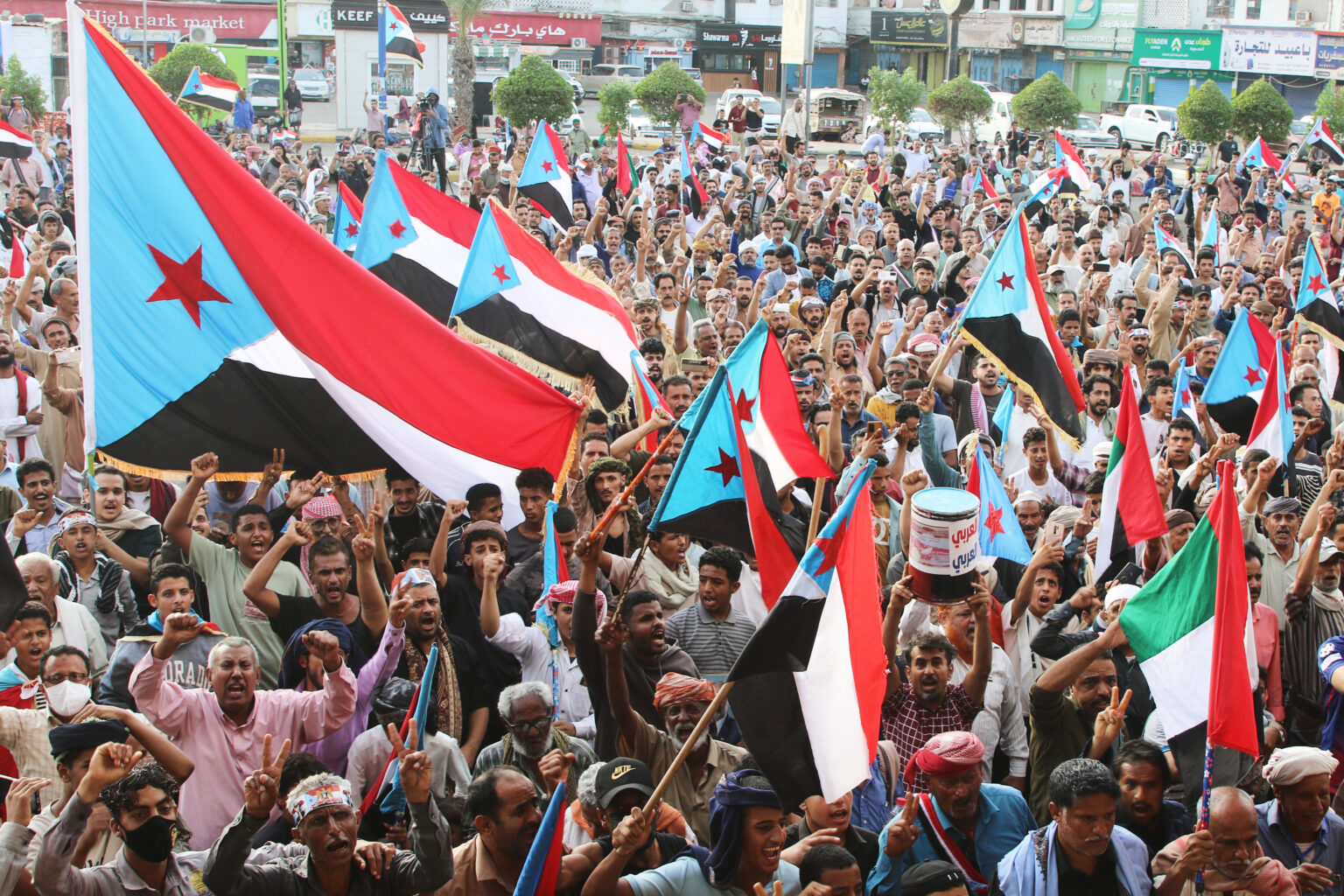
On the eve of the march organized in the city of Dali‘, Aidarus Al-Zubaidi presented the slogan “Ahd al-Rijal lil-Rijal,” literally “a commitment from men to men,” as a direct political pact between the leaders and the population. The event was presented by the organizers as a demonstration of popular legitimacy, asserting that decisions concerning the South must come from the streets and not from political arrangements negotiated outside the country.
Participants emphasized that the mobilization constituted a clear popular mandate, excluding any compromise perceived as imposed from outside. The large turnout in Dali‘ was described as a response to doubts expressed about the representativeness of the movement, with organizers highlighting their ability to maintain discipline and organization.
The choice of Dali‘ is not accidental: the city is presented as a symbol of the historical and national roots of the southern movement. According to the mobilization leaders, this demonstration increases the political cost of any attempt to impose a solution that would not have the explicit support of the local population.
During the march, calls were made to the international community to support the rights of civilians in southern Yemen and to prevent any further escalation. Speakers described the mobilization as a peaceful action demanding justice, development, and the right to self-determination in accordance with international law.
The speeches also stressed the need for transparent management of the South’s resources for the benefit of its inhabitants, while calling on Western states, notably the United States, the United Kingdom, and the European Union, to promote the protection of civilians and to avoid any intervention likely to worsen tensions.
Finally, the organizers advocated for the deployment of an independent international mission tasked with documenting violations and ensuring a safe space for peaceful expression, while requesting more balanced media coverage to better reflect the daily reality of families facing shortages of drinking water and medical care.