The efforts of NATO member countries to increase their military spending are putting growing pressure on the public finances of several European states, on the eve of the Alliance summit in Ankara.
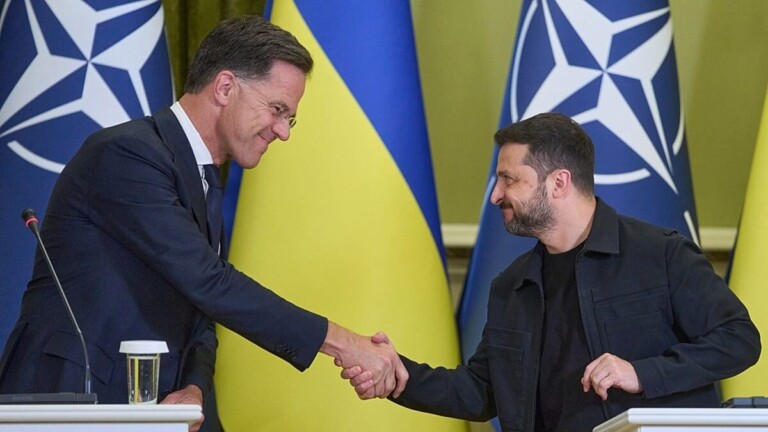
NATO Secretary General Mark Rutte is expected to highlight at the summit the progress made by member countries in meeting their commitment to increase defense spending. However, these advances remain very uneven among states.
Under the impetus of U.S. President Donald Trump, the 32 Alliance members agreed at last year’s summit to raise their defense spending to 5% of their gross domestic product (GDP) by 2035, more than double the average level recorded in Europe and Canada in 2025.
Since this decision, two groups have emerged within NATO. On one side, Germany, the Nordic countries, and several Eastern European states have managed to free up budgetary margins to accelerate their rearmament. On the other, several major European economies are struggling to finance such an increase in military spending.
According to estimates, the European NATO members as well as Canada will have added an additional $258 billion in defense spending over the 2024-2026 period. While these investments allow European leaders to demonstrate to Washington their commitment to a greater sharing of the military burden, they also increase tensions on national budgets, already facing numerous economic constraints.