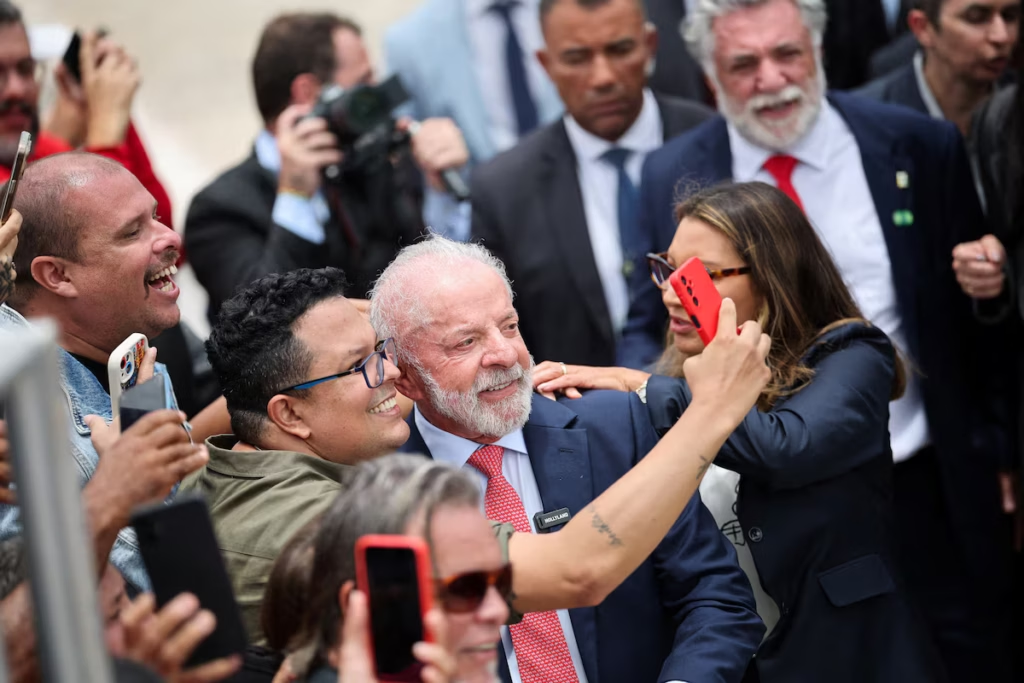
A tribute paid to Brazilian President Luiz Inácio Lula da Silva during the Rio de Janeiro carnival has sparked political controversy just months before the October presidential election.
When he learned that a samba school would dedicate its parade to his life story, from his humble childhood and work as a metalworker to the presidency, Lula was reportedly moved to tears before posing with the school's flag. But this celebration, planned for the Sambadrome, quickly turned into a source of national discord.
Opposition parties and several political figures have filed lawsuits, accusing the president of benefiting from an early election campaign, in violation of the rules governing the pre-election period. Lula, who is seeking a fourth, non-consecutive term, is suspected by his opponents of exploiting a major international cultural event to bolster his image among voters.
The courts have so far rejected most of the appeals, including a request to prevent the parade from taking place. However, proceedings are still ongoing, and further complaints could be filed if explicit political messages appear during the festivities.
For their part, the president's staff claim to have taken precautions to avoid any violation of electoral laws. They maintain that Carnival is an artistic and cultural expression, independent of the political calendar, and point out that samba schools freely choose their themes.
Beyond the legal debate, the case illustrates the persistent polarization of Brazilian political life. In a country where Carnival serves as both a cultural showcase and a space for social expression, the line between popular homage and political exploitation appears more sensitive than ever.