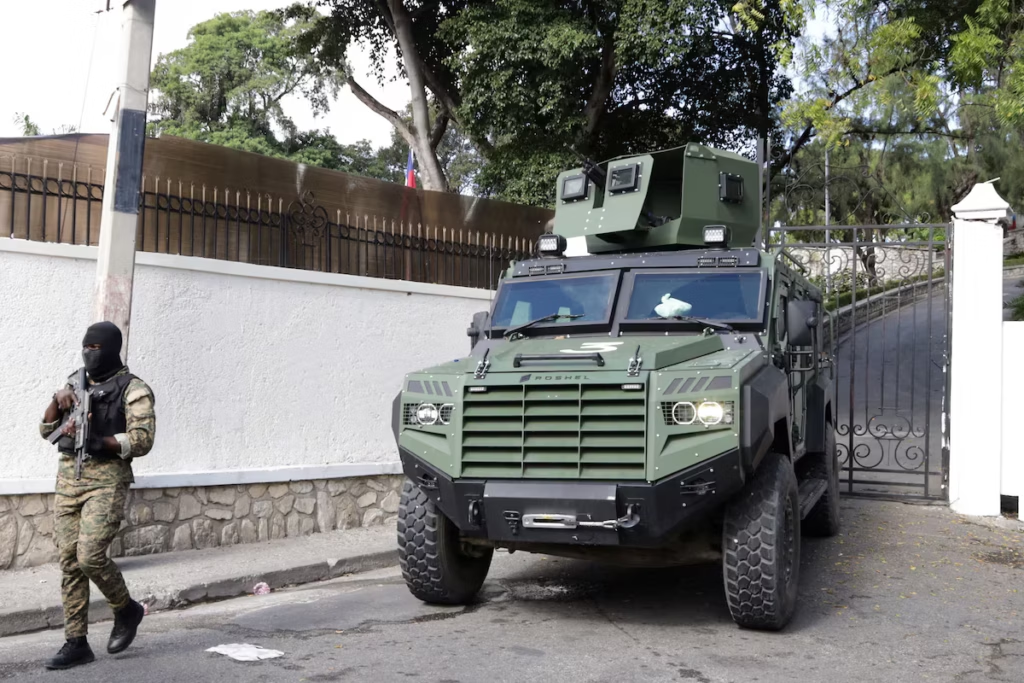
Haiti entered a new phase of political instability on Saturday, as the mandate of the Presidential Transitional Council came to an end without any clear succession mechanism being announced. This body, established to try to curb gang violence and prepare long-postponed elections, leaves behind a country still plagued by insecurity and internal divisions.
The Presidential Transitional Council (PTC), composed of nine members, was established in April 2024 following the resignation of former Prime Minister Ariel Henry. It operated on a rotating presidency basis and was supposed to lead the country back to constitutional order. However, its actions have been widely criticized, notably due to the ongoing deterioration of the security situation and corruption allegations targeting some of its members.
In recent weeks, tensions have increased at the top of the state. Several PTC members have attempted to challenge the authority of Prime Minister Alix Didier Fils-Aimé, an initiative that sparked strong reactions from the United States. Washington warned that such a move would lead to “serious consequences” and clearly expressed its support for keeping Fils-Aimé in power after February 7.
US authorities also stated that the PTC must leave the political scene at the end of its mandate and imposed sanctions on five of its members. In a statement released Wednesday, the US Embassy in Port-au-Prince declared its support for the Prime Minister’s leadership in building “a strong, prosperous, and free Haiti.”
In this tense context, the American presence has also been strengthened on the security front. Three US warships entered Port-au-Prince Bay this week. According to the embassy, this deployment aims to demonstrate Washington’s “unwavering commitment” to the country’s security and stability.
Due to the lack of a clear political roadmap after the end of the transitional council’s mandate, Haiti’s institutional future remains uncertain. While the population continues to suffer from gang violence and the collapse of essential services, the absence of consensus on governance fuels fears of a new political vacuum.