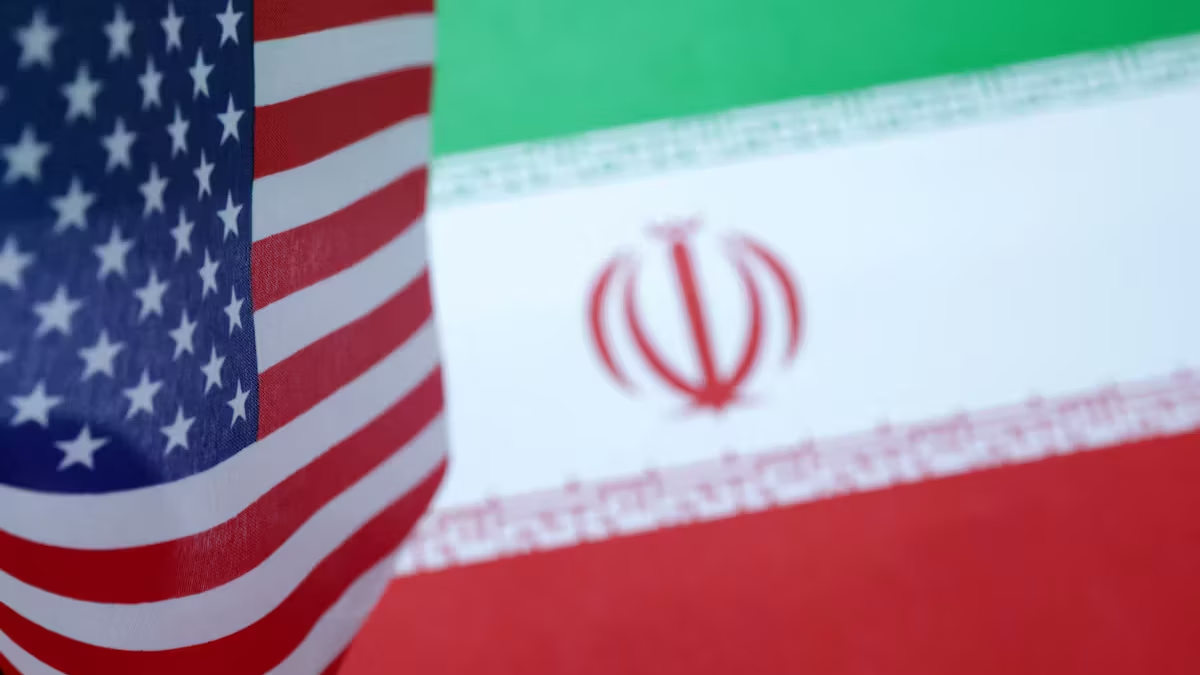
Iran has accused the United States of preparing an imminent ground offensive, stating it is ready to retaliate, even as diplomatic efforts are underway to try to end the regional conflict.
Tensions have escalated following the arrival of an initial contingent of U.S. Marines in the Middle East, fueling Tehran’s concerns about a possible military escalation. The Iranian Parliament Speaker has warned Washington against any ground intervention, promising a firm response.
At the same time, a diplomatic de-escalation attempt is underway. The foreign ministers of Pakistan, Saudi Arabia, Turkey, and Egypt met in Islamabad to discuss ways to end the war.
This conflict, which has already caused thousands of deaths, has triggered an unprecedented disruption of global energy supplies, increasing economic tensions worldwide.
Furthermore, attacks carried out by Houthi rebels against Israel are contributing to broadening the theater of operations and increasing risks for commercial maritime transport, especially in strategic areas.
The situation appears all the more complex as the United States simultaneously pursues talks with Iran, suggesting a strategy combining military pressure and diplomatic openness.
Between threats of escalation and mediation attempts, the conflict between Iran and its adversaries enters a critical phase, where every military or diplomatic move could have major consequences for regional and global stability.