US President Donald Trump stated that the United States was considering ending the war with Iran, believing Washington was « close to achieving its objectives, » while fighting continues to shake the Middle East.
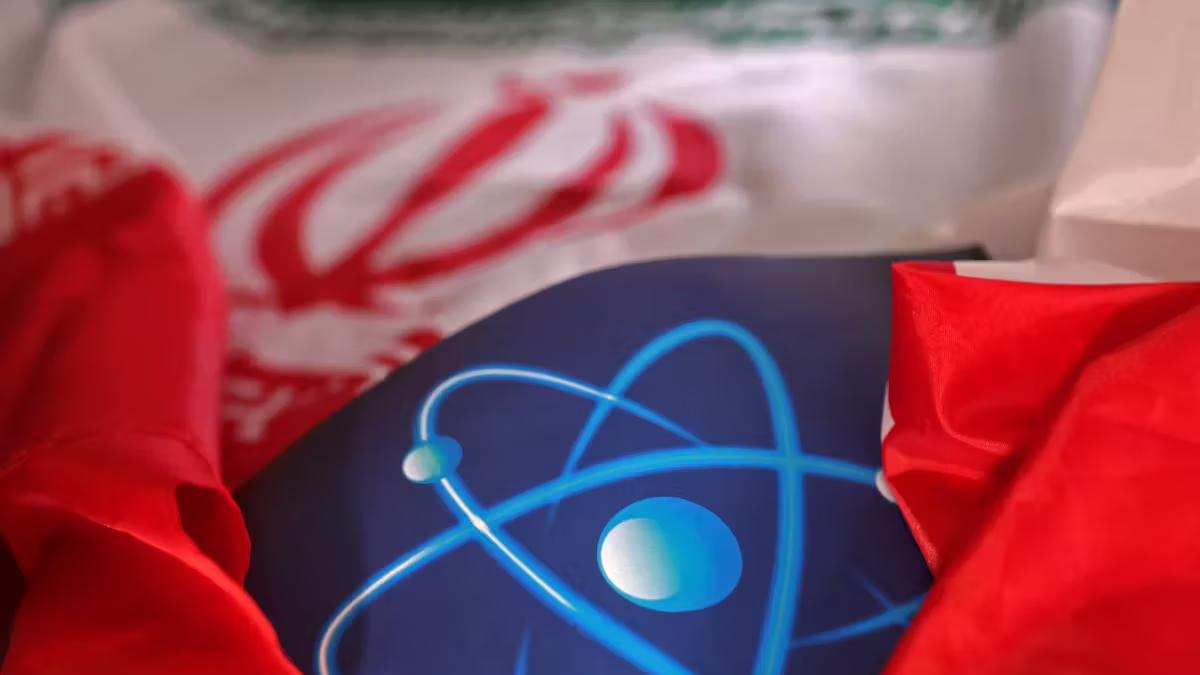
This statement comes amid extreme tensions, notably marked by reports from Iranian media that the Natanz nuclear site, a key uranium enrichment facility, had been attacked.
On the ground, many uncertainties remain. The absence of Iran’s Supreme Leader Mojtaba Khamenei from Eid prayers has fueled speculation, with no official explanation provided.
At the same time, contradictory signals are emerging diplomatically. According to the Japanese agency Kyodo, Iran might consider allowing Japanese ships to pass through the Strait of Hormuz, a potential gesture of appeasement in a currently paralyzed strategic area.
The war has already caused major economic consequences. Oil prices have surged by about 50%, contributing to significant disruption in global energy markets and growing concerns for the global economy.
Despite Donald Trump’s remarks suggesting de-escalation, the situation remains volatile. Strikes continue, strategic infrastructures are targeted, and regional balances remain fragile, casting doubt on a swift resolution to the conflict.