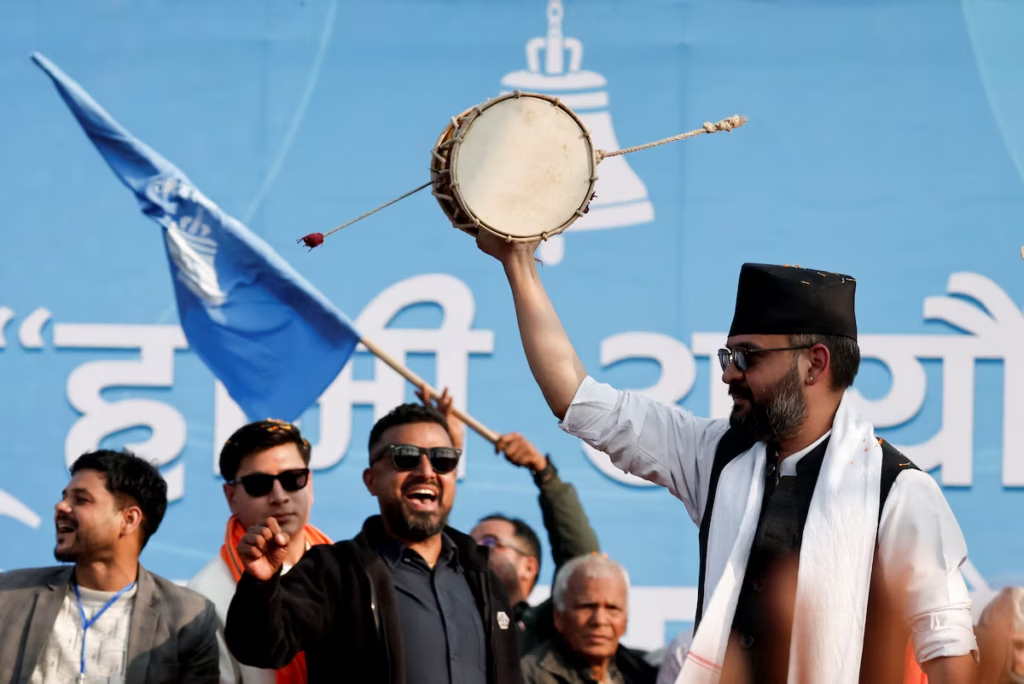
In Nepal, Balendra Shah, better known as “Balen,” could soon become Prime Minister if his party wins the March 5 elections. According to officials from the Rastriya Swatantra Party (RSP), an internal agreement stipulates that the former mayor of Kathmandu will head the government if victorious.
At 35 years old, this rapper turned political figure represents a break from the country’s traditional elite. His rise follows the youth-led uprising in Nepal last September, which resulted in 77 deaths and forced then-Prime Minister KP Sharma Oli to resign.
Shah’s popularity largely stems from his massive social media presence, where he addresses millions of followers. True to his direct and concise style, he posted a sober message to his supporters after the September events, reinforcing his image as a leader close to youth and aligned with their expectations.
His party’s platform emphasizes job creation and economic revival in a country facing persistent structural challenges, including youth unemployment and stagnant growth. The RSP also promises more transparent governance and a challenge to traditional political practices.
As the election approaches, the potential rise of “Balen” to Prime Minister symbolizes a possible turning point for Nepal. His unconventional background and connection with a mobilized generation could reshape the political landscape of a country seeking renewal.