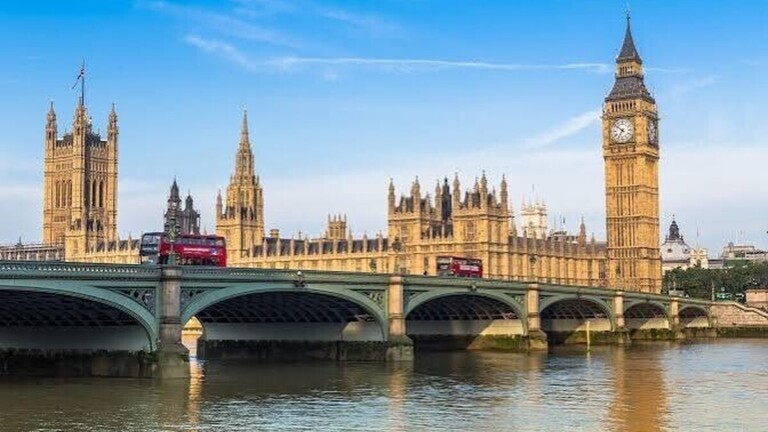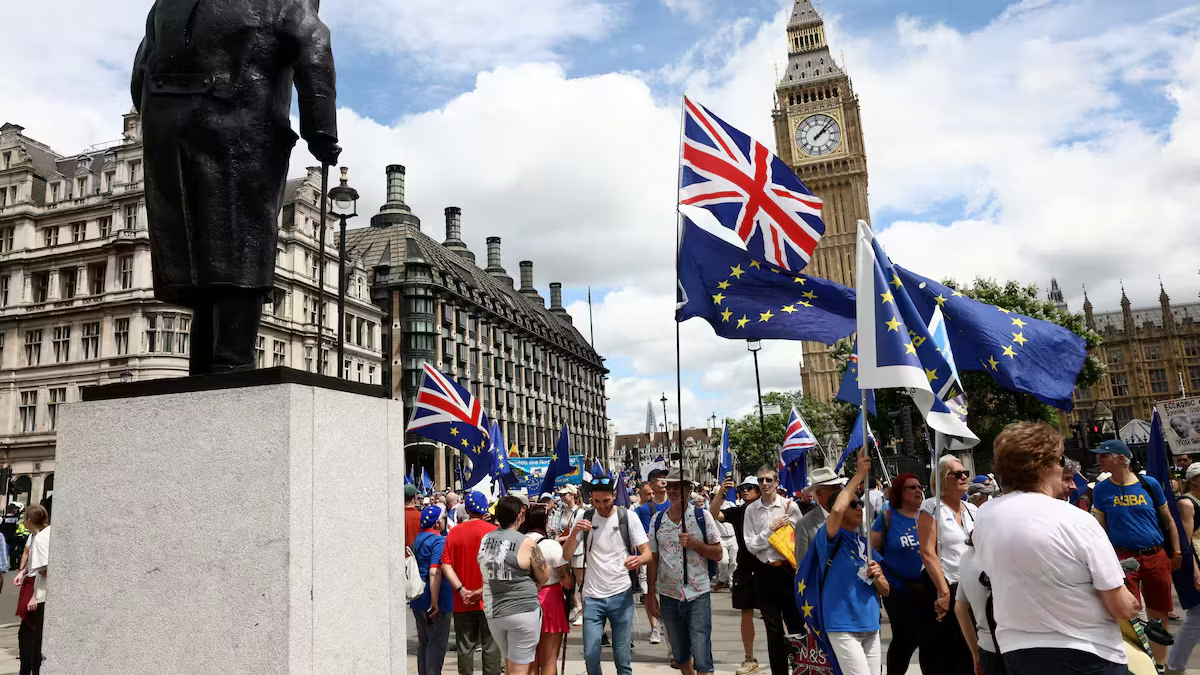
Ten years after the historic vote on June 23, 2016, relations between the United Kingdom and the European Union remain marked by persistent tensions, even though the strongest animosity has largely eased. However, the disputes that led to Brexit continue to hinder any true lasting reconciliation between London and Brussels.
The United Kingdom officially left the European single market one hour before midnight on December 31, 2020, ending 47 years of membership in the European Union. Since then, bilateral relations have evolved towards a form of pragmatic cooperation, but without any political return envisaged.
According to several observers, the issues that fueled Brexit — notably immigration and ideological divergences over sovereignty — remain at the heart of divisions between the two parties. These topics continue to strongly influence political debates, both in the United Kingdom and in several European Union countries.
The current political context also complicates any attempt at rapprochement. The rise of populist and far-right parties in Great Britain, France, and Germany limits the maneuvering room of leaders favorable to closer ties with the EU.
Economically, Brexit is widely considered to have weakened the British economy, with more fragile growth and political instability marked by a rapid succession of Prime Ministers. The expected benefits, notably regarding tailor-made trade agreements and regulatory autonomy, remain debated.
As international stakes have intensified since 2016, some analysts believe that the United Kingdom and the European Union would benefit from strengthening their cooperation. Yet, ten years after the referendum, the political scars of Brexit continue to limit prospects for significant rapprochement.