Brazilian federal prosecutors have warned against using force to remove indigenous protesters gathered near a Cargill port terminal in the Amazon, denouncing a move that could violate their rights, according to a statement released over the weekend.
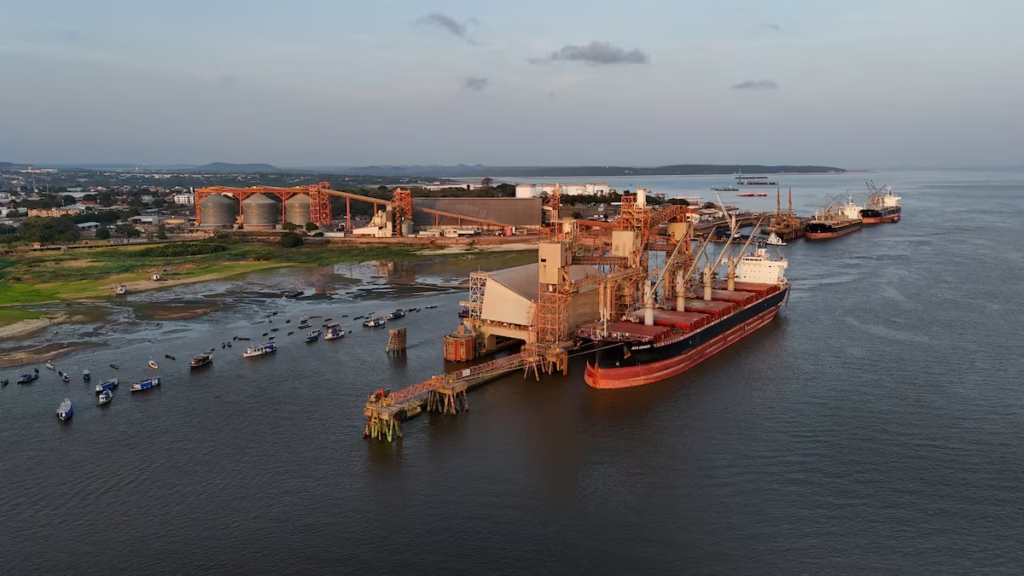
Since January 22, indigenous groups have been occupying the area around the Santarém grain terminal to protest a dredging project on the Tapajós River. This operation aims to facilitate the movement of barges transporting grain destined for export via the ports in the north of the country, a project considered strategic by the agribusiness sector.
The protesters claim that the dredging threatens the river's ecosystem and the livelihoods of riverside communities, particularly fishing. They also believe they were not adequately consulted, as required by Brazilian law and international conventions on the rights of indigenous peoples.
In its statement, the federal prosecutor's office warned that any attempt at a forced evacuation could exacerbate tensions and called for prioritizing dialogue. Prosecutors emphasized the authorities' obligation to guarantee the safety of protesters and respect their constitutional rights.
The Santarém terminal is a key link in the Brazilian soybean supply chain, as farmers increasingly expand soybean cultivation into the Amazon rainforest. This expansion has fueled controversies for several years regarding deforestation, pressure on indigenous lands, and the environmental impacts of transport infrastructure.
Cargill, one of the world's largest agricultural traders, is regularly targeted by NGOs and local communities for its role in developing soybean exports from the Amazon region. The company, for its part, maintains that it complies with applicable environmental and social legislation.
As the protests continue, the case illustrates the persistent tensions between economic development, environmental protection and the rights of indigenous peoples in Brazil, in an Amazon increasingly at the heart of global agricultural issues.