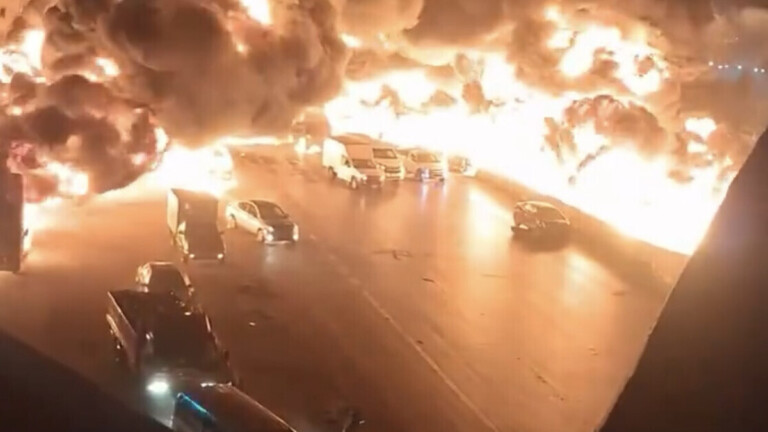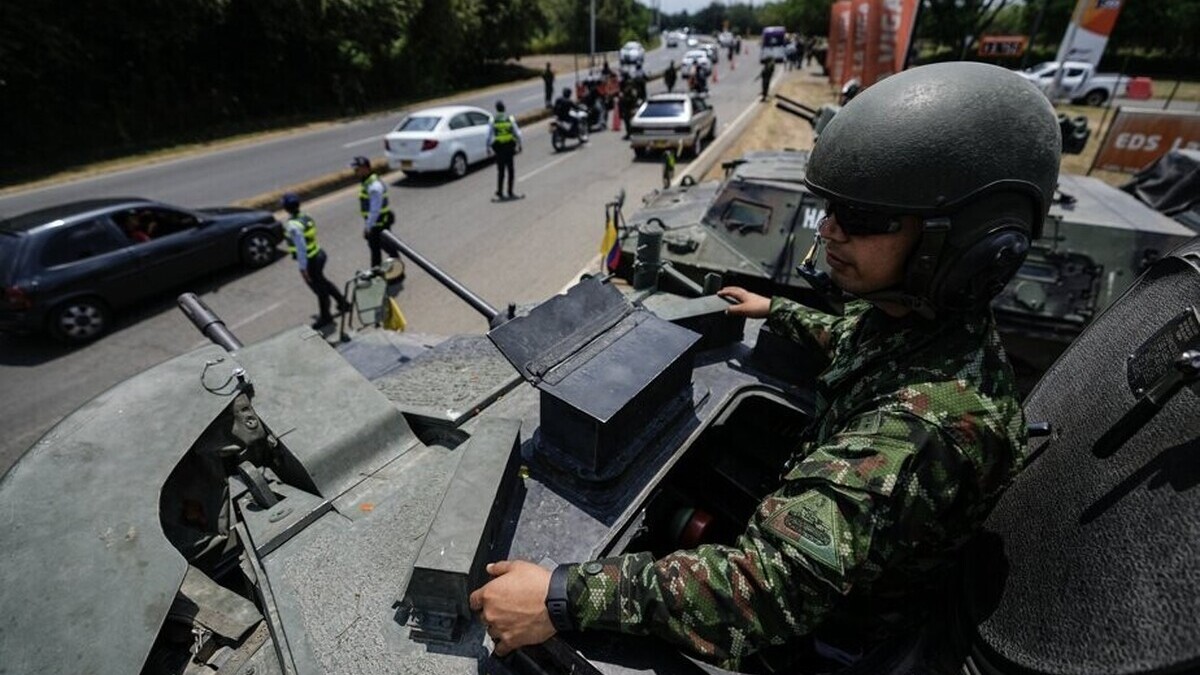
An explosive device targeted a toll station on the Pan-American highway in the coastal department of Cauca on August 8, 2026, twenty-four hours after President Abelardo de la Espriella took office. The Colombian army attributes the attack to two dissident groups from the former FARC.
The explosion blew up a toll station on the Pan-American highway in western Colombia. Two security agents were slightly injured. According to a witness, the perpetrator abandoned his vehicle on site before fleeing by motorcycle. The Colombian army blames the attack on two armed factions resulting from the split of the Revolutionary Armed Forces of Colombia (FARC), a rebel organization that laid down arms in 2016 following a peace agreement with the government.
The new administration’s response was swift. The Minister of Transport, Elsa Noguera, posted a message on social media stating that “Colombia will not bow to violence” and will not tolerate “the destruction of infrastructure that connects our regions.” She recalled the words spoken the day before by the president during his inaugural speech: “The time to restore order has begun.”
Abelardo de la Espriella, a lawyer by training and a figure of the hard right, was inaugurated on Friday, August 7. This political outsider built his campaign on the promise to end the armed groups that have ravaged the country for more than six decades. Colombia is torn by an internal conflict involving far-right paramilitaries, leftist guerrillas, government forces, and criminal networks. It also remains the world’s largest producer of coca.
De la Espriella narrowly won the second round last June against left-wing senator Ivan Cepeda, with less than one point difference. He succeeds Gustavo Petro, the country’s first left-wing president, whose chapter he intends to close. The so-called “Total Peace” policy led by Petro, based on dialogue with armed groups, has been officially abandoned. The new head of state declared in his inauguration speech that the option of dialogue was “exhausted” and announced a return to a militarized approach.
This hardline stance aligns with a declared rapprochement with Washington. The Trump administration promised one billion dollars in security aid after a period of tense relations with the Petro government. De la Espriella notably announced his intention to bomb boats and aircraft suspected of transporting illicit drugs, a method similar to that deployed by the United States in the Caribbean Sea and the eastern Pacific. Human rights organizations have expressed concerns about the risks of abuses such practices pose to civilian populations.
The Colombian president cannot run for re-election after his four-year term. The challenge ahead is considerable: structural problems such as drug trafficking and armed violence have resisted all attempts at lasting resolution for decades.