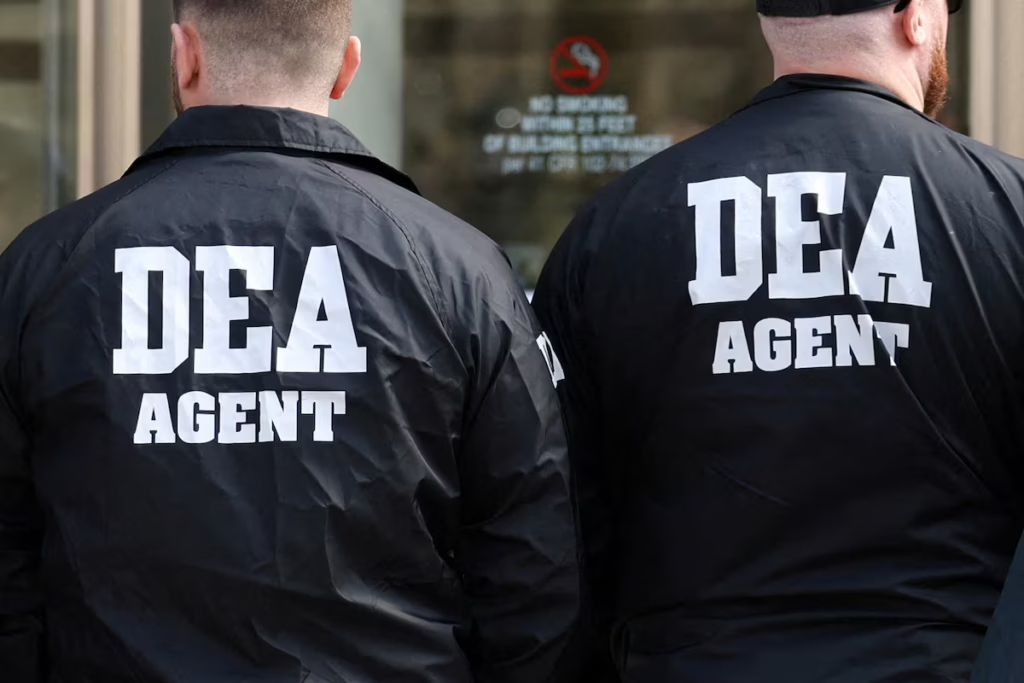
Bolivia has resumed its operational cooperation with the DEA, the US drug enforcement agency, after a 17-year interruption. The Bolivian government stated that this decision is part of a broader multinational strategy aimed at combating organized crime and drug trafficking.
This return marks a significant security realignment with the United States. Centrist President Rodrigo Paz has undertaken to reopen diplomatic channels with Washington, ending nearly two decades of tense relations between the two countries.
Interior Minister Marco Oviedo confirmed that DEA agents are once again working alongside Bolivian authorities. This decision effectively reverses the expulsion ordered in 2008 by former President Evo Morales, whose leftist administration had ended joint anti-drug operations.
At the time, the Morales government accused the DEA of interfering in the country’s internal affairs, which led to a lasting break in bilateral security cooperation. The restoration of this collaboration thus represents a political and strategic turning point for La Paz.
According to Marco Oviedo, this resumption of cooperation illustrates the Bolivian authorities’ willingness to strengthen international coordination against drug trafficking networks, in a regional context marked by the expansion of transnational criminal organizations.