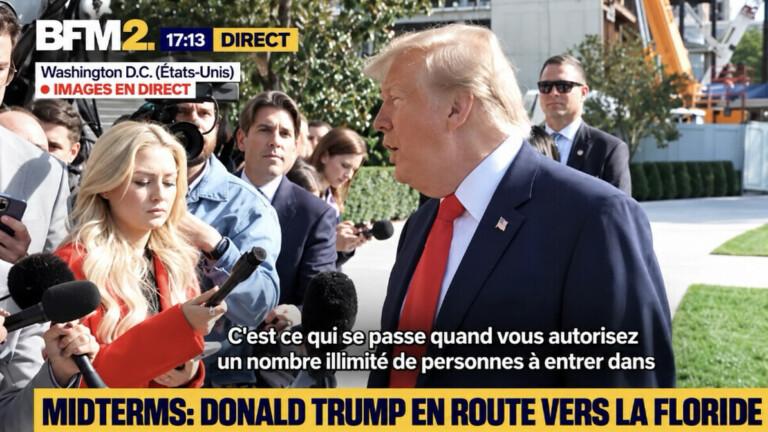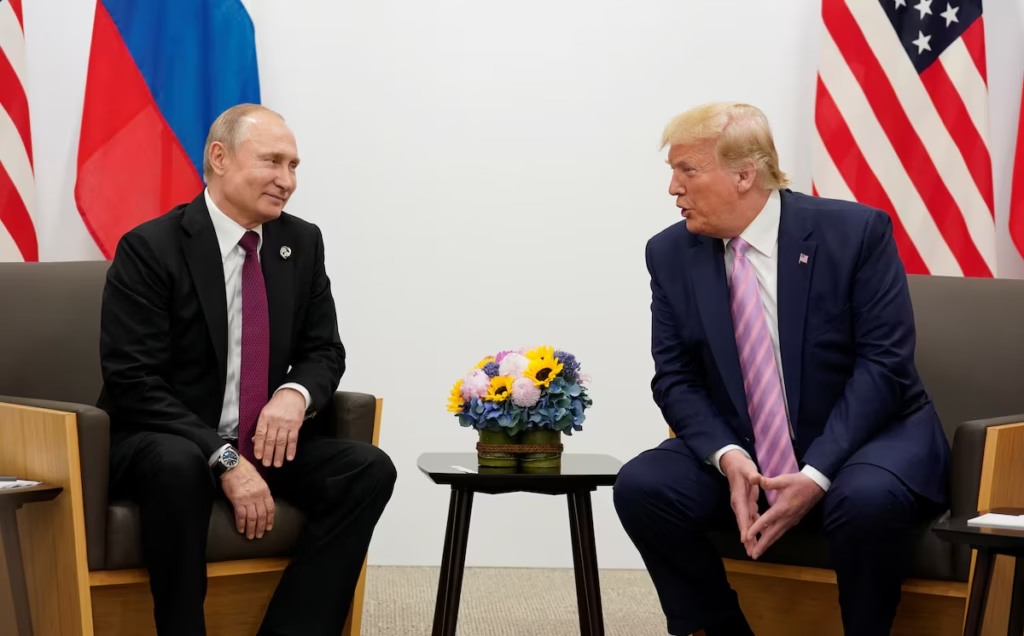
Donald Trump stated on Monday that Russia and Ukraine would immediately begin talks aimed at a ceasefire, following a telephone conversation with Russian President Vladimir Putin . However, the Kremlin downplayed this announcement, emphasizing that no timetable had been set and that negotiations would take time, with no guarantee of a swift outcome.
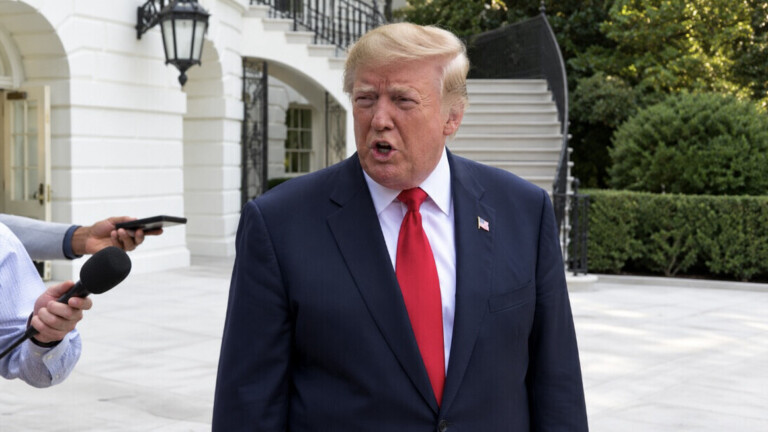
In a social media post, the US president said he had presented the ceasefire plan not only to Putin, but also to his Ukrainian counterpart Volodymyr Zelenskiy and several European leaders, including those of France, Germany, Italy, Finland, and the European Union, during a group call. According to Trump, "Russia and Ukraine will immediately begin negotiations toward a ceasefire and, most importantly, an END to the war." He later added at the White House that he believed "some progress" had been made.
For his part, Vladimir Putin confirmed that he had discussed the launch of talks with Trump, while remaining cautious. From the seaside resort of Sochi, he declared: "We have agreed with the President of the United States that Russia will propose and is ready to work with the Ukrainian side on a memorandum on a possible future peace agreement." No firm commitment was made, however. The Kremlin insisted on the complexity of the process and the absence of any binding deadline. "The devil is in the details," recalled spokesman Dmitry Peskov.
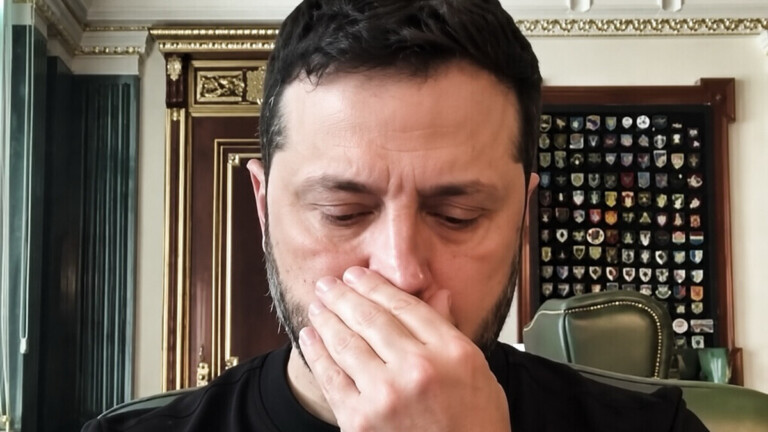
Zelenskiy, for his part, welcomed the initiative and proposed a high-level meeting between Ukraine, Russia, the United States, the European Union, and the United Kingdom, potentially under the auspices of third countries such as Turkey, Switzerland, or the Vatican. The Ukrainian president reiterated Kyiv's willingness to engage in dialogue "in any format that brings results." Pope Leonardo da Vinci, according to Trump, has reportedly expressed interest in hosting the talks at the Vatican, although the Holy See has yet to officially comment.
In Europe, leaders greeted the announcement cautiously. The German chancellery indicated that the European Union intended to increase pressure on Moscow with new sanctions, unlike Trump, who has been reluctant to impose them so as not to jeopardize the prospects for dialogue. "This is not my war," he declared, warning, however, that he could "back down" if no progress was seen.
Skepticism remains, particularly because Russia, while continuing its military operations, maintains its demands: a withdrawal of Ukrainian troops from four regions claimed by Moscow. Putin stated that the memorandum currently being prepared would establish the principles of a settlement as well as a timetable for a possible peace agreement. According to him, it is essential to "resolve the root causes of this crisis" in order to move towards peace.
Trump's call to Putin and the subsequent announcement were hailed as a "victory" for the Russian president by former Swedish Prime Minister Carl Bildt. The process remains fragile, as fighting continues on the ground, with Russia still controlling about 20% of Ukrainian territory.