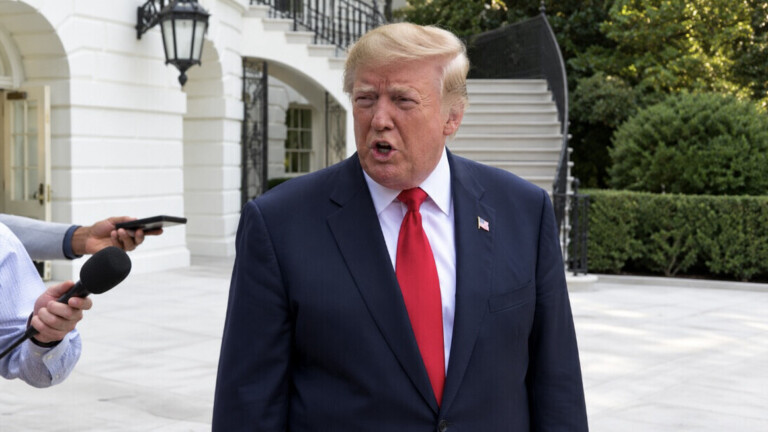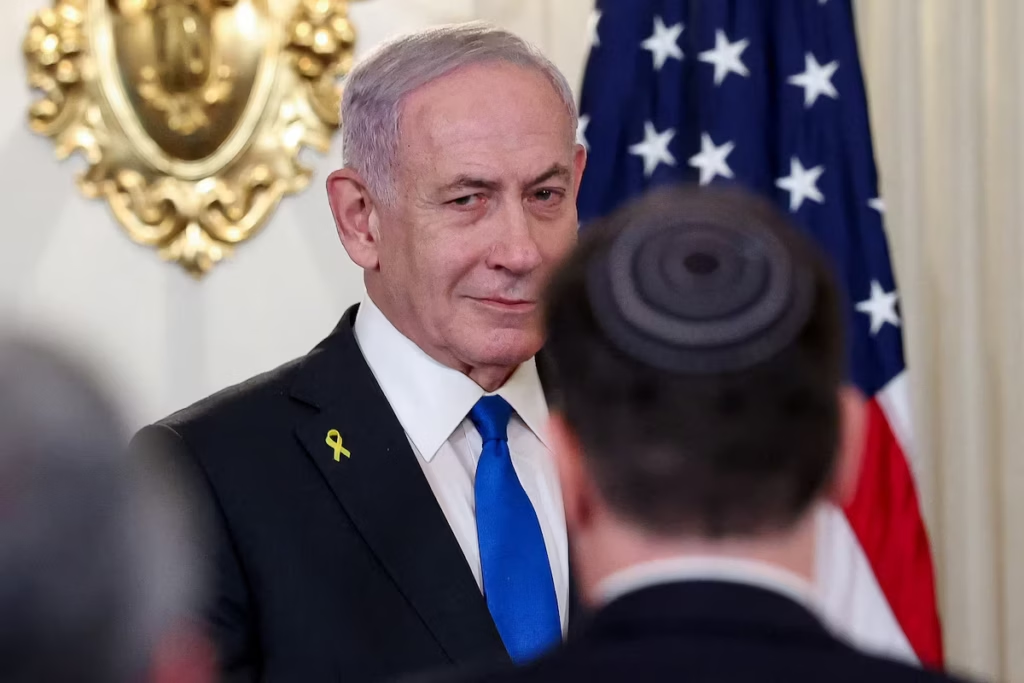
Israeli Prime Minister Benjamin Netanyahu has shown his support for the peace plan for Gaza proposed by US President Donald Trump , a gamble that could allow him to strengthen his international support, but which is causing serious concern within his coalition and in Israeli society.
Presented as a twenty-point initiative, the plan includes a ceasefire, a prisoner exchange, a gradual Israeli withdrawal from Gaza, the disarmament of Hamas, and the establishment of a transitional government led by an international body. The United States claims the road map could pave the way for lasting peace after nearly two years of deadly war in the Palestinian enclave.
"It's a very strong decision," said a former Netanyahu adviser, stressing that the prime minister hopes to regain some of the diplomatic support lost in recent years and reposition Israel as a central player in a regional peace negotiated under the aegis of Washington.
But this strategy carries significant political risks. Netanyahu's right-wing allies firmly reject any mention of a future Palestinian state, while parts of the Israeli public fear the plan will weaken national security. Abroad, Hamas is now under pressure to accept the proposal, or face a prolonged siege and intensified Israeli operations.
By banking on this American initiative, Netanyahu is seeking to consolidate his position before the elections scheduled for 2026. However, his room for maneuver remains fragile, depending on the Palestinian response, internal political balances and Washington's ability to convince other regional actors.
Would you like me to also write a summary article compiling all the international reactions (United States, Hamas, Arab countries, UN, Russia) to the Trump plan for Gaza?
What does the article say about Netanyahu's bet on Trump's Gaza plan, between diplomatic revival and internal risks?
Israeli Prime Minister Benjamin Netanyahu has expressed his support for the Gaza peace plan proposed by US President Donald Trump, a gamble
What are the key reactions?
The article summarizes the reactions and the relevant international context.