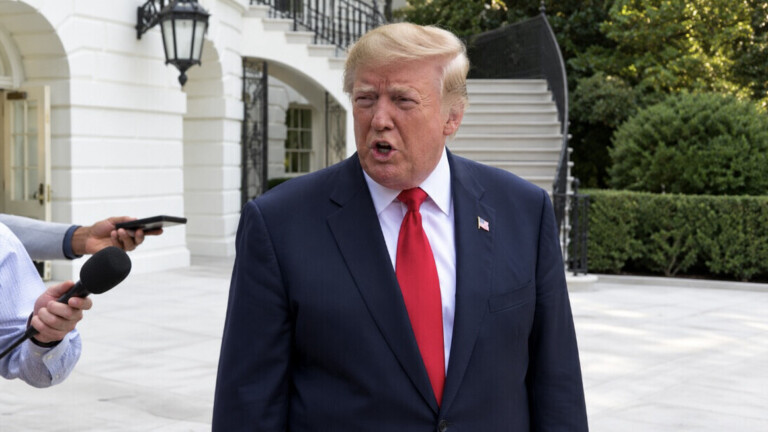
German Chancellor Friedrich Merz criticized a recent strategic document published by the US administration, which described Europe as facing "civilizational eradication." His remarks come amid rising tensions between European capitals and Washington, fueled by positions perceived as hostile to the continent's institutions and democracies.
The US national security strategy accuses European governments of "subverting democratic processes" and calls for fostering a "culture of resistance" within the European Union. These statements have raised concerns among several European officials, who see them as a direct challenge to their political sovereignty.
In response, Merz stated that some criticisms were understandable, but others were "unacceptable" from a European perspective. He argued that Europe must learn from these repeated tensions and strengthen its autonomy to become less dependent on the United States, particularly in strategic and security matters.
The Chancellor's remarks are part of a broader debate on the future of transatlantic relations and the European Union's ability to defend its interests in an international context marked by increased competition between great powers. For Merz, a more independent and united Europe is now a strategic necessity, not merely a political objective.