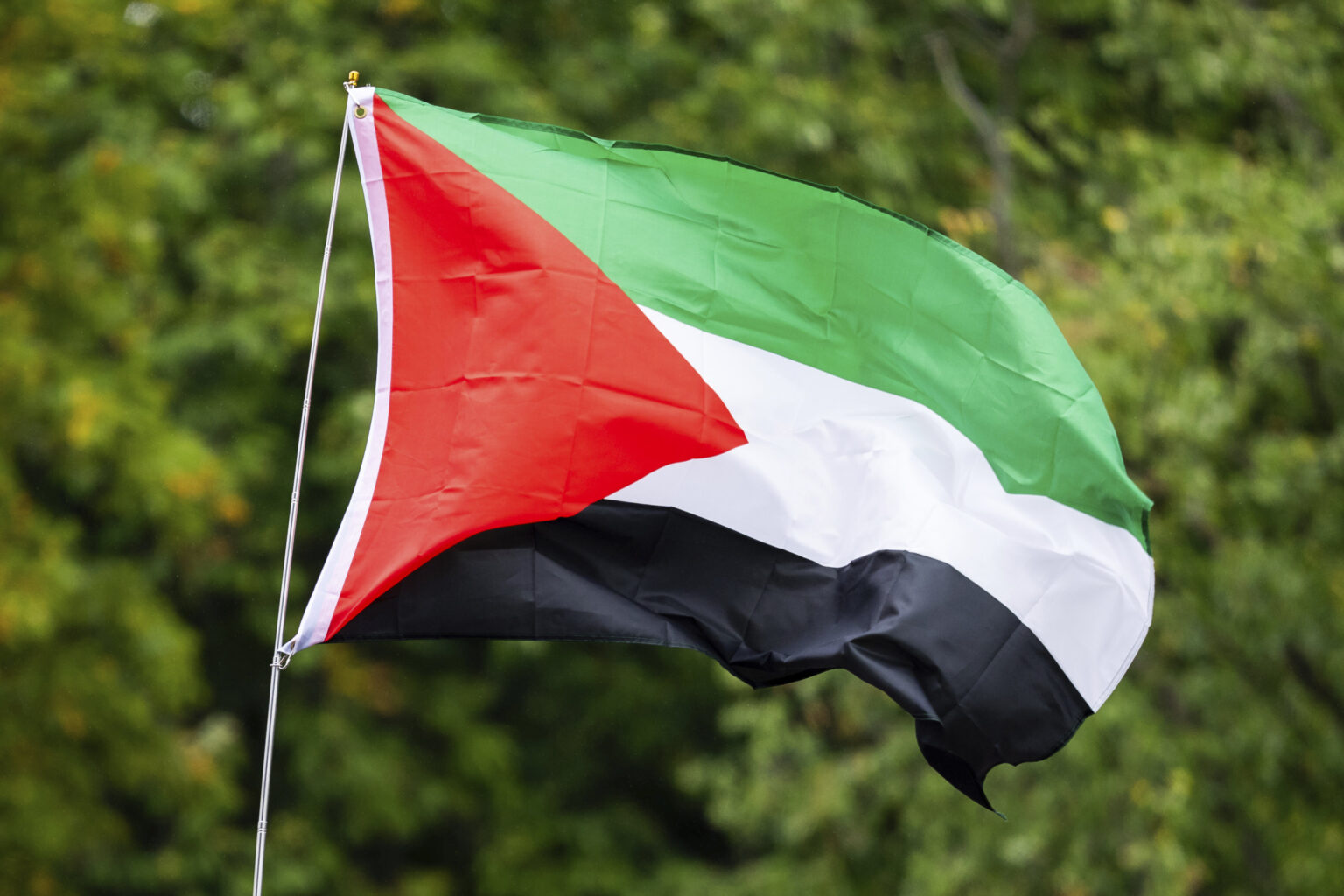
This Sunday marks a historic milestone in the Israeli-Palestinian conflict: the United Kingdom, Canada, and Australia have officially recognized the State of Palestine. This announcement came on the eve of the United Nations General Assembly in New York, where other countries, including France, are expected to follow suit. London, Ottawa, and Canberra have said they want to revive the prospect of a two-state solution and give new impetus to the peace process, as war rages in the Gaza Strip.
For the United Kingdom, this recognition has particular symbolic significance, as the country had administered Palestine under British rule before the creation of the State of Israel in 1948. British Prime Minister Keir Starmer stressed that this decision aims to restore hope to both Palestinians and Israelis, while reiterating that Hamas will have no role to play in the political future of Palestine.
For his part, Canadian Prime Minister Mark Carney said the current Israeli government was preventing any prospect of creating a viable Palestinian state. Australia, for its part, indicated that its decision was part of a coordinated international effort, calling for an immediate ceasefire in Gaza and the release of the hostages.
Palestinian reactions
On the Palestinian side, President Mahmoud Abbas welcomed the UK's recognition as a decisive step towards a just and lasting peace. According to him, this gesture paves the way for the practical implementation of the two-state solution, enabling coexistence between Israel and Palestine in security, peace, and good neighborliness.
Hamas, through Mahmoud Mardawi, also reacted, stating that this was a victory for the rights of the Palestinian people and the legitimacy of their cause. According to him, no occupation, whatever its crimes, can erase Palestinian national rights.
Israeli Anger and Firmness
In Tel Aviv, the Israeli government's reaction was immediate and particularly firm. Prime Minister Benjamin Netanyahu stated in a video message to Western leaders that recognizing a Palestinian state less than a year after the October 7, 2023 attacks constituted, in his view, a "reward for terrorism ." He asserted forcefully: "No Palestinian state will be established west of the Jordan River."
Finance Minister Bezalel Smotrich, for his part, called for a radical response: the annexation of the territories of Judea and Samaria (the West Bank) and the definitive abandonment of any idea of a Palestinian state. Several leaders of the Israeli nationalist right have also urged the government to apply Israeli sovereignty over the West Bank to counter this international decision.
Towards a diplomatic turning point?
This coordinated recognition by the United Kingdom, Canada, and Australia could mark a turning point in international diplomatic dynamics. France and a dozen other European countries are expected to follow suit at the UN General Assembly, thus accentuating Israel's isolation on the world stage.
As military operations continue in Gaza City and tensions remain high in the West Bank, this announcement rekindles the debate over the future of the peace process. Between Palestinian hopes for greater legitimacy and Israeli determination to oppose it, the recognition of the State of Palestine by three Western powers could well redraw the political balance in the Middle East.