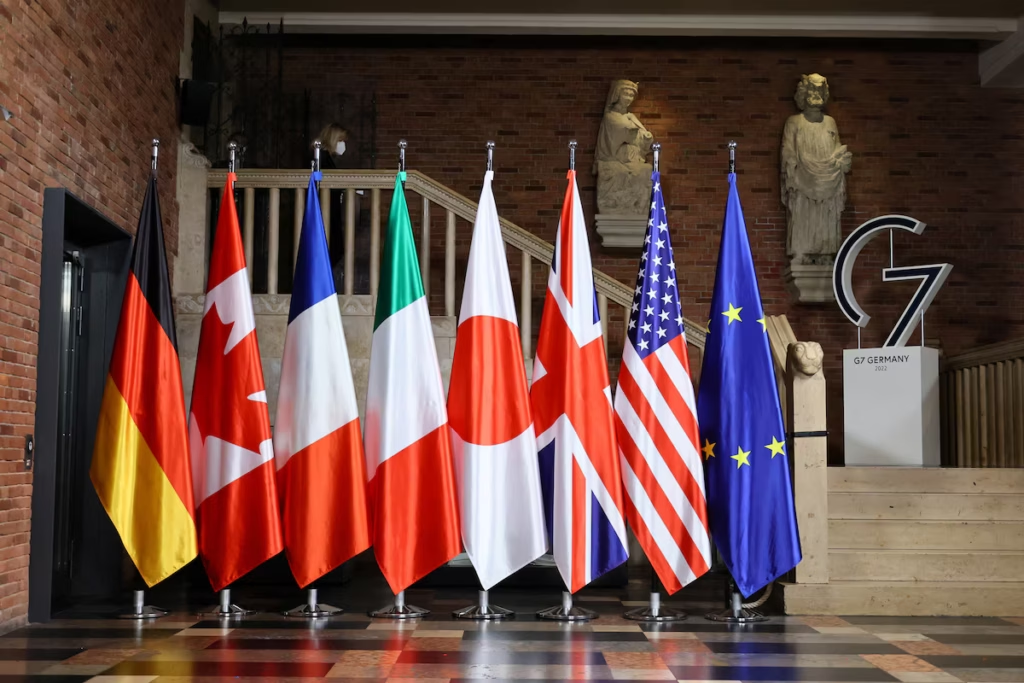
G7 finance ministers announced Wednesday their intention to increase economic pressure on Moscow by targeting countries and actors that continue to increase their imports of Russian oil or facilitate sanctions circumvention.
In a joint statement issued after a virtual meeting, they said they wanted to "target those who continue to increase their purchases of Russian oil since the invasion of Ukraine and those who facilitate circumvention" of the restrictions already in place. The statement also stated that the G7 members will take "concrete steps" to significantly reduce, and then phase out, their remaining imports of Russian hydrocarbons.
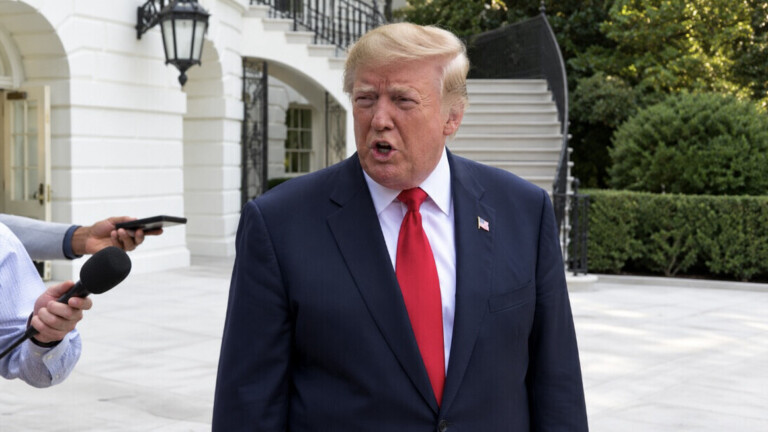
Without explicitly naming any countries, the text emphasizes that major Western powers are "seriously considering" using trade measures, such as tariffs or targeted import and export bans, against states deemed complicit in financing the Russian war effort. Washington has repeatedly urged its allies to impose tariffs on buyers of Russian oil, citing India and China, two countries that have remained cautious about the conflict. The Trump administration has already implemented tariff surcharges targeting New Delhi.
The G7 reiterated that its objective remained to dry up Moscow's energy revenues, the driving force of its economy and its military industry, while consolidating Western unity in the face of the invasion launched in February 2022. Moscow, which had already annexed Crimea in 2014, still controls part of Ukrainian territory today despite international sanctions and ongoing diplomatic efforts.
This new economic offensive adds to a series of measures already in force, but reflects the desire of the G7 powers to constantly adapt their pressure tools to the evolution of the conflict and the circumvention strategies employed by Russia and its partners.
What should we quickly remember?
G7 finance ministers announced on Wednesday their intention to increase economic pressure on Moscow by targeting countries and actors