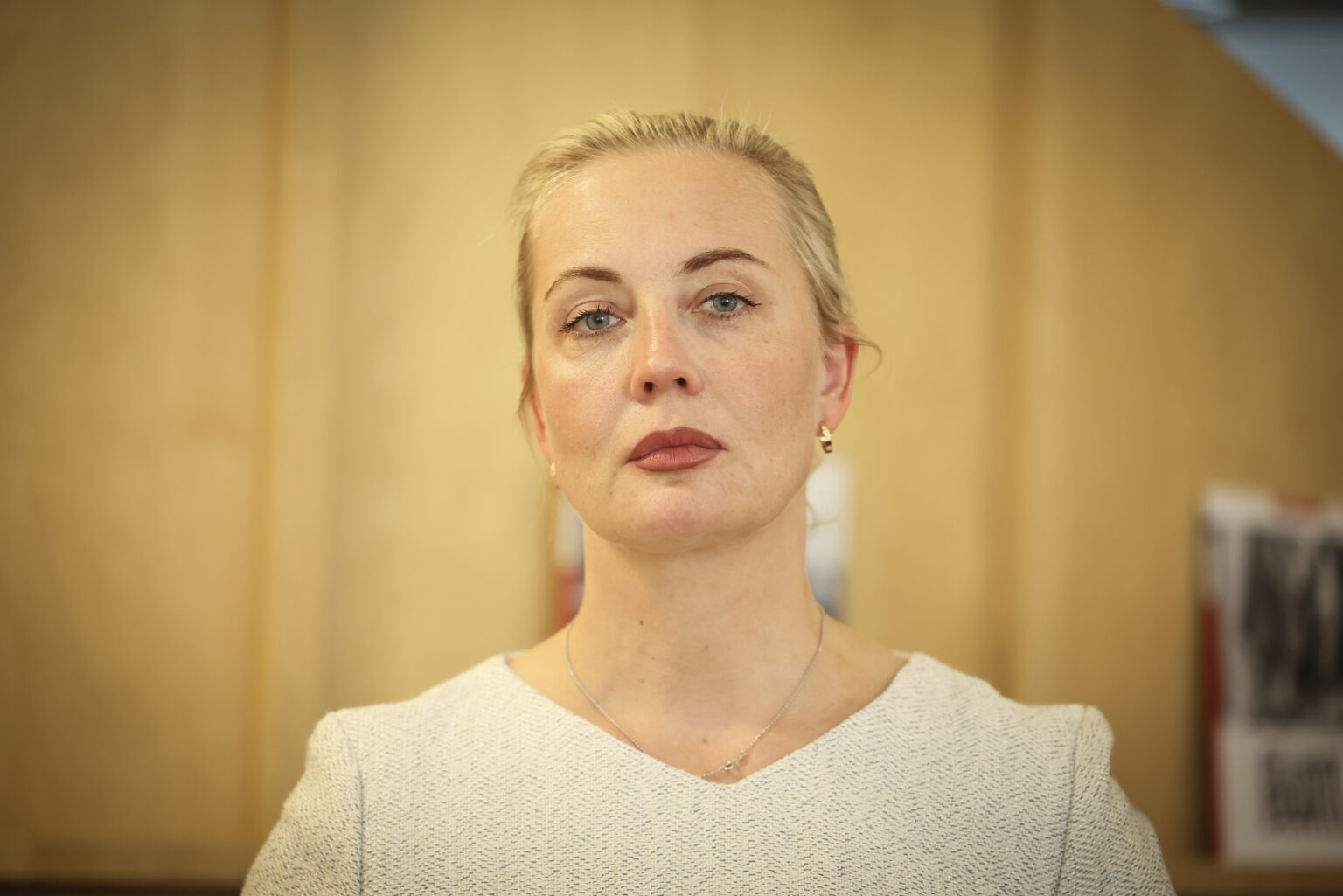
Yulia Navalnaya, widow of Russian opposition figure Alexei Navalny, claims that her husband was poisoned before his death in a Russian prison in February 2024. This revelation has renewed questions about the circumstances surrounding the death of the anti-corruption activist and leading figure in the opposition to the Kremlin.
Samples sent to Western laboratories
After Alexei Navalny died at the age of 47 in a penal colony in Kharp, in the Russian Arctic, biological samples were taken and sent to Western laboratories for analysis. According to Yulia Navalnaya, two independent laboratories confirmed that Alexei had been poisoned.
"He was lying on the ground, vomiting and screaming in pain."
Maria Pevtchikh, a close associate of Navalny, recounted that the opposition leader "was lying on the floor, vomiting and screaming in pain ," but that the guards offered him no immediate assistance. Photos of the cell, showing blood and vomit on the floor, were published to attest to the appalling conditions in which he died.
Direct accusations against the Kremlin
Leonid Volkov, Alexei Navalny's former right-hand man, accuses Russian President Vladimir Putin of orchestrating the opposition leader's assassination. He claims that, despite the suppression of some medical data, details of Navalny's final moments reveal deliberate poisoning.
A long history of poisonings
Alexei Navalny had already been poisoned in August 2020 with a Novichok-type nerve agent. After recovering in Germany, he returned to Russia in January 2021 and was immediately arrested. His death in prison came as he was serving a 19-year sentence on charges deemed politically motivated.
Navalny's body was not released to his family until several days after his death, reinforcing the suspicions of his supporters. The Kremlin denies any involvement, while the opposition leader's relatives and allies denounce a politically orchestrated murder and targeted poisoning.