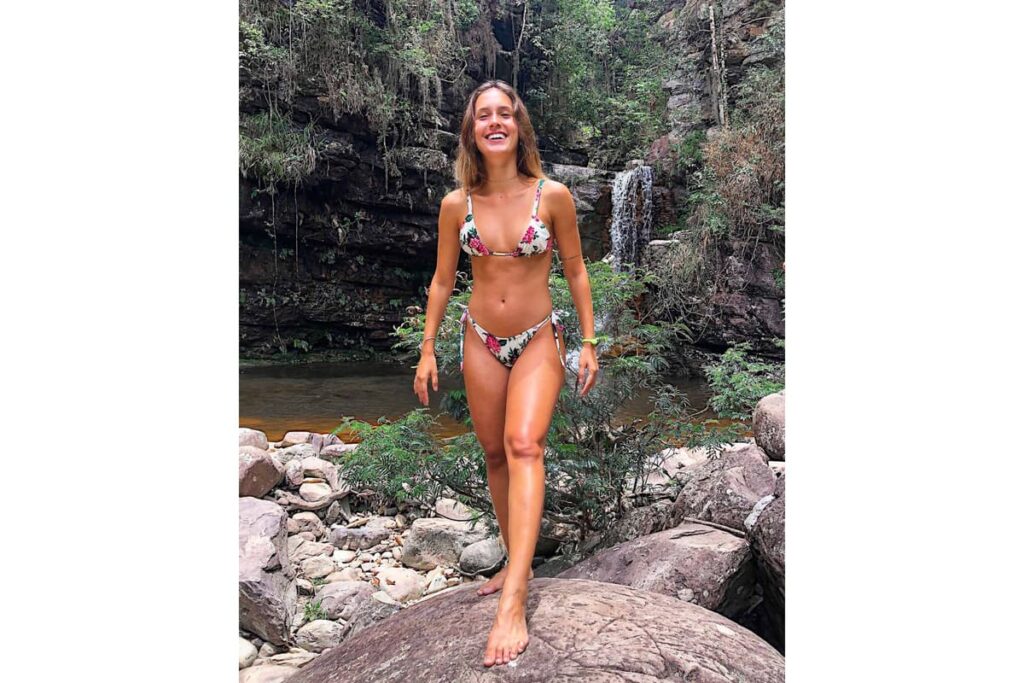
It's the downside of a social media queen. Melissa Said, a 23-year-old Brazilian influencer with a following of over 350,000 people on Instagram, has been arrested by the Bahia Civil Police. Her arrest ends months on the run after the dismantling of an alleged drug trafficking and money laundering network she allegedly ran between Bahia and São Paulo.
From hashtag to trafficking: the fall of a cannabis icon
Operation "Erva Afetiva"—a name ironically echoing the phrase "weed-loving" from her Instagram bio—led to raids on five of her properties. Investigators seized 1,4 kg of marijuana, 270 grams of hashish, packaging equipment, and two vehicles. Three other suspects were arrested during the raids, which revealed the hidden agenda of an Instagram account dedicated to promoting cannabis.
According to the director of the State Department for Drug Enforcement, Ernandes Junior, the influencer "promoted crime and drug use" in addition to "selling and distributing narcotics." The investigation, opened in 2024 after she was caught with drugs at an airport, reportedly revealed that she encouraged her followers to bypass police checkpoints and even distributed "kits" containing cannabis joints during the Christmas holidays.
The ambiguity of ambassador status
The Melissa Said case raises questions about the line between pro-legalization activism and illegal promotion. An ambassador for the Bem Bolado Brasil brand, which specializes in rolling papers, the influencer used her platform to advocate for the decriminalization of cannabis. But according to authorities, her activism masked very real criminal activities, with suppliers identified in São Paulo.
Her escape ended while she was hiding at a friend's house in Bahia, after initially evading police raids. The contrast is striking between her public image as an activist and the serious charges she now faces: leading an interstate trafficking ring and money laundering.
While the brand she represented claims to be "monitoring the situation closely," the Melissa Said case serves as a stark warning about the dangers of glorifying drugs on social media. It's proof that even the most widely followed influencers aren't above the law, and that the hashtag #WeedLoving can mask a far less glamorous reality.