Pakistani Prime Minister Shehbaz Sharif spoke by phone on Wednesday with Saudi Crown Prince Mohammed bin Salman, expressing Pakistan’s “full solidarity” following the Saudi airstrike conducted this week on the Yemeni port of Mukalla. According to an official statement, the two leaders also emphasized the importance of preserving regional peace through dialogue and diplomacy.
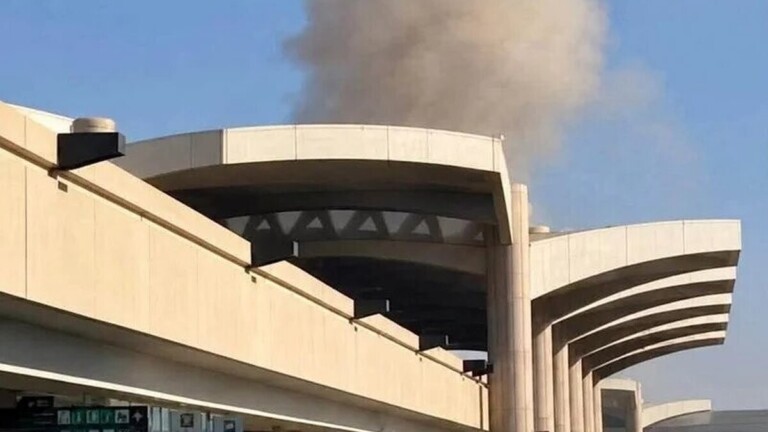
The exchange comes amid heightened tensions in Yemen, following the Saudi bombing of the port of Mukalla in the south of the country. Riyadh justified this strike by the arrival of a shipment of weapons from the United Arab Emirates, suspected to be intended for southern separatist forces, in a country already devastated by more than a decade of war.
A delicate diplomatic balance for Islamabad
This escalation places Pakistan in a sensitive diplomatic position. Islamabad maintains close relations with both Saudi Arabia and the United Arab Emirates. The day before his exchange with the Saudi Crown Prince, Shehbaz Sharif met with Emirati President Mohammed bin Zayed Al Nahyan during a visit to Rahim Yar Khan in the east of the country, with the stated aim of contributing to de-escalation between Riyadh and Abu Dhabi.
Pakistani authorities recalled that Saudi Arabia and Pakistan are linked by a mutual defense agreement signed in September, equating any attack against one of the two countries to an attack against the other. At the same time, Islamabad largely depends on its Gulf partners for its energy supply and vital financial support for its economy.
In a separate statement, the Pakistani Ministry of Foreign Affairs expressed concern over the resumption of violence in Yemen, warning against any unilateral action likely to worsen the conflict. Pakistan reaffirmed its support for the security of Saudi Arabia, as well as for the unity and territorial integrity of Yemen.
As rivalries between traditional allies risk opening a new front within the camp opposing the Houthi rebels, Islamabad’s stance illustrates the fragility of regional balances and the difficulty for key actors like Pakistan to preserve both their strategic alliances and Middle East stability.