

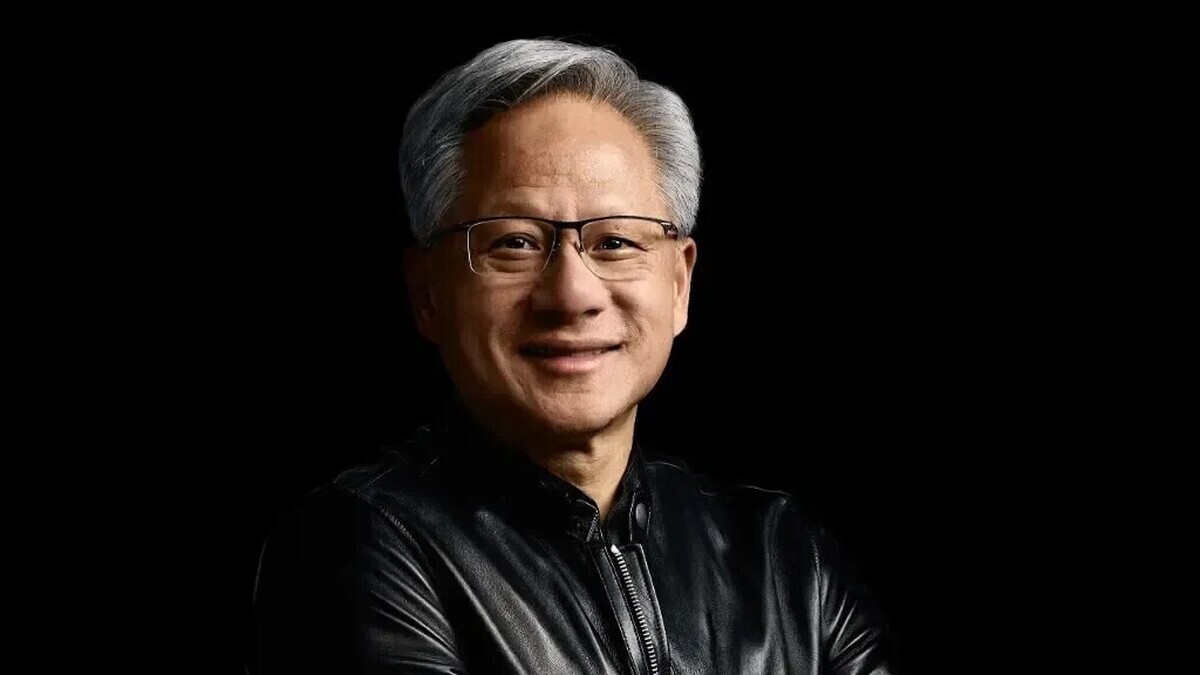
Nvidia shareholders have filed a class-action lawsuit against the American semiconductor giant and its CEO, Jensen Huang , accusing him of concealing his relationship with a woman suspected of being a Chinese intelligence agent. The case is shaking the world's leading manufacturer of artificial intelligence chips.
The lawsuit was filed Monday in federal court in San Jose, California , just minutes after the close of U.S. markets. Shareholders accuse Jensen Huang and Nvidia of misleading investors by concealing the risks posed to the company by the CEO's relationship with Alice Huang, a former executive of the Singaporean company Megaspeed, who is not related to him. According to the plaintiffs, the executives failed to disclose national security concerns that could threaten the company's reputation and business prospects. The amount of damages sought was not specified.
The affair came to light last month when the New York Times revealed that US authorities had concluded Alice Huang was a Chinese intelligence agent. Nvidia then announced on Sunday the launch of an independent internal investigation into reports of a foreign influence attempt targeting its CEO. Jensen Huang publicly acknowledged marital infidelity in an open letter, without naming the person involved. "I support the investigation and will fully cooperate," he wrote, adding that he was "determined to protect Nvidia and support US national security."
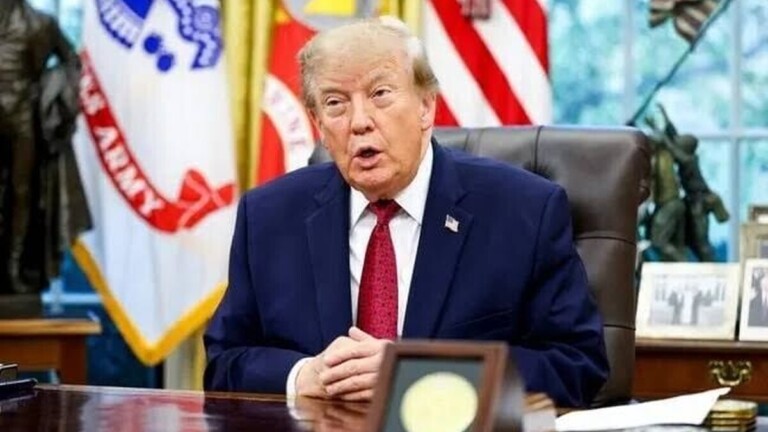
President Donald Trump confirmed Monday that the FBI had taken over the case, while expressing his support for the leader. He indicated that he had spoken with Jensen Huang earlier that day. "He told me he had absolutely no idea that the person in question was a spy," the US president told reporters. Beijing, for its part, categorically denied any espionage operation. "The accusation of Chinese espionage is baseless. These are nothing but slanders against China," stated Foreign Ministry spokesman Guo Jiakun.
The case takes on a particular dimension given Nvidia's central role in the technological competition between Washington and Beijing. The company, which Jensen Huang transformed from a manufacturer of video game graphics cards into a key supplier of artificial intelligence infrastructure, is at the heart of US export restrictions aimed at limiting China's access to cutting-edge chips. The CEO had advocated for a relaxation of these restrictions on the Chinese market, a position which, in light of current revelations, fuels questions about potential breaches of confidential information. Nvidia's stock closed down 4,3% on Monday.








Respond to the article
Be the first to comment on this article.