Tunisian President Kaïs Saïed has extended the state of emergency in effect in the country by 11 months, until December 31, according to a decree published Friday in the Official Journal.
Tunisia has been under a state of emergency almost continuously since 2015, following an attack that claimed the lives of several members of the presidential guard. This exceptional regime grants authorities broad powers, notably regarding security, public gatherings, and administrative control.
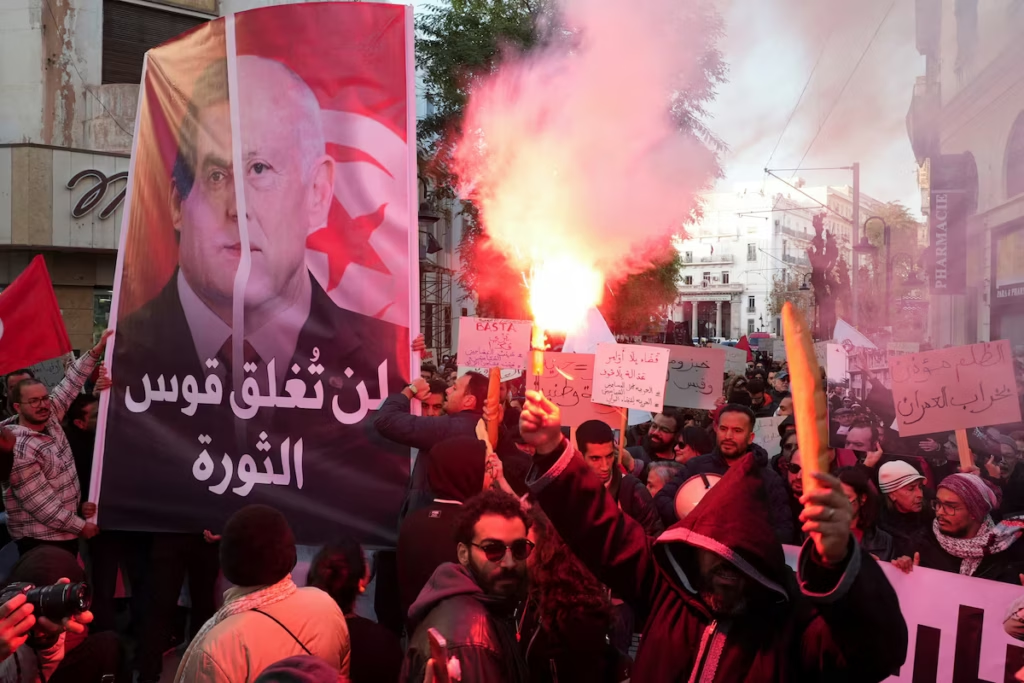
This decision comes amid a tense political context, marked by persistent opposition to presidential power. Since summer 2021, Kaïs Saïed has concentrated most executive and legislative powers, a development denounced by his opponents as an authoritarian drift.
Political parties, civil society organizations, and human rights activists believe that the extension of the state of emergency contributes to restricting public freedoms and limiting the space for political debate. Authorities, for their part, justify this measure by the necessity to preserve national security.
The announced extension thus maintains an exceptional legal framework in a country facing deep political, economic, and social difficulties, while the opposition continues to call for a return to normal democratic institutional functioning.