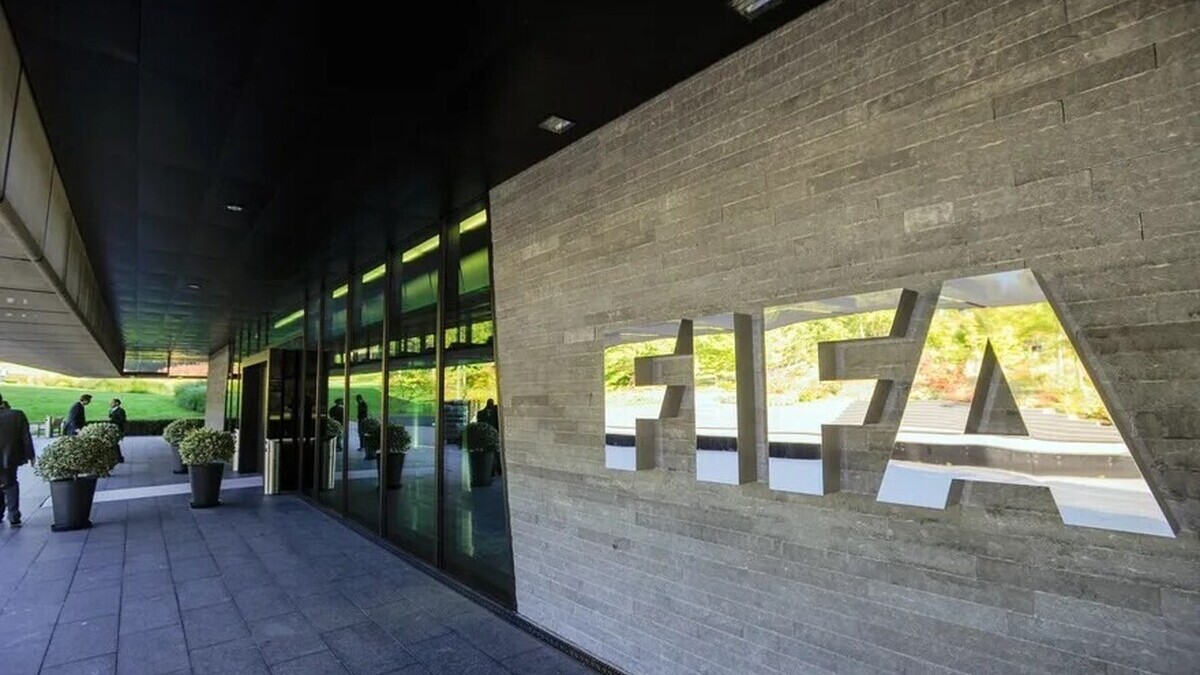
World football's governing body has confirmed it suffered a cyberattack that led to the compromise of personal and professional data. A ransomware group has claimed responsibility for the attack and has already released some of the stolen data online.
FIFA has officially acknowledged being the target of a cybercrime attack. A spokesperson for the federation stated that the organization had "been the victim of a cybercrime attack resulting in unauthorized access to a limited number of personal and professional data," adding that the relevant authorities, including law enforcement agencies, had been notified.
The federation strongly condemned "the unlawful obtaining and publication of information, in particular personal data," stating that "such acts constitute a serious and unacceptable violation of privacy and can have significant consequences for the individuals concerned."
The attack was claimed by a previously little-known group, the Handsome Boys Hacking Club, which specializes in ransomware attacks. This group added FIFA's name to its list of victims, published on its website hosted on the Tor network, a week before the federation publicly confirmed the incident. The same group claims to have also compromised the systems of the American telephone operator Frontier Communications, the hospital group UCHealth, and the arms manufacturer Smith & Wesson.
According to the hackers, the stolen data includes identity and immigration documents, information relating to executives, as well as financial, legal, and internal files. A 12,2-gigabyte archive has already been made accessible online. FIFA, while confirming the hack, has not validated all of the group's claims regarding the nature and volume of the data involved.
Sources close to the investigation indicate that the attackers used identity theft: by impersonating FIFA employees via email, they managed to deceive genuine staff members of the organization. The volume of data actually stolen represents less than 0,1% of all the information held by the federation.
Anyone who has had any contact with FIFA, particularly regarding the purchase of tickets for competitions, is urged to be extra vigilant. Stolen data is frequently used to create personalized fraudulent messages designed to steal login credentials or bank details.
Sources cited in the article Handsome Boys Hacking Club · Site Tor du Handsome Boys Hacking Club