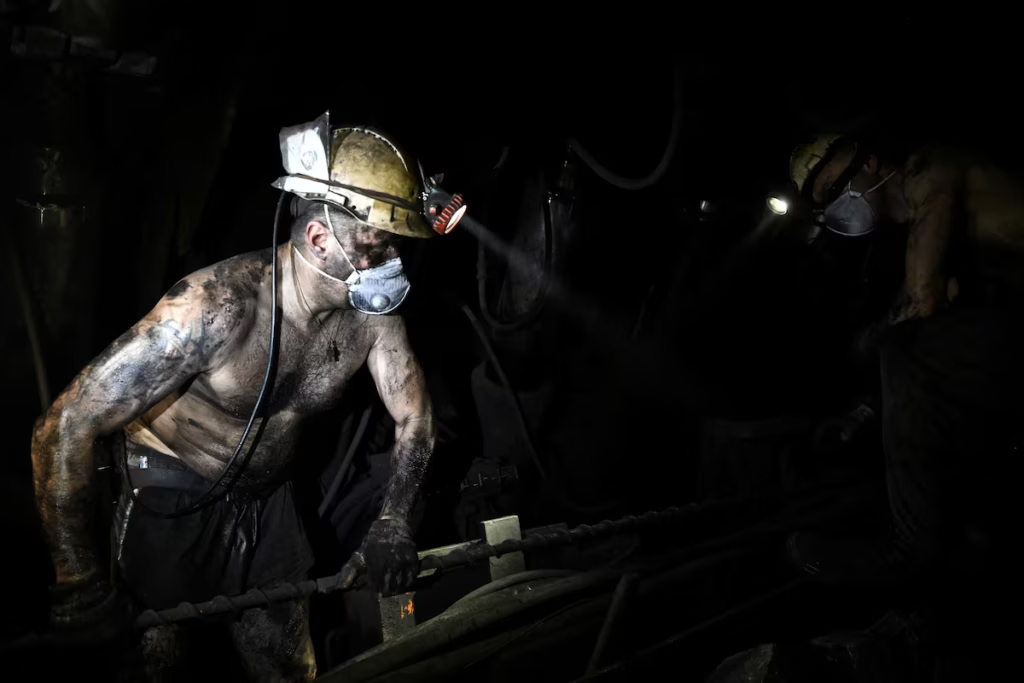
The Czech Republic is about to turn a major page in its industrial history with the closure, at the end of January, of the last active coal shaft. Located in Stonava, near the Polish border, the CSM mine marks the end of more than 250 years of deep mining in the Ostrava basin, long the energy and steel heart of Central Europe.
The last tons of coal are currently being extracted several kilometers underground, amid a context of falling global prices and structural decline in demand. The European energy transition, combined with the decline of heavy industry, has made this activity increasingly unviable, despite a temporary reprieve granted after the energy price surge following Russia’s invasion of Ukraine in 2022.
For miners, this closure carries strong symbolic weight. Many describe a demanding profession but one that carries identity and solidarity. Some are considering retraining, while others look towards neighboring Poland, where coal extraction continues and benefits from long-term political commitments.
The public operator OKD emphasizes that the increasing depth of the galleries has caused extraction costs to skyrocket, making the shafts uncompetitive compared to imports and alternative energies. Nationalized after a high-profile bankruptcy about ten years ago, the company has seen its production and workforce drastically decline, from tens of thousands of miners to just over 2,000 employees today.
The Ostrava region, shaped since the late 18th century by coal and steel, has already undergone several waves of deindustrialization since the fall of communism. While the 1990s were marked by massive job losses, the situation gradually stabilized thanks to retraining programs and the arrival of foreign investors, notably in the automotive and manufacturing industries.
Nevertheless, the mining legacy leaves heavy environmental damage, with polluted soils and old infrastructures to rehabilitate. The region benefits in this regard from European funds dedicated to a just transition, aimed at supporting the economic and ecological reconversion of territories affected by decarbonization.
OKD now intends to look to the future by developing surface activities, ranging from residual coal trading to innovative projects such as a battery park, a data center, or a plant using methane from old shafts. An attempt to redefine the identity of a company and a territory, at the moment when an industry that shaped entire generations is definitively extinguished.