Long marginalized on the international stage, Pakistan is now establishing itself as a central player in mediation efforts surrounding the conflict involving Iran. This rapid transformation is largely attributed to the influence of the army chief, Asim Munir, who has become a key figure in regional diplomatic balances.
Just a year ago, Islamabad was diplomatically isolated. Today, the country plays an intermediary role between the United States and Iran, seeking to promote de-escalation in a conflict with global repercussions. This evolution is part of a broader strategy aimed at restoring Pakistan’s international credibility.
The rapprochement with Washington illustrates this repositioning. Marshal Asim Munir has increased exchanges with U.S. President Donald Trump, even participating in a one-on-one lunch at the White House, an unprecedented event. Furthermore, Pakistan handed over to U.S. authorities a suspected Islamic State suicide bomber accused of killing American soldiers, thereby strengthening its security cooperation.
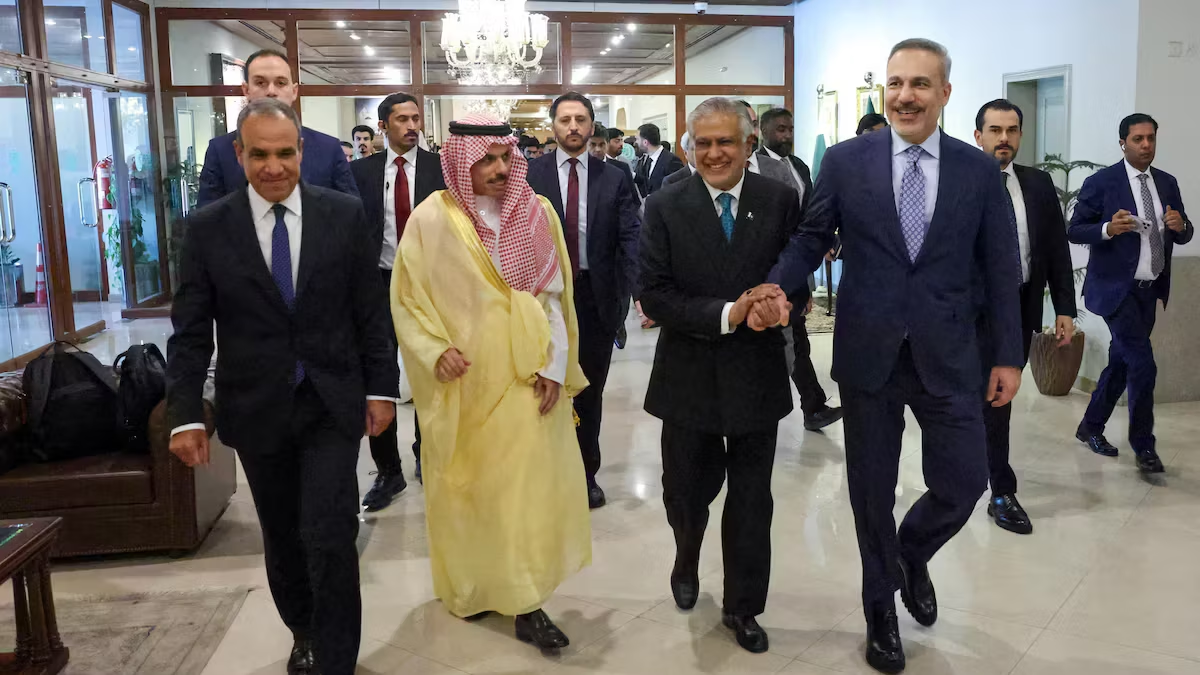
Diplomatically, Islamabad has launched a broad dialogue offensive with several regional and international powers. The country notably hosted discussions bringing together officials from Egypt, Saudi Arabia, and Turkey, aiming to promote de-escalation in the Middle East.
At the same time, Pakistan is consolidating its economic and strategic relations with China, its main ally. These partnerships reflect a desire to diversify and strengthen its influence beyond the security domain alone.
Despite these advances, this new position remains fragile. Internal economic pressures, regional tensions, and the complexity of the Iranian conflict could quickly test this dynamic. Nevertheless, Pakistan’s rise as a mediator marks a significant turning point in current geopolitical balances.