Cuba has presented an emergency plan to protect essential services and ration fuel, as Washington tightens measures to cut the island’s oil supply. Cuban authorities say they want to prioritize the operation of hospitals, schools, public transport, and the electrical grid, in a context of already severe shortages.
These announcements come after statements by US President Donald Trump, who threatened to impose tariffs on countries exporting fuel to Cuba. The White House also hinted that new restrictions could increase economic pressure on the Cuban government, already facing a deep crisis.
The authorities of Cuba indicated that rationing would first affect non-essential sectors, while strategic activities would continue to operate thanks to priority fuel allocations. The government is also relying on energy savings, reducing administrative travel, and adapting working hours.
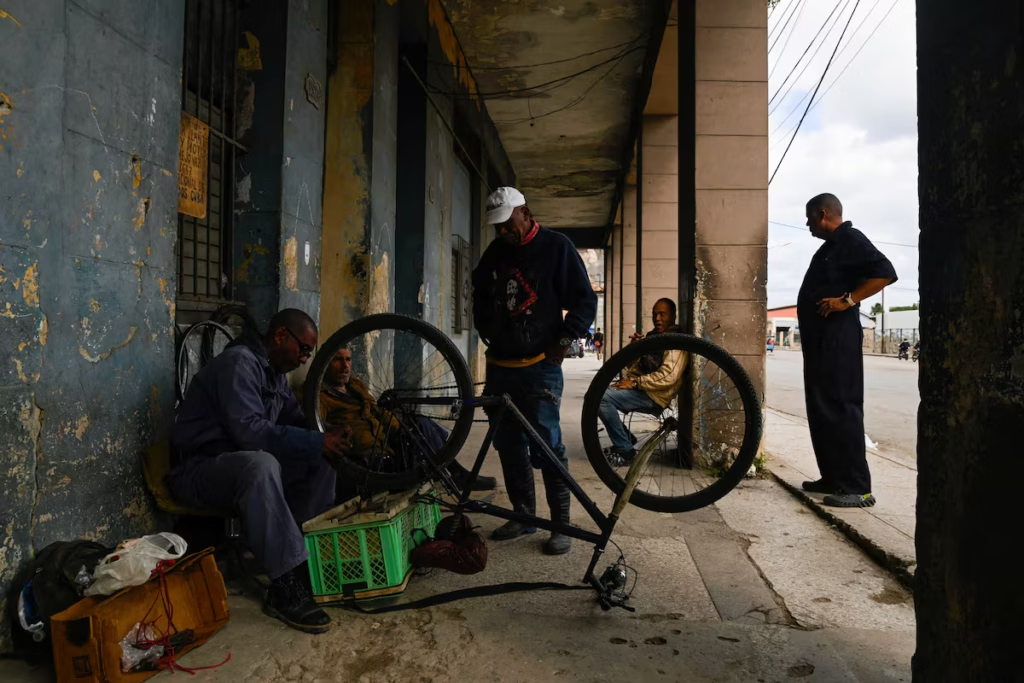
In Havana and other major cities, residents are preparing for new difficulties. Lines at gas stations have lengthened in recent days, and many Cubans are turning to bicycles or alternative means of transport due to fuel scarcity. Power outages, already frequent, could also intensify.
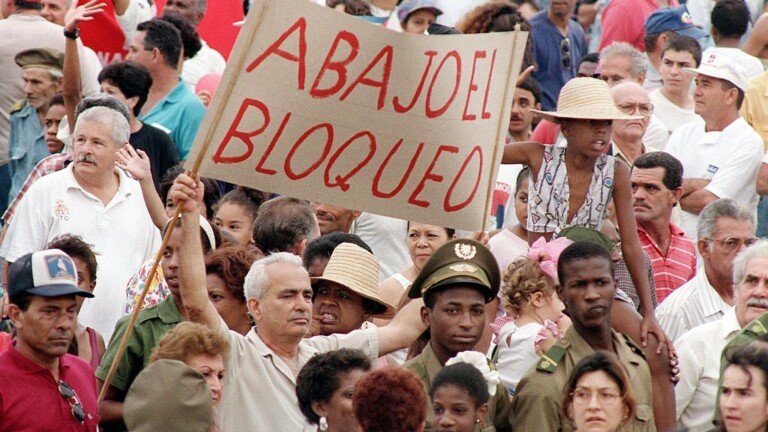
Cuban officials denounce what they call an “economic blockade” and believe that US measures worsen shortages of food, medicine, and energy. They claim the goal is to politically pressure the island, to the detriment of the population.
Meanwhile, Washington maintains that the economic pressure targets the Cuban government and not civilians. In the meantime, the Caribbean island strives to maintain its vital services while calling on its international partners to continue energy exchanges despite threats of US sanctions.