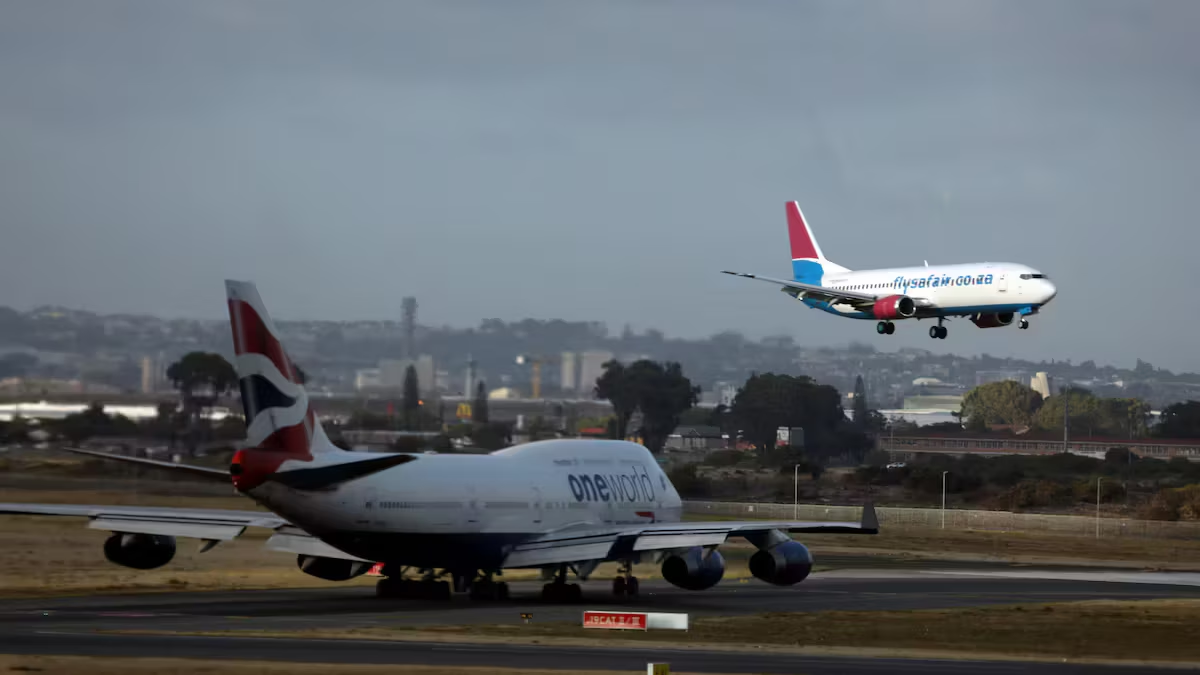
The surge in kerosene prices, caused by the war involving the United States, Israel, and Iran, is putting pressure on airlines, especially in Africa, where fuel supply heavily depends on the Strait of Hormuz, currently disrupted.
Since the conflict began in late February, the transport of oil and refined products from the Middle East has been significantly slowed due to the closure of this strategic passage. This situation has removed about one-fifth of global oil and liquefied natural gas supplies from the market.
The African continent is particularly exposed to these disruptions. According to S&P Global, nearly 70% of kerosene imports in Africa transit through the Strait of Hormuz, making the region vulnerable to price fluctuations and shortages.
Faced with this situation, airlines must cope with extremely volatile costs. Some are already passing these increases on to passengers through surcharges, while others are trying to adapt to an unpredictable market.
« When you arrive, the price will have changed, » summarized Jannie de Klerk, head of a South African airline, describing a context where fuel prices can vary rapidly from one airport to another.
This instability complicates flight planning and threatens the profitability of the aviation sector, especially for regional operators. It could also lead to a widespread increase in ticket prices, directly affecting travelers.
Beyond air transport, this crisis illustrates the global impact of the conflict on energy supply chains. It highlights the dependence of many regions on strategic maritime routes, whose disruption can have immediate consequences on the global economy.