

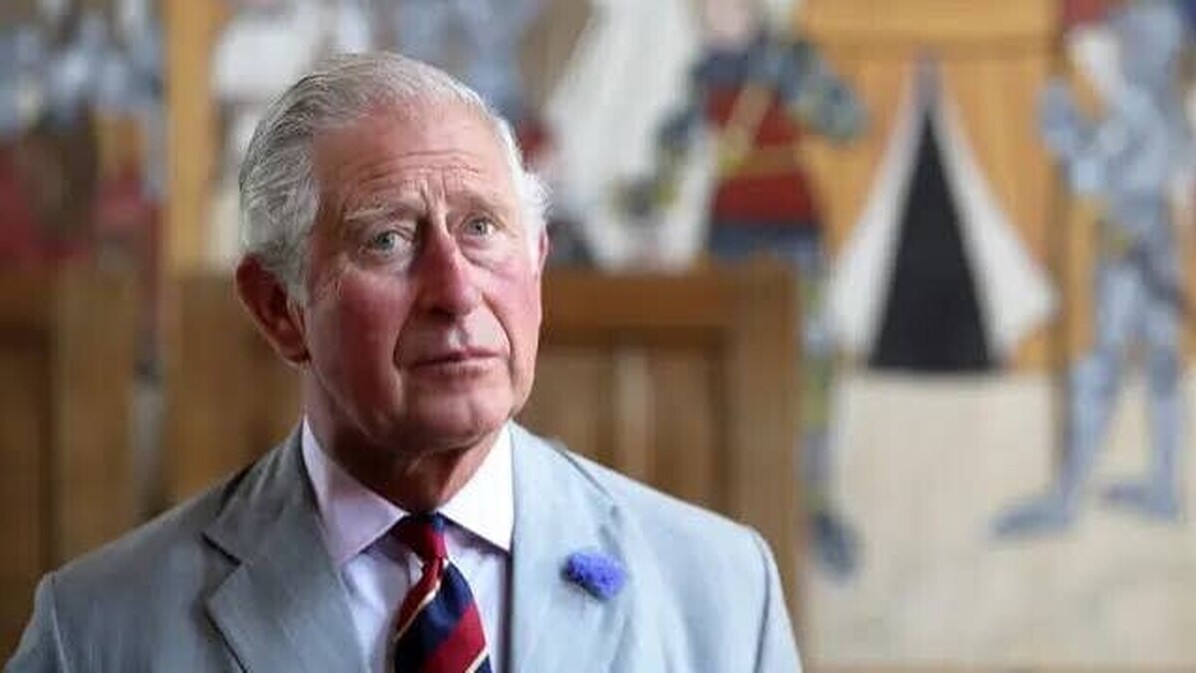
King Charles III could make a state visit to China, a diplomatic prospect unprecedented in forty years for the British monarchy. According to a senior Buckingham Palace official, the sovereign would be willing to carefully consider a possible request from the British government. This statement, made public this weekend, marks a shift in the monarch’s attitude towards Beijing. Long critical of Chinese authorities, notably on the Tibetan issue and human rights, Charles III now seems to prioritize the diplomatic obligations linked to his role. However, no official invitation or trip has been announced at this stage.
Such a visit would be a historic event. In October 1986, Queen Elizabeth II became the first reigning British sovereign to visit China, accompanied by Prince Philip. This trip, organized two years after the signing of the Sino-British declaration on Hong Kong’s future, symbolized a period of rapprochement between London and Beijing. Forty years later, Charles III could become the second British monarch to make a state visit to the country. A royal official nevertheless emphasized the complexity of such an initiative, given the many political and diplomatic disputes between the two powers.
A diplomatic evolution despite tensions between London and Beijing
Charles III’s personal relations with China have long been delicate. When he was Prince of Wales, he maintained close ties with the Dalai Lama, the Tibetan spiritual leader in exile, arousing suspicion from Chinese authorities. In 1997, he represented the British monarchy at the handover of Hong Kong to China, a historic event during which he met President Jiang Zemin. Private writings made public several years later revealed his particularly harsh criticisms of Chinese communist leaders. In 2015, during President Xi Jinping’s state visit to the United Kingdom, Charles received the Chinese leader at Clarence House but did not attend the official banquet held at Buckingham Palace.
This possible opening comes as the British government seeks to restore a more constructive dialogue with Beijing. Tensions remain numerous, notably concerning freedoms in Hong Kong, the situation of the Uyghurs, espionage accusations, and national security issues. London nevertheless wishes to preserve its commercial interests and maintain cooperation on certain international matters, particularly climate and economic stability. Prime Minister Andy Burnham is thus pursuing a cautious rapprochement policy initiated by his predecessor Keir Starmer. A visit by Charles III could become an important instrument of this strategy, giving symbolic weight to the dialogue between the two countries. The decision would, however, depend on a governmental initiative and thorough diplomatic preparation, the sovereign being bound to political neutrality in the exercise of his functions.









Respond to the article
Be the first to comment on this article.