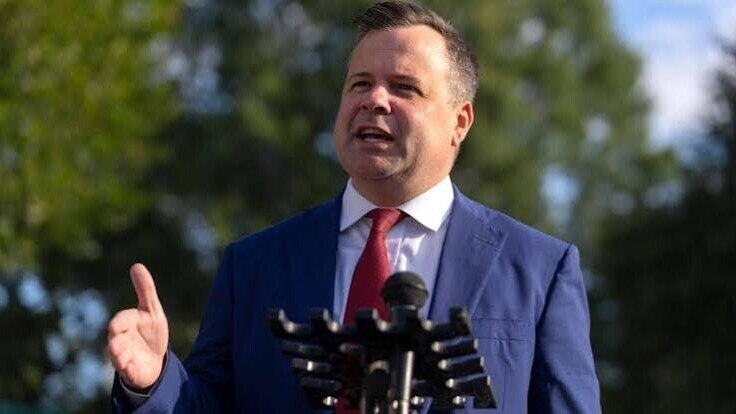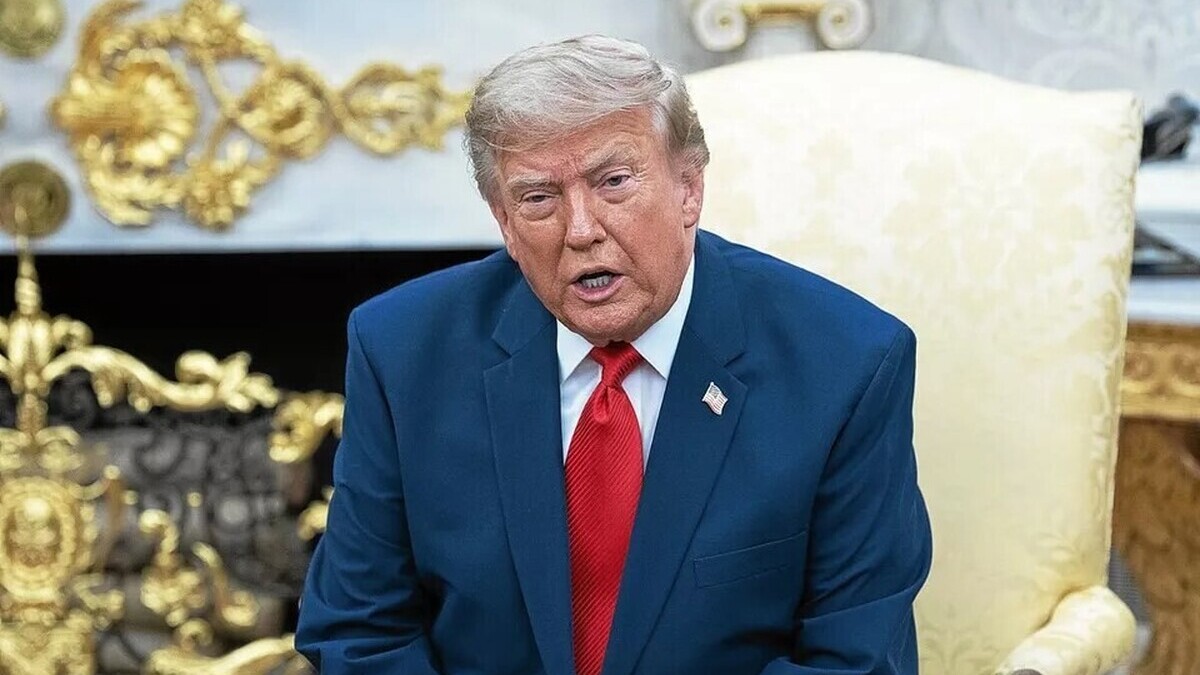
A lawyer for the U.S. Department of Commerce reportedly ordered Intel's chief financial officer to relinquish 10% of the company to the federal government by August 2025, without any possibility of negotiation. These facts, revealed through legal proceedings, illustrate an unprecedented form of coercion against a leading semiconductor company.
The details are recorded in internal memos filed in a federal lawsuit: in August 2025, a lawyer at the U.S. Department of Commerce , David Shapiro, contacted Intel's chief financial officer with an unambiguous demand. The U.S. government wanted a 10% stake in the chipmaker, and it intended to acquire it quickly.
According to the summary of this phone call, prepared for Intel's board of directors, Shapiro explicitly warned his interlocutor not to make "the mistake of thinking this is a negotiation." The official reportedly added that the US president intended to announce an agreement "on Friday," implying that the timeline was set unilaterally.
The lawyer acknowledged that the board of directors remained free to reject the offer, but immediately added that such a rejection "would have unforeseen consequences." This wording, in the context of an unsolicited government initiative, is more akin to a warning than simple information.
These revelations raise profound questions about the methods used by the Trump administration to interfere in the governance of major private companies in the strategic semiconductor sector. Intel, whose factories are located in the United States as well as in Europe, notably in Ireland and Germany , is a central player in global supply chains for electronic components. Any forced public takeover of its capital would have repercussions far beyond American borders.
The case is now before the federal courts, which has led to the release of these internal documents. The exact nature of the dispute and the subsequent actions taken by the government have not been specified in the information available at this stage.
Sources cited in the article Notes internes versées au dossier du procès fédéral · Résumé de l’entretien préparé pour le conseil d’administration d’Intel