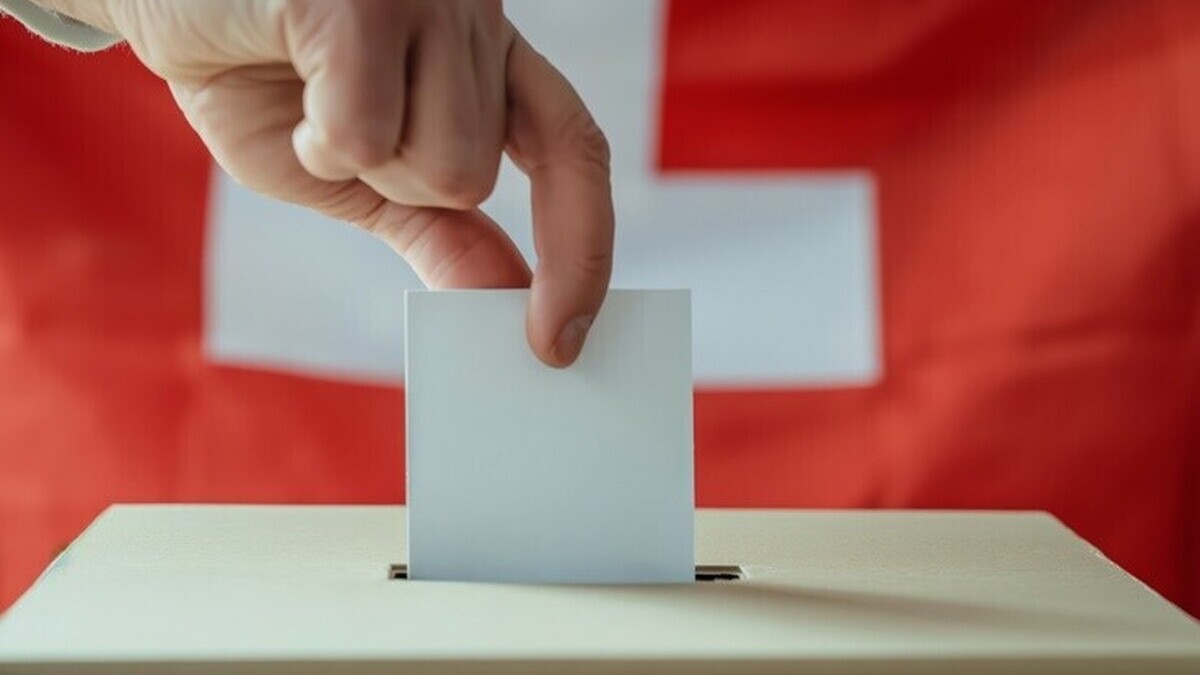
Swiss citizens are called to the polls this Sunday, November 29, to vote on a reform of the legislation governing military equipment exports. Supported by the Federal Council and contested by several left-wing parties, the text revives the debate on Swiss neutrality and the future of its defense industry.
The referendum concerns an amendment to the Federal War Material Act adopted by Parliament. Currently, Switzerland imposes significant restrictions on arms exports, especially when recipient countries are involved in an armed conflict. The new measure aims to relax these conditions for certain partner states, provided that exports remain compatible with Swiss neutrality and national security interests.
This reform comes amid profound changes in European defense policy since the beginning of the Russo-Ukrainian conflict. Several European partners of the Confederation have criticized Swiss restrictions, which notably prevented the re-export to Ukraine of military equipment manufactured in Switzerland. Bern now seeks to have additional leeway in its relations with its partners.
Swiss neutrality at the heart of the debates
The Federal Council considers the reform necessary to preserve the country’s industrial and military capabilities. According to its supporters, maintaining a competitive defense industry requires facilitating exchanges with foreign partners. The easing of rules would also strengthen international cooperation without formally calling into question the Confederation’s neutrality status.
Opponents of the text argue, on the contrary, that this reform risks weakening the safeguards surrounding the use of weapons produced in Switzerland and compromising the traditional principles of its foreign policy. They particularly fear that Swiss military equipment could be transferred to conflict zones. The vote will thus determine the direction the Confederation intends to give to its arms export policy in the coming years.