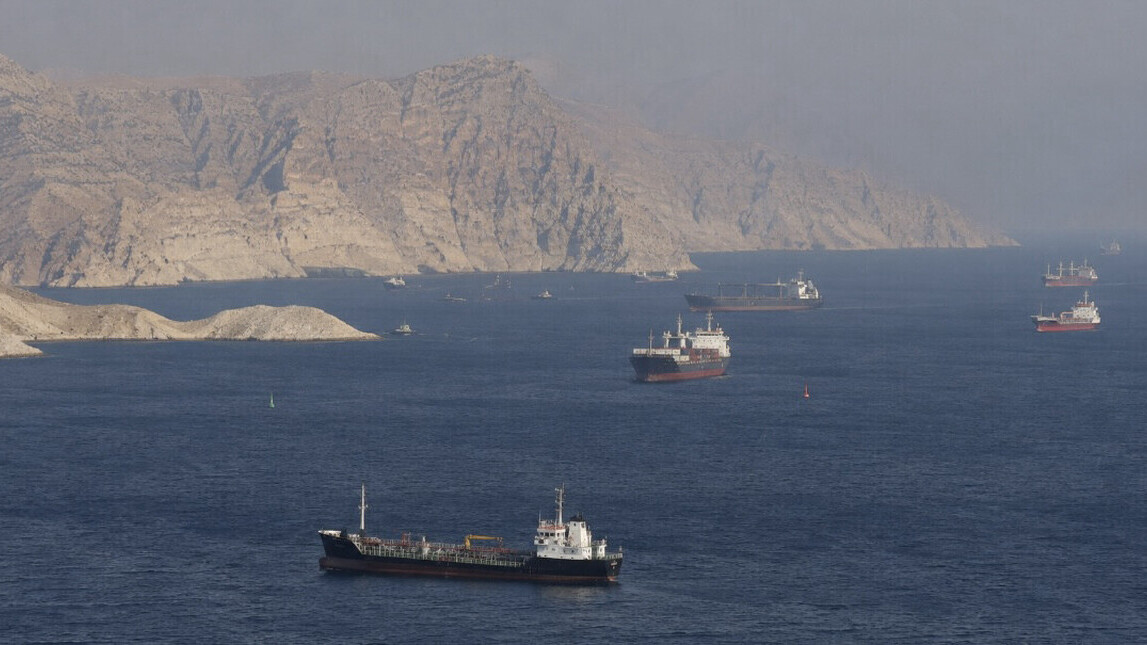
Tehran claims to have again closed the Strait of Hormuz to maritime traffic, in response to Israeli strikes in Lebanon. However, at this stage, the passage of ships is not completely interrupted. Commercial vessels still crossed this strategic route on Saturday.
Tehran toughens its stance
The Iranian military command announced on Saturday, June 20, the closure of the Strait of Hormuz, accusing the United States and Israel of violations related to the ceasefire in Lebanon. The Revolutionary Guards then warned ships not to approach this maritime zone, essential for global hydrocarbon transport. Iran presents this decision as a first measure. Tehran states that further actions could follow if Israeli strikes in Lebanon continue.
The strait is not completely blocked
The closure announced by Iran does not currently mean that all maritime traffic is effectively stopped. Washington states it has observed no Iranian military movement corresponding to a complete closure of the strait. The U.S. command indicates that 55 merchant ships still transited on Saturday, carrying freight and more than 17 million barrels of oil. Eight oil tankers and LNG carriers had crossed the strait early Saturday, despite the Iranian announcement.
Lebanon as a trigger
The Iranian announcement follows new Israeli strikes in southern Lebanon, despite a recently announced ceasefire. The Lebanese civil defense reported 16 deaths in Israeli raids on Saturday. Israel states it responded to Hezbollah fire against its forces in southern Lebanon. Hezbollah says it remains committed to the ceasefire while affirming it will respond to any Israeli attempt at further advancement or occupation.
A vital passage for oil and gas
The Strait of Hormuz connects the Persian Gulf to the Gulf of Oman and the Arabian Sea. In 2024, about 20 million barrels per day transited there, nearly 20% of the global consumption of liquid petroleum products. About one-fifth of the global liquefied natural gas trade also passed through this route, mainly from Qatar.