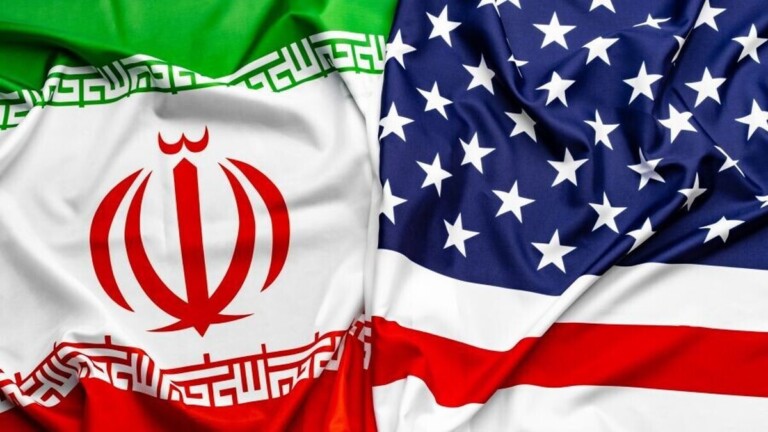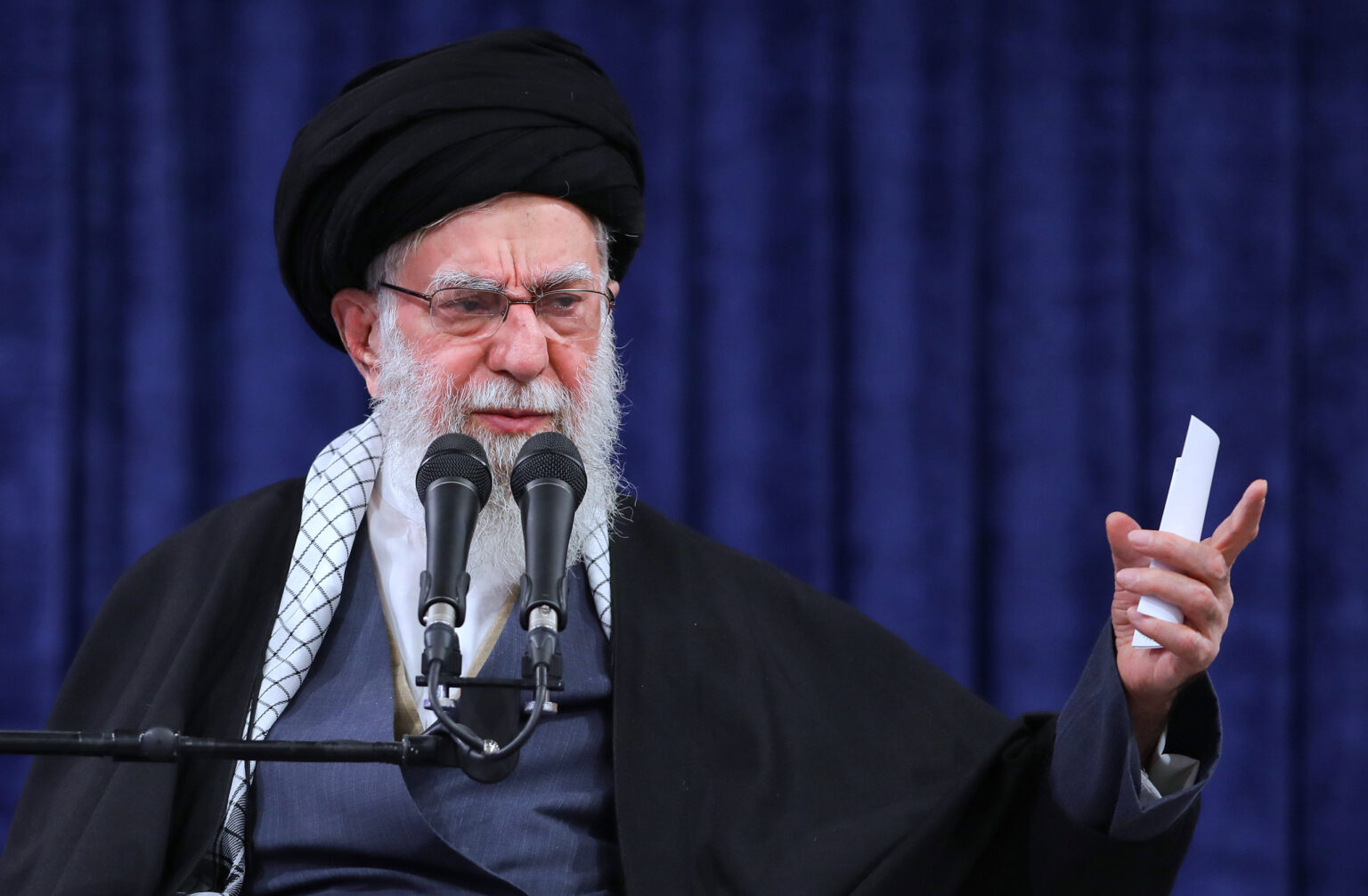
In a statement released this Saturday, Israeli Prime Minister Benjamin Netanyahu stated that it is “highly likely” that Ali Khamenei, the Supreme Leader of the Islamic Republic of Iran, is no longer alive following joint military strikes conducted Friday and Saturday by Israel and the United States against Iranian targets. According to Israeli Channel 12 television, this scenario is based on intelligence assessments indicating that Khamenei was killed or seriously injured during the initial bombardment salvos. The channel reported that there are “increasing signs” of his death, although these reports have not been confirmed.
On the Iranian side, Foreign Minister Abbas Araghchi stated that, “to his knowledge”, Khamenei is still alive, while state media expect a pre-recorded speech from the Supreme Leader to be broadcast soon, indicating that an announcement could be made on official airwaves.
Operational context and ongoing conflict
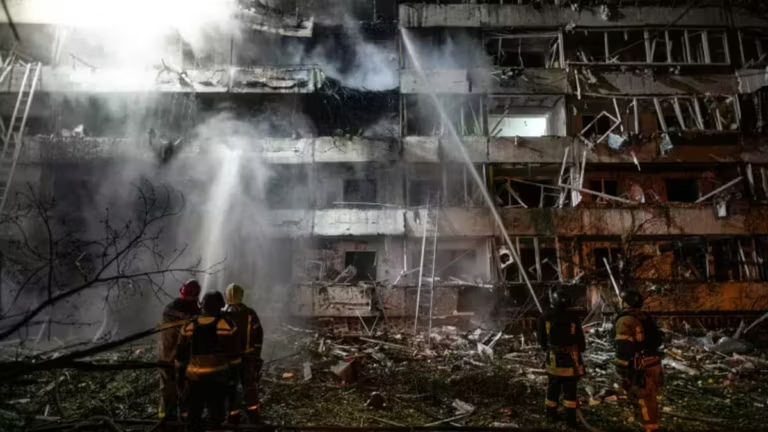
These statements come amid an escalation after Israeli and American forces launched a coordinated bombing targeting command centers, military infrastructure, and Iranian political leaders in several major cities, including Tehran, Isfahan, and Kermanshah, in response to what Washington and Tel Aviv officials describe as an existential threat posed by the Iranian regime. The strikes also targeted other senior officials and military installations. The operation triggered Iranian retaliations in the form of drone and missile attacks against American and Israeli positions in the region.
Historical precedents of Iranian regime communication
If events follow the historical communication patterns of the Iranian government, as was the case after the death of Ruhollah Khomeini in 1989, the official announcement could be delayed until prime time on state television, accompanied by Qur’an recitations and mourning programs before or alongside the announcement itself. At the time of Khomeini’s death, the information was communicated in a very structured and solemn manner through official media. Similarly, upon the death of President Ebrahim Raisi in 2024, authorities waited until the next morning to publicly confirm the news, with dedicated media programming.
This approach reflects a well-established practice of the regime to manage important announcements concerning its top leaders, favoring a ritualistic and controlled framework to communicate with the population.