

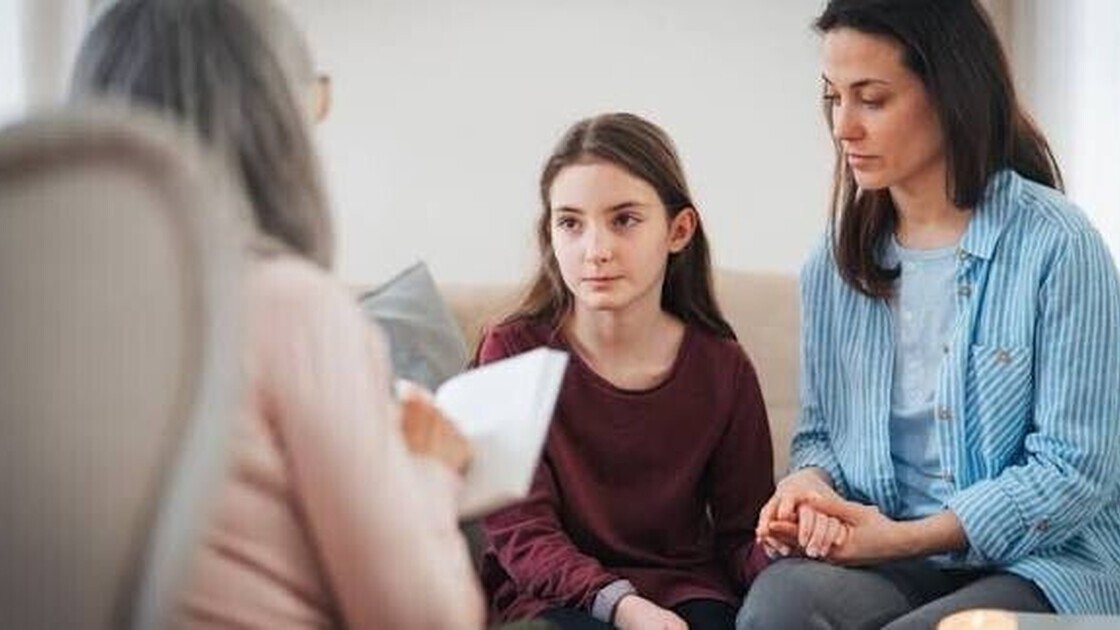
The mental health of young people in France is a growing concern. According to a new report published this Tuesday, November 17, by UNICEF France , 35% of the children and adolescents surveyed reported at least one significant mental health difficulty. The survey, conducted among more than 23,000 young people, highlights the impact of violence, precarious living conditions, and a lack of support on their well-being.
The mental health of children and adolescents appears particularly fragile in the seventh UNICEF France National Consultation . More than 23,000 young people aged 3 to 18 participated in this survey, which reveals that 35% of respondents experience at least one significant mental health difficulty. For 22% of them, these difficulties have concrete consequences on their daily lives. The results also show significant disparities depending on personal and family circumstances. Among children and adolescents reporting a disability or chronic illness, 41% experience significant mental health difficulties. Young people who fear their family will lack money are also more exposed to disorders that impact their daily lives.
The report particularly highlights the consequences of violence experienced during childhood. Among the adolescents who answered the relevant questions, 46% reported having been insulted or humiliated by an adult in their household, and 39% stated that they had been hit, slapped, or spanked. The data collected also shows that certain traumatic experiences are strongly associated with a decline in psychological well-being. According to UNICEF, each additional negative experience during childhood increases the risk of significant mental health difficulties affecting daily life by approximately 54%. The organization therefore emphasizes the crucial role of the family environment, safety, and living conditions in children's development.
Access to healthcare remains difficult for many young people.
Beyond the psychological difficulties themselves, the survey highlights the obstacles children and adolescents face in accessing help. Nearly 90% of respondents identified at least one barrier to consulting a mental health professional, including cost or geographical distance. Lack of support is also a contributing factor. Young people experiencing mental health difficulties that impact their daily lives are more likely to report having no one to turn to. The situation appears particularly concerning for children in the care of child protection institutions, some of whom report significant isolation. For UNICEF, prevention cannot be limited to medical consultations: it must also be based on listening, protection against violence, and support within families and schools.
In light of these findings, UNICEF France is calling on public authorities to make children's mental health a long-term priority. The organization specifically recommends combating poverty, strengthening violence prevention, and ensuring more equitable access to professionals and support services. It also emphasizes the need to better incorporate young people's voices into decisions that affect them. These conclusions come as mental health has been redesignated as a major national cause in 2026. The report concludes by reiterating that psychological difficulties are not solely a matter of individual circumstances: they are closely linked to the conditions in which children grow up. For associations and healthcare professionals, the challenge now lies in identifying situations of distress earlier and ensuring that every young person receives appropriate support.








Respond to the article
Be the first to comment on this article.